It’s been almost a decade since I headed to Millmerran and Western Creek with Roger to try and find the internment camp where ‘Joe’, Nonno Anni and many other Italian men were held in 1942. Back then, hardly anyone knew of the camp, either authorities or locals, and to find its location I was relying on my grandfather’s memories from decades before and scant information I’d been able to garner. For those who’ve read, Joe’s Fruit Shop and Milk Bar, you may recall I stopped at a spot out at Western Creek largely on a ‘feeling’. It seems absurd, I know, and hardly scientific. However, since then, more research and investigating has been done by others to locate the camp site and I can hardly believe it but the spot I had a feeling about ended up being the exact right location. So wonderful to discover this (and a bit spooky too perhaps!)

Clockwise from top left: Location of the internment camp Western Creek, the memorial stone, internees in 1942 (Nonno Anni standing on right), with Cec at the crossroads near the camp, Nonno Anni there in 1964 and the possible spot now, Western Creek, at the memorial stone, red dot marks the spot. And centre: Roger at the galley cook area find, and how it would’ve looked based on a similar one from the era still standing.
The second discovery we made was while walking around and deeper into the site, this time in search for where Nonno Anni had his photo taken when he returned there in 1964. I’m not convinced we found exactly where he stood, even though there was a stump where the other tree behind him had been, but nearby, we made a new discovery, the concrete slab where the crude, galley cooking area of corrugated iron had been. Again, by chance.
To return to this location, now confirmed, on the 80th anniversary that the internment camp was there, felt very special. I’d been invited to speak at an event for this back in May but it was cancelled due to rain and I felt sad in not being able to honour the internees that day. I’d vowed to still return to the site anyway when I could, just quietly, and I picked some nearby wildflowers (and weeds – but pretty!) and left them at the memorial stone that now marks the site.
It was lovely to share this moment with both Roger and also Cecil Gibson, born and of Millmerran and Western Creek for all of his 86 years. While others later became involved, for which I’m very thankful, Cec deserves special mention because he was the first local to pick up on this hidden history after reading about it in, Joe’s Fruit Shop and Milk Bar, and to contact me. He remained focussed on honouring the history both at the site and the Millmerran Museum, even when much seemed against him at times.
The first internment camps in Australia were established under the Menzies government in 1940 and most of these were full by the time the war really ramped up in 1942 and the ‘overflow’ of ‘enemy aliens’ were interned in unofficial and secret camps in isolated state forest and bushland. Canada apologised to its Italian-Canadian WW2 internees in 2021 and the U.S.A. has introduced a Bill towards doing so, though to date has only issued an apology to Japanese-American internees, while the United Kingdom remains silent. Overall, Australia remains silent too except for the state of South Australia who in 2012 acknowledged the wrongful internment of Italian civilians during World War II and called for a federal apology. Sadly, most Italian-Australian internees are no longer able to receive an apology. That doesn’t mean it’s not important also for their descendants though and all those others who care deeply for their local history.
The opportunity to write about this internment camp and what happened to Italian-Australians in the 20th century is the most important part of what I’m fortunate to do. And I don’t think the people of Millmerran were given enough credit with the camp being kept secret from them for so long. All of those I’ve spoken to from the area have had nothing but respect, acceptance and the will to help preserve this history and for that I’ll always be grateful. Zoë x
Thank you if you read until the very end! 😊 I just couldn’t skimp on this one. 💛 xx
Joe’s Fruit Shop and Milk Bar
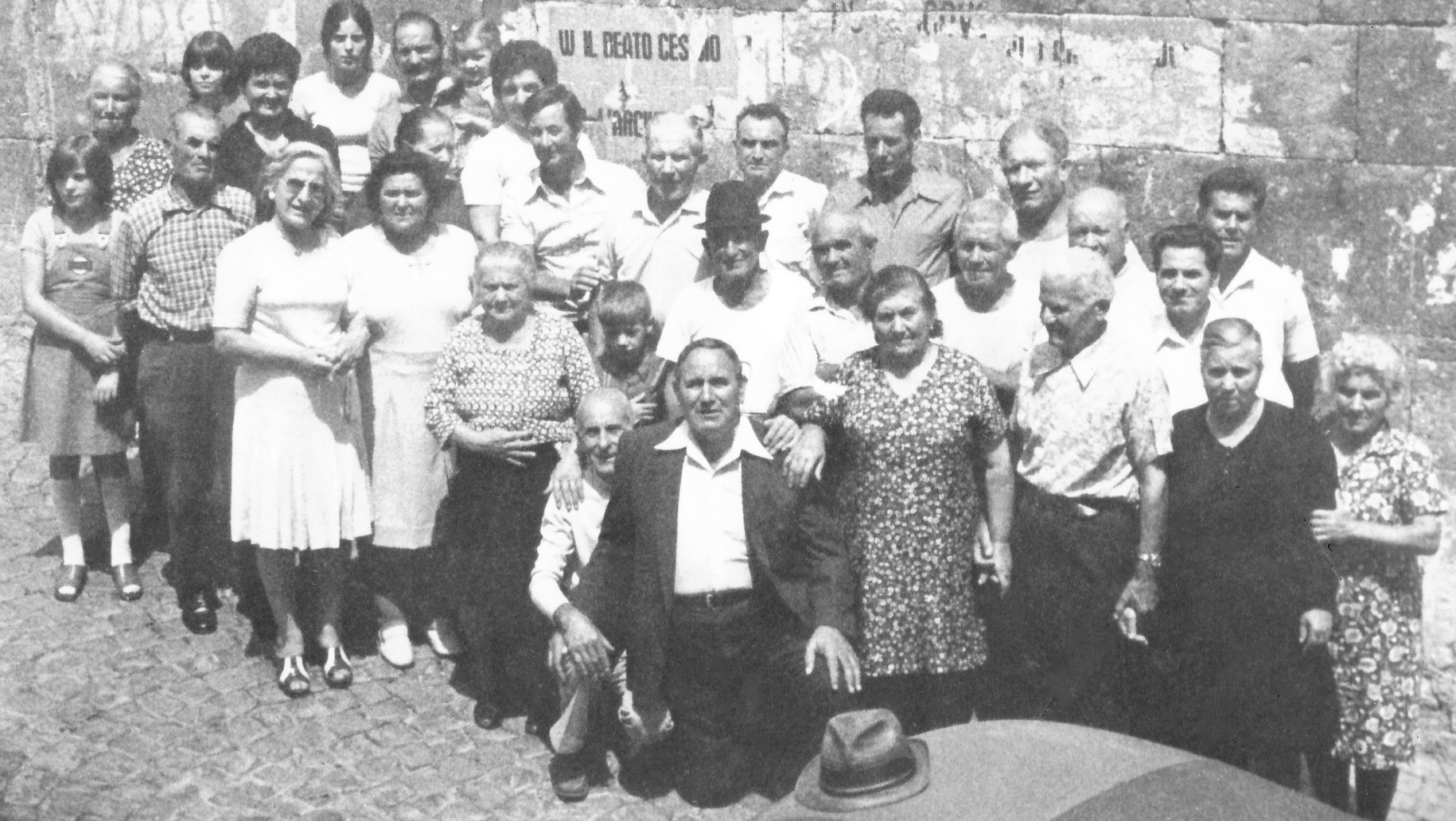
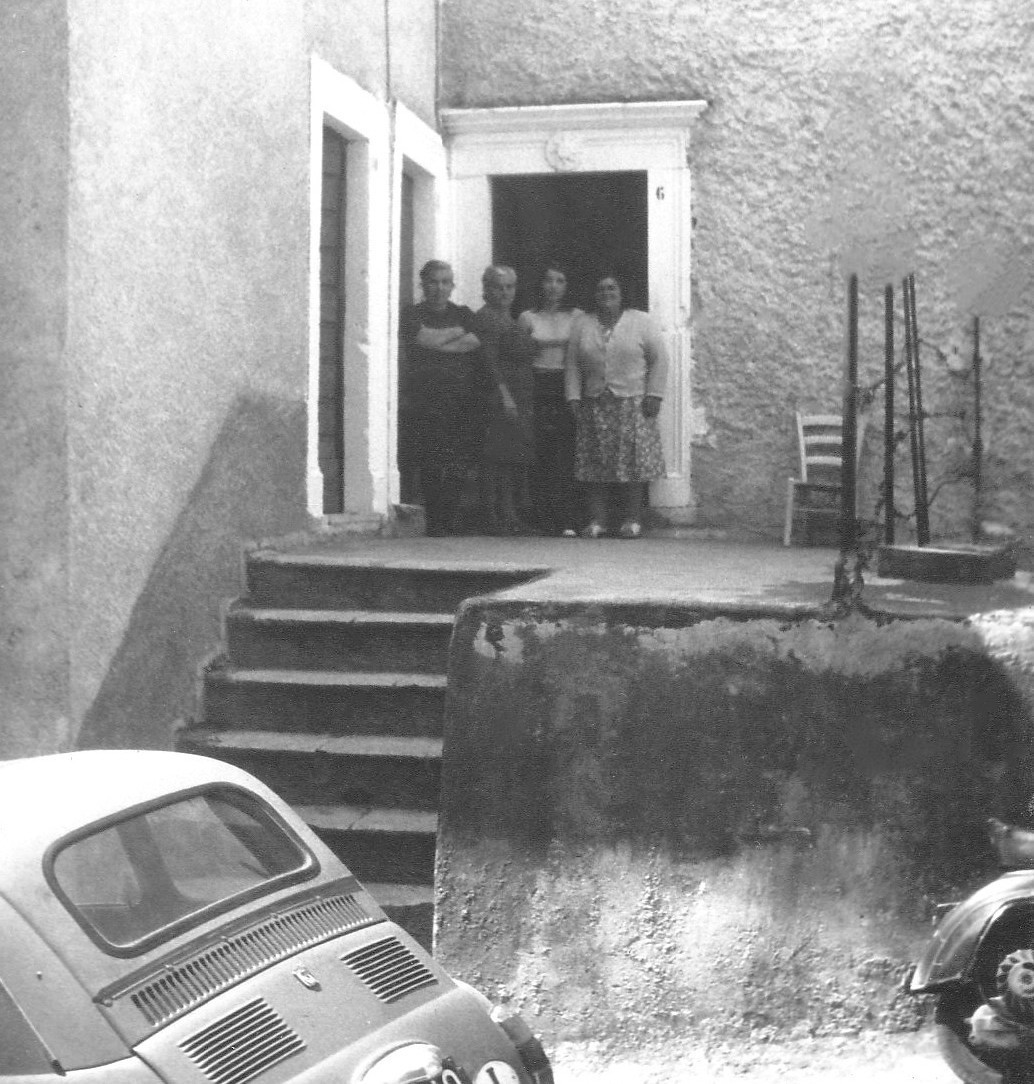 Nanna Francesca and ‘posse’ outside the Fossa house in 1975 (including Pierina, far left, Nonno Anni’s cousin, born the same year he was, who lived in his family’s house after they’d migrated to Australia).
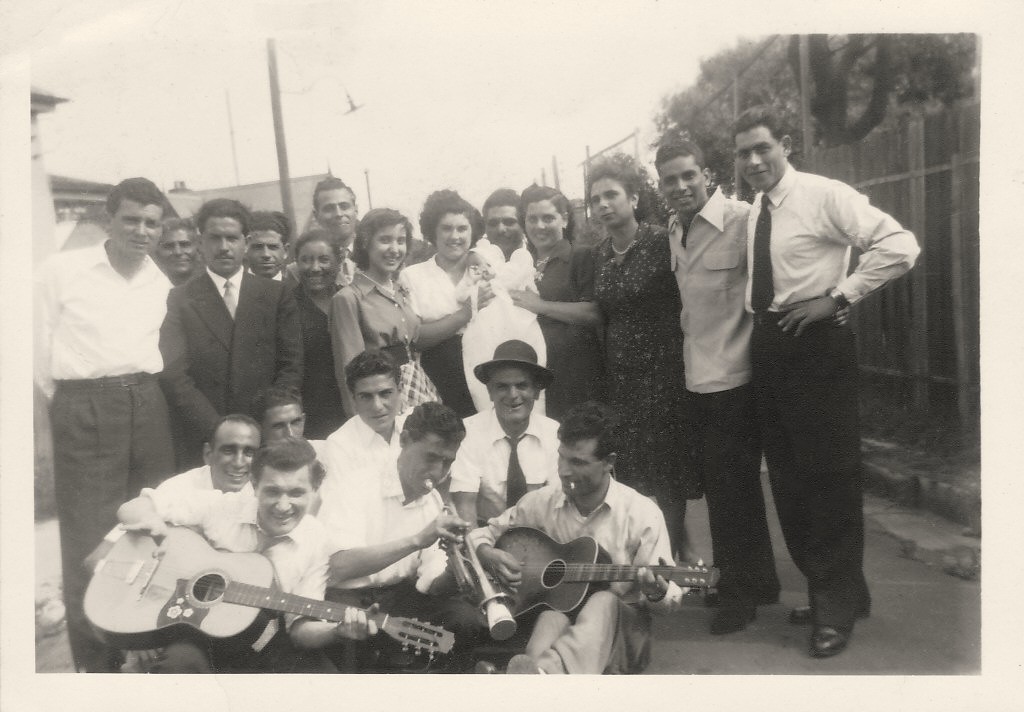 I found this lovely photo of Nanna Francesca’s Sydney cousins and friends tucked in with a letter sent to her in Brisbane in the 1950s. The way news was shared of a new baby and baptism celebration back when it wasn’t common to hop on plane (and who could afford to take time off from work anyway).
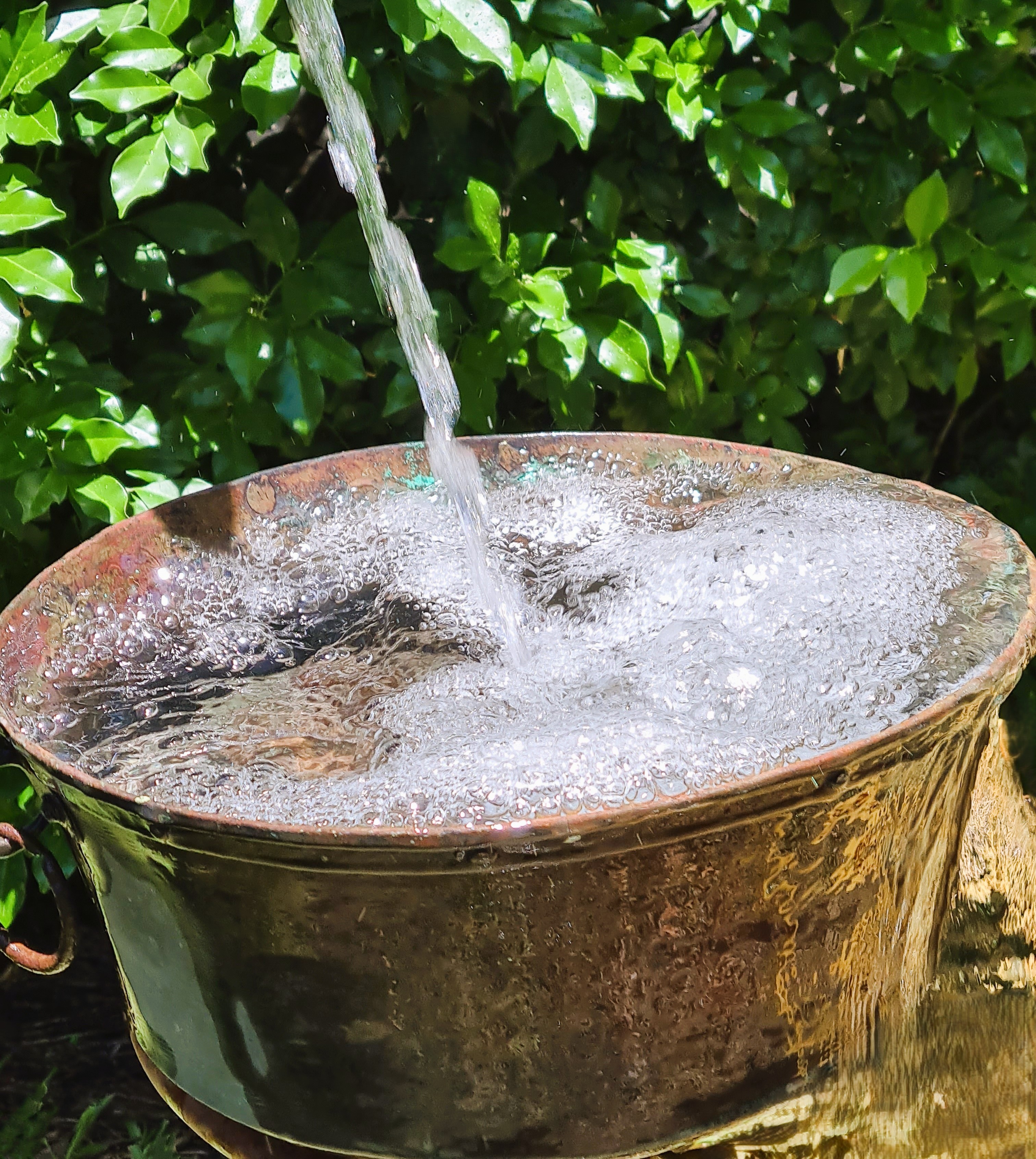 Years ago, when it wasn’t common to have running water at home in Abruzzo, on the first day of a new year, women would go to the village fountain to collect clean water in their copper conca or basin and take it to friends and neighbours as a gift.
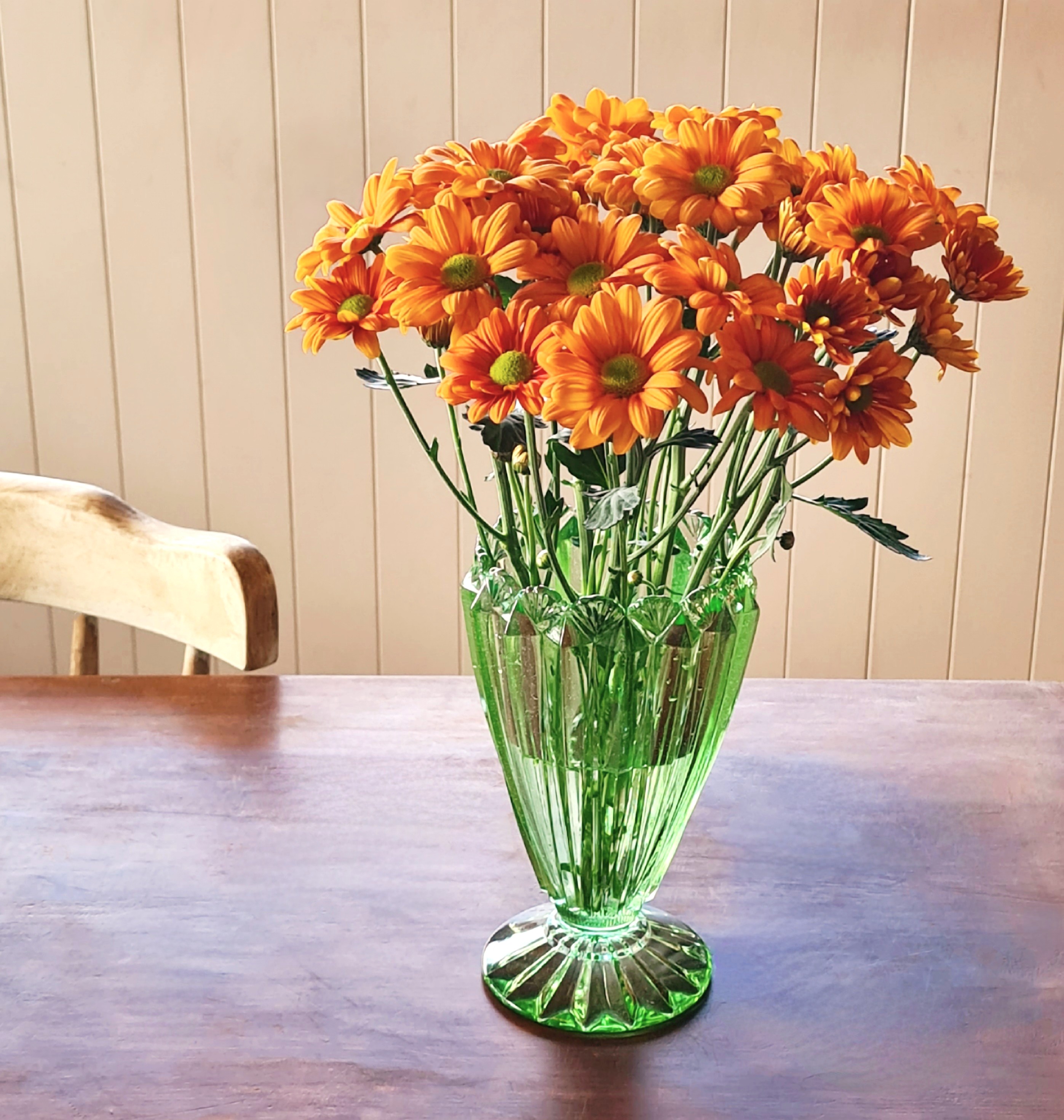 On the kitchen table today… chrysanthemums. I don’t usually buy flowers at Christmas but when I saw these at the fruit shop – the last bunch and a bit heat weary – I couldn’t bear them possibly being tossed out. They seem such a cheery colour and sometimes a little cheer can be just the thing.

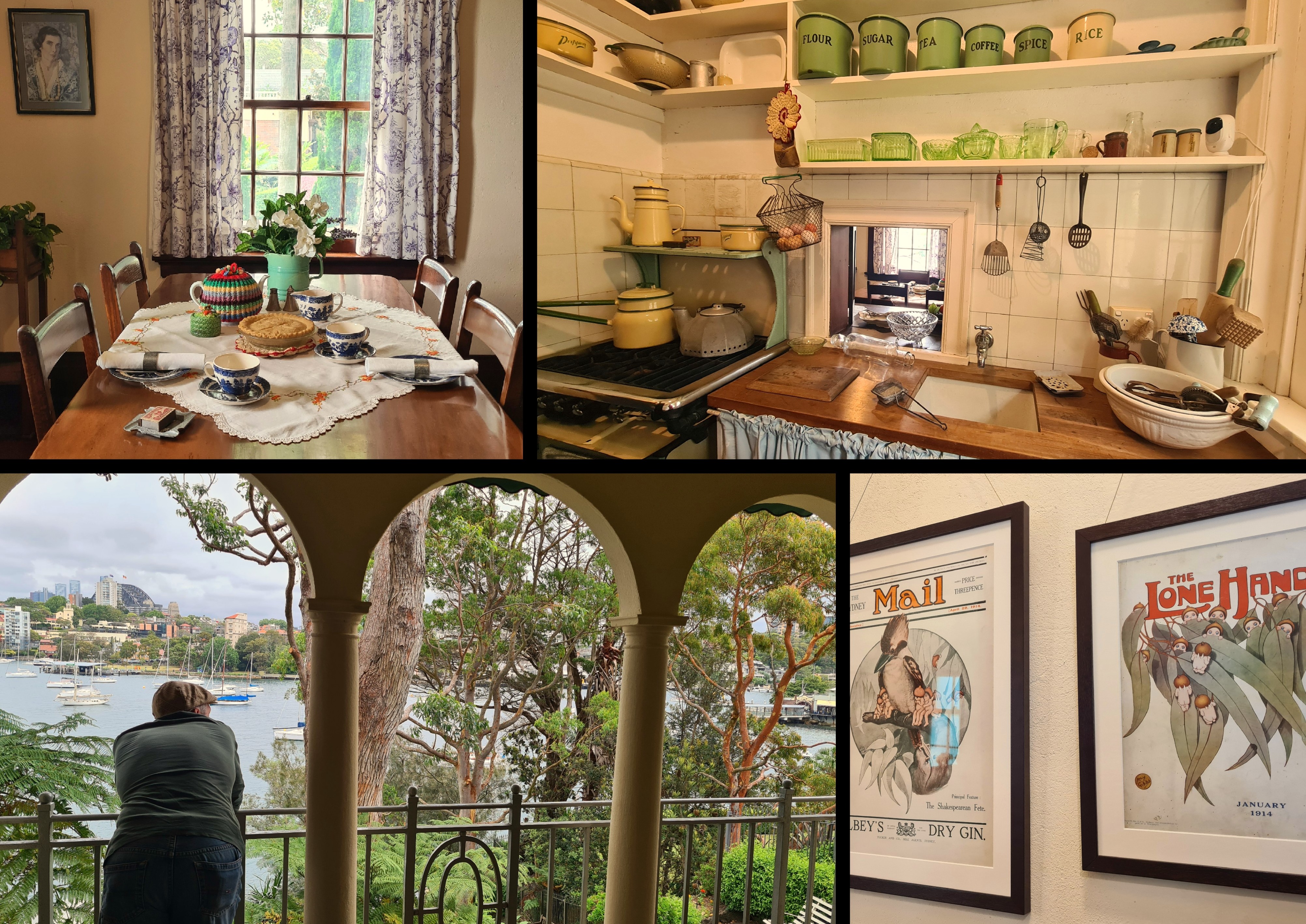
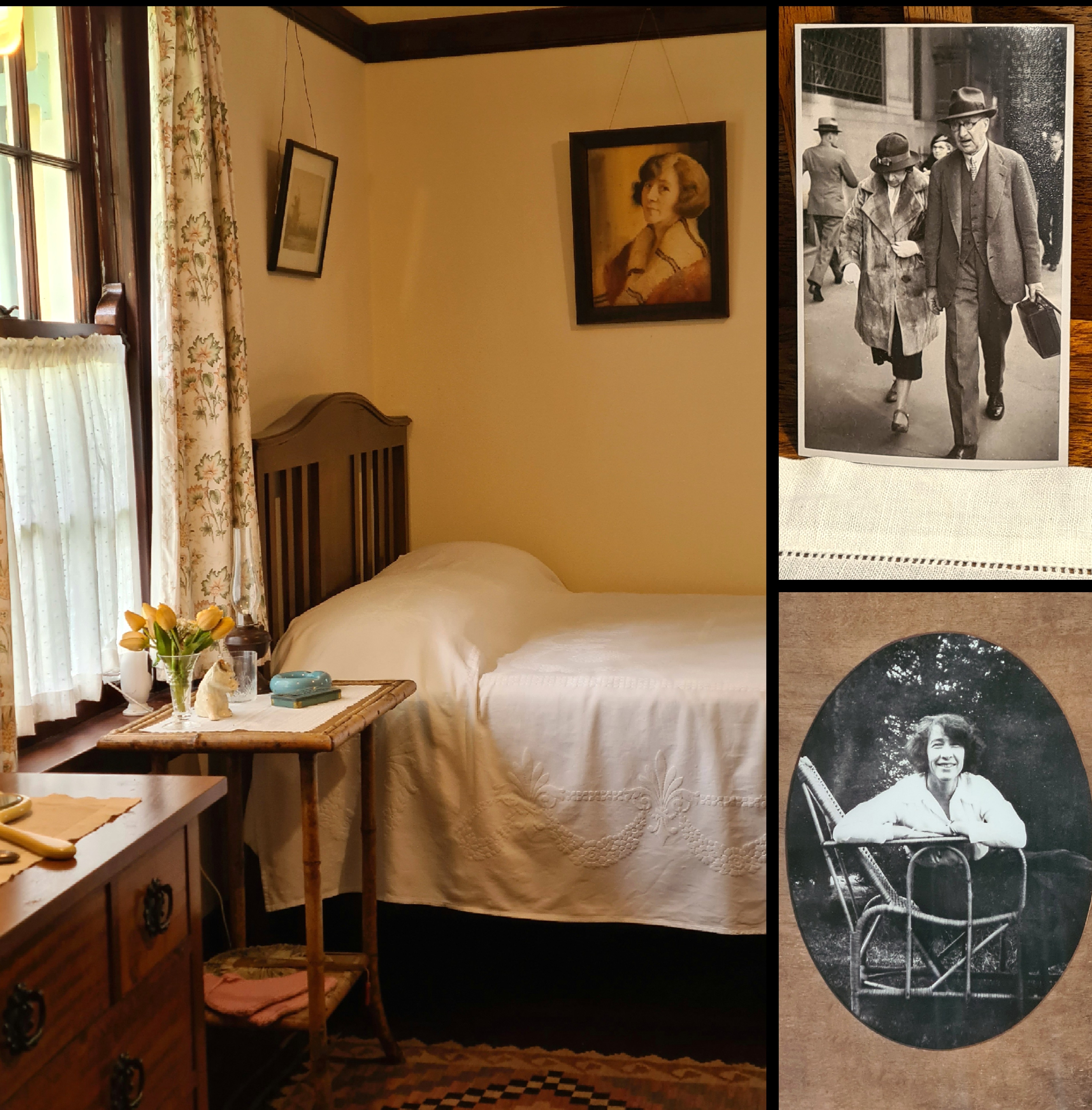
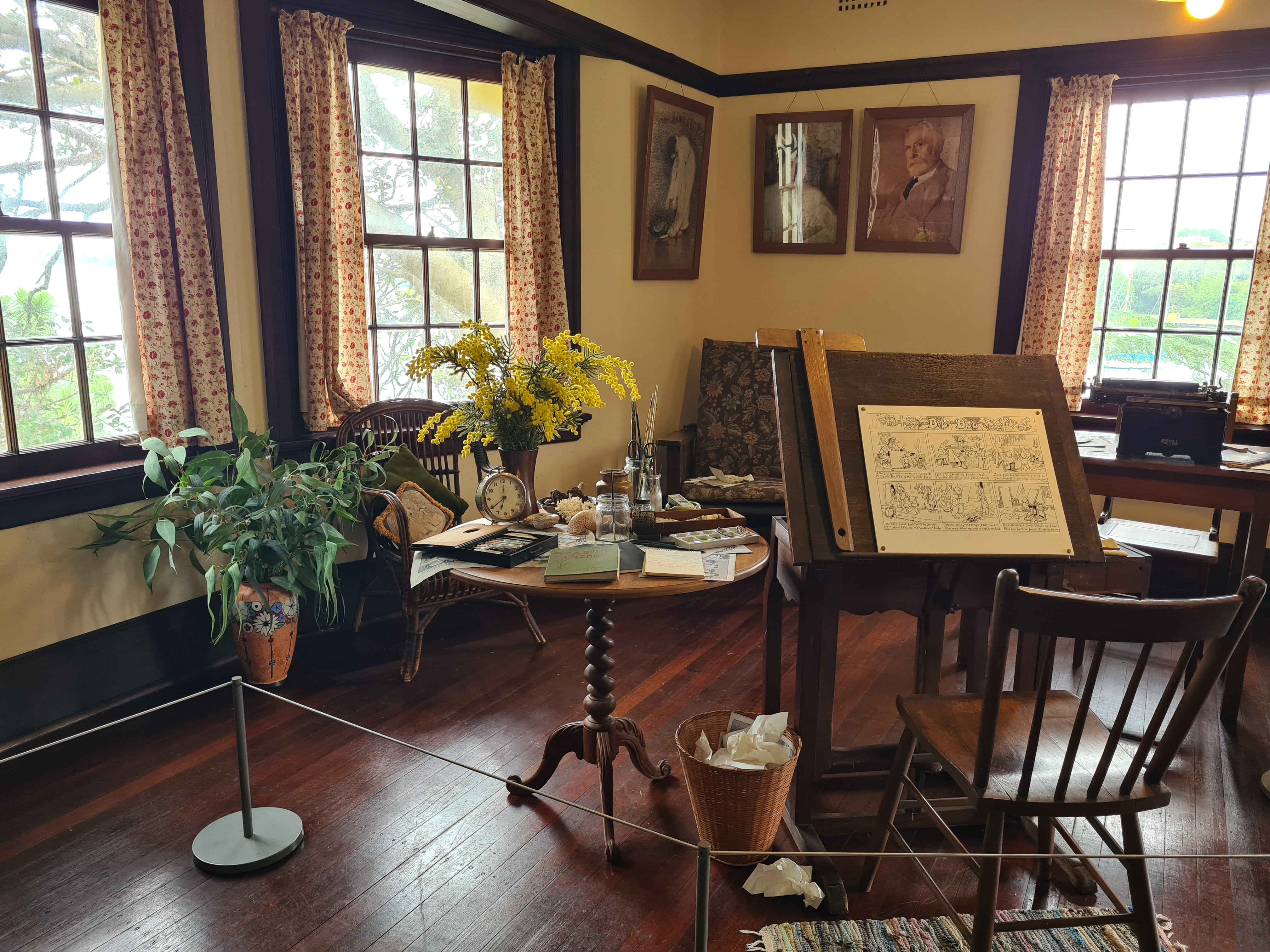
 A short trip away… part work, part break and collecting stories from people and places to bring together the final strands of the next book that I’m now back at my desk to finish off.
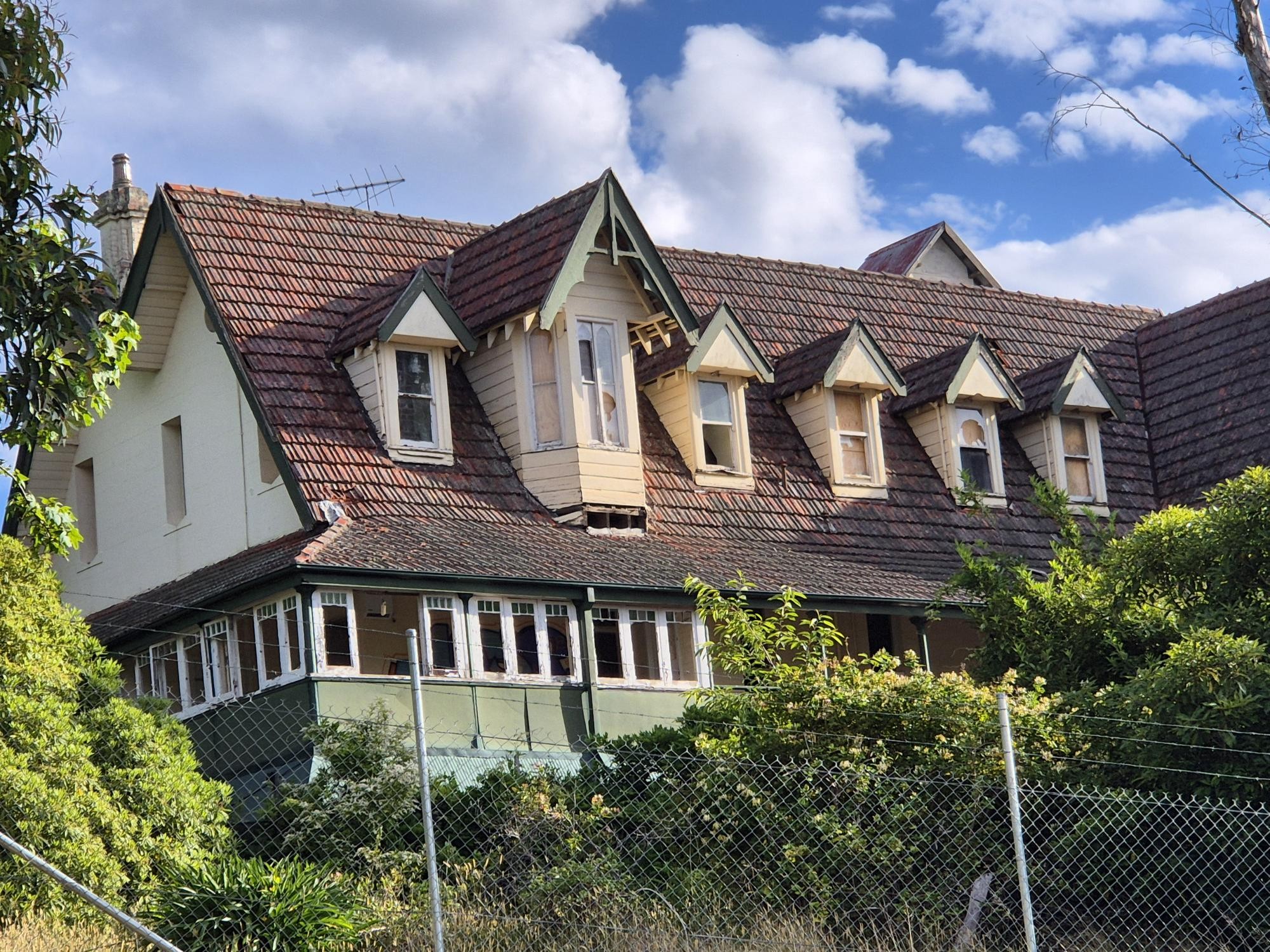 It was melancholy to see the grand, old guesthouses of the Blue Mountains, once the darling of honeymooners and holidaymakers, now empty, their glass broken or burnt out within, as the years have passed. (This one at Leura was, The Ritz built in 1892 as ‘a coffee palace with accommodation’.)
 It’s Capetièmpe in Abruzzo – that special time of year from all hallows eve for about twelve days when the kitchen table is laden with delicious food from harvest time and places set for both the living and the dead. When there are candles and bonfires of endings and renewal, picnics in cemeteries and masked children go to each house collecting treats from the laden tables to share with their poorer families.
 The spring daisies are out at present in the garden 🌼🤍🐝 and they’ll forever remind me of Nanna Francesca and the daisy bush in her Brunswick Street front yard that she often asked me to stand next to for a photo. (There were actually daisies on this little green dress Grandma Lorna had sewn for me but they’re little hard to see as Nanna Francesca’s photos could be a bit ‘hit and miss’ and blurry if she pushed the camera button too hard!)
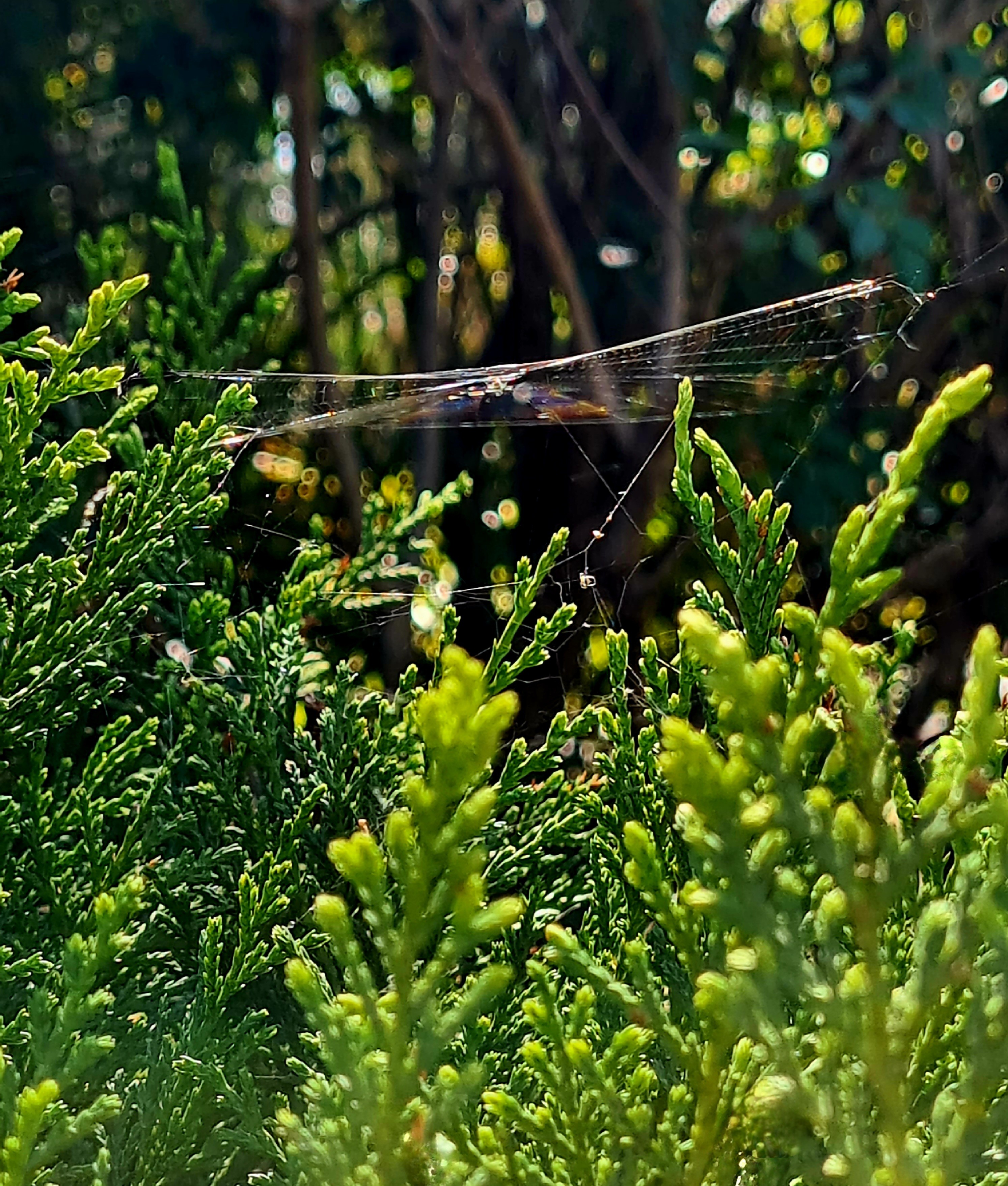 It’s taken months since Cyclone Alfred (in March) to see spiders in my garden again. I’m so pleased they’re back! It’s funny but the older I get, the more I find myself by chance doing things my nonni did, like taking more notice of what’s going on in the garden.
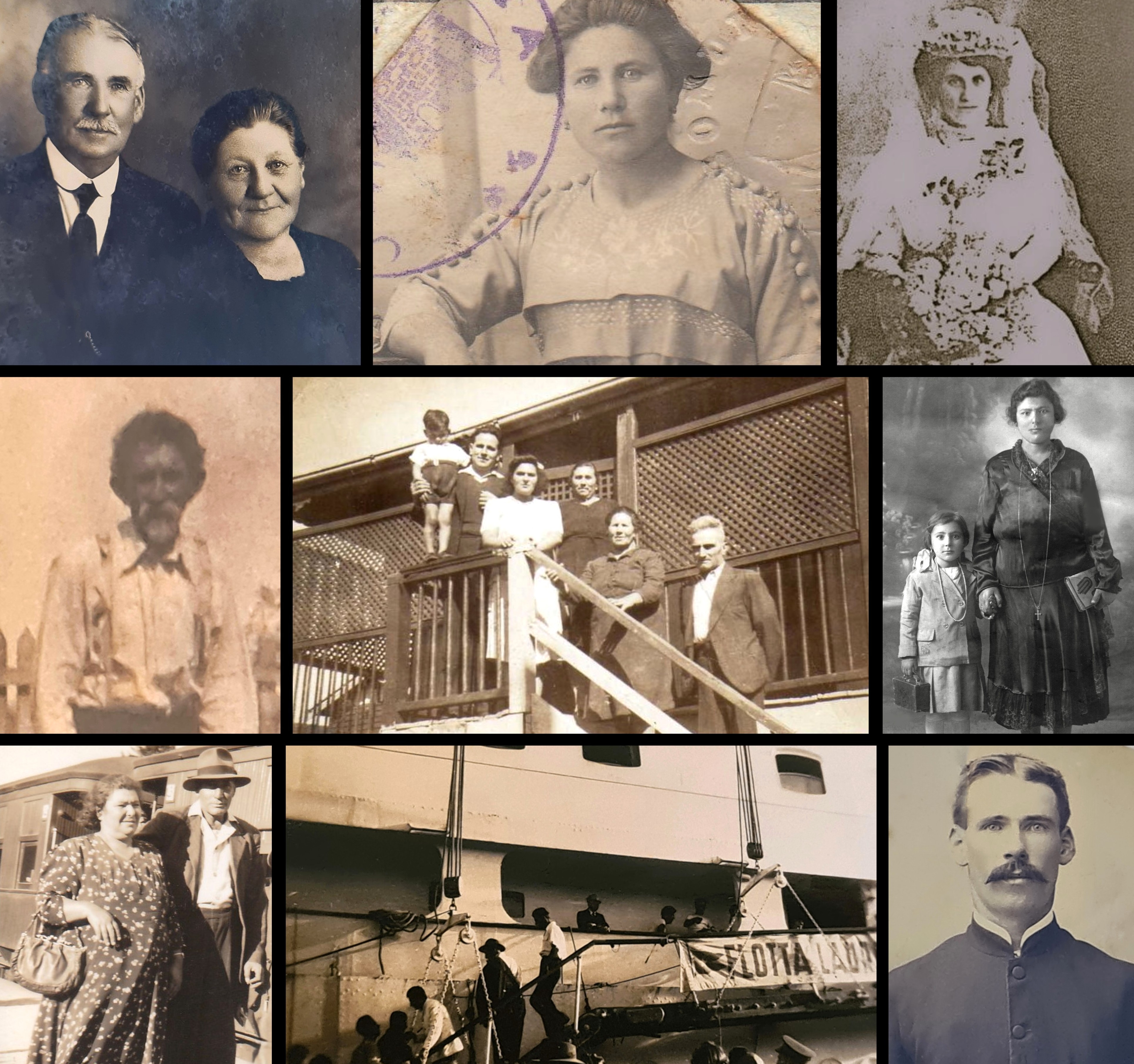 Whether it be from my past books or as I continue learning of and writing new stories for the next book, one thing that keeps showing itself over and again is that migration has many stories and different faces, even just in my own family –
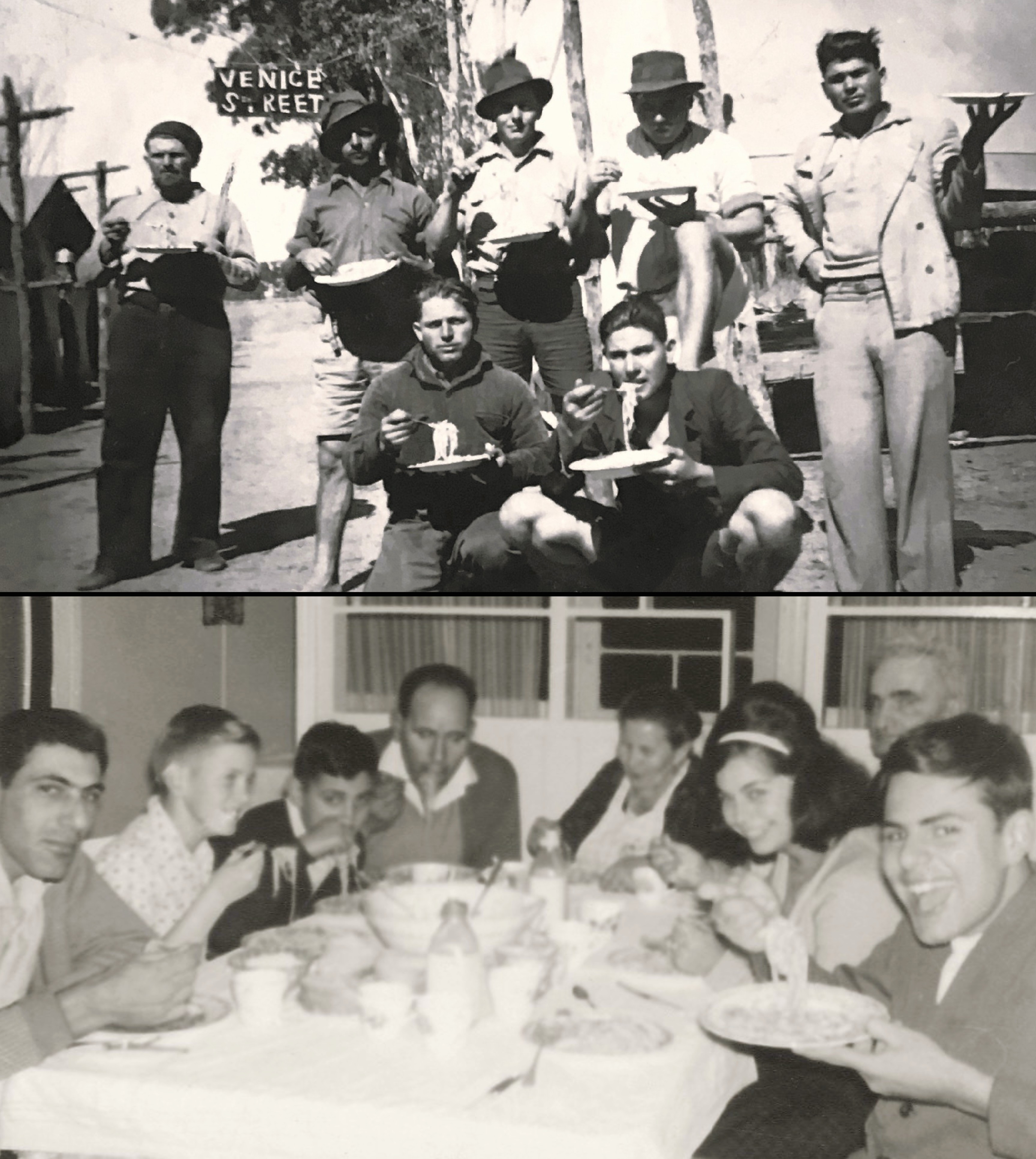 An incredible thing happened recently… I’m working on the next book, in particular, a part of it that’s an update on the internment camp Nonno Anni was in, when out-of-the-blue, I’m contacted by someone whose father was in the same camp. (The secret camp authorities said never existed, though any of us who had family in there know that’s not true.)
 The wedding bonbonniere trinkets in Nanna Francesca’s ‘good’ cabinet were out-of-bounds when I was a kid. Though I’d look at them through the glass, some still with the teeth-cracking sugared almonds – confetti, as they’re called in Italy – that represent ‘health, happiness, wealth, luck and fertility’.
 On the kitchen table today… Peruvian lilies bringing bright happiness with their pretty colours (that seem made for these vases!)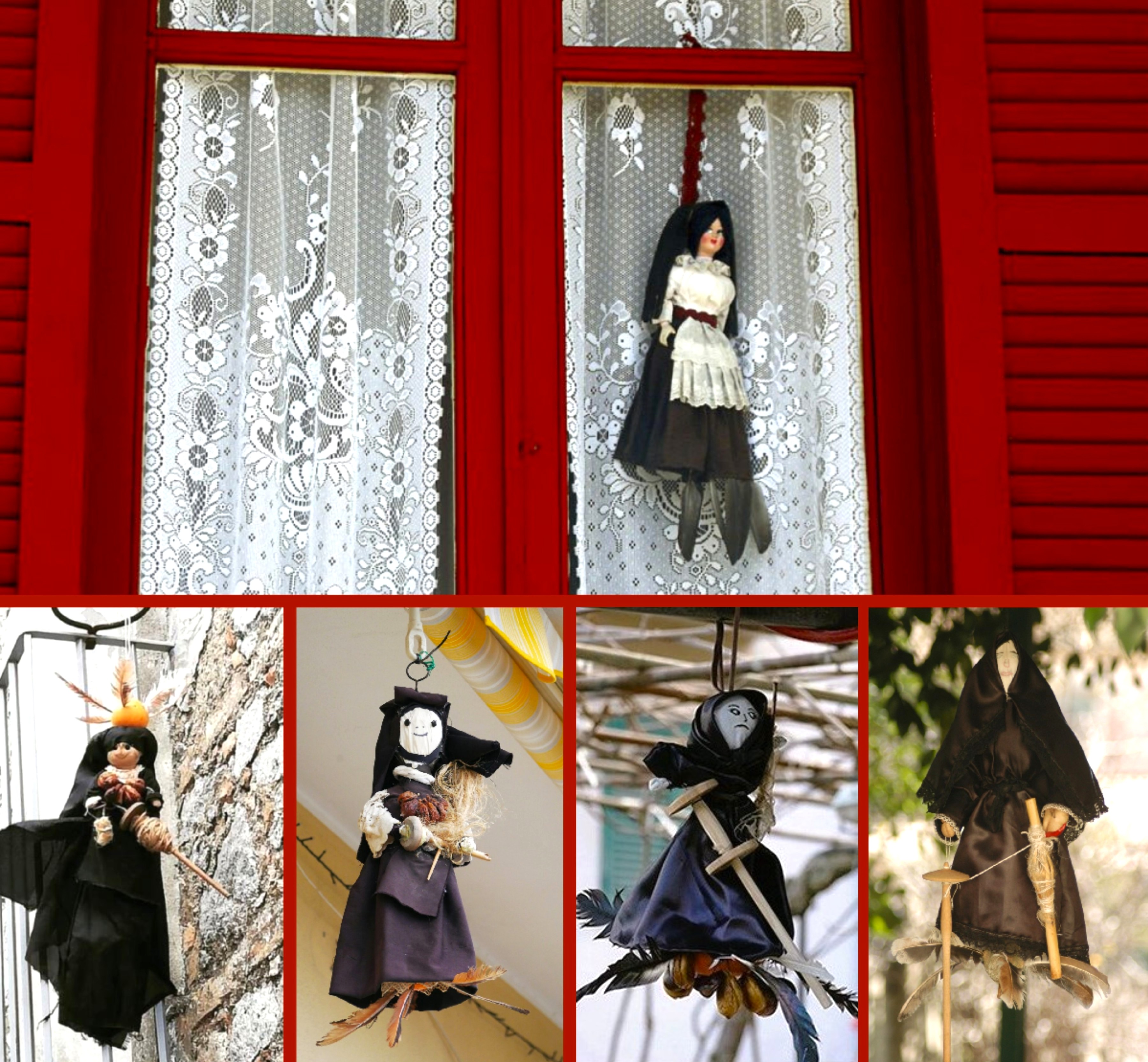
 It’s fifty years this year since Nanna Francesca and Nonno Anni took their ‘big trip’ overseas. And what a trip it was – to several countries in Europe and the UK as well as America. It was also the first holiday they treated themselves to after decades working in their fruit shop and milk bar every day from 7am until 10 or 11pm, with only Easter and Christmas days off.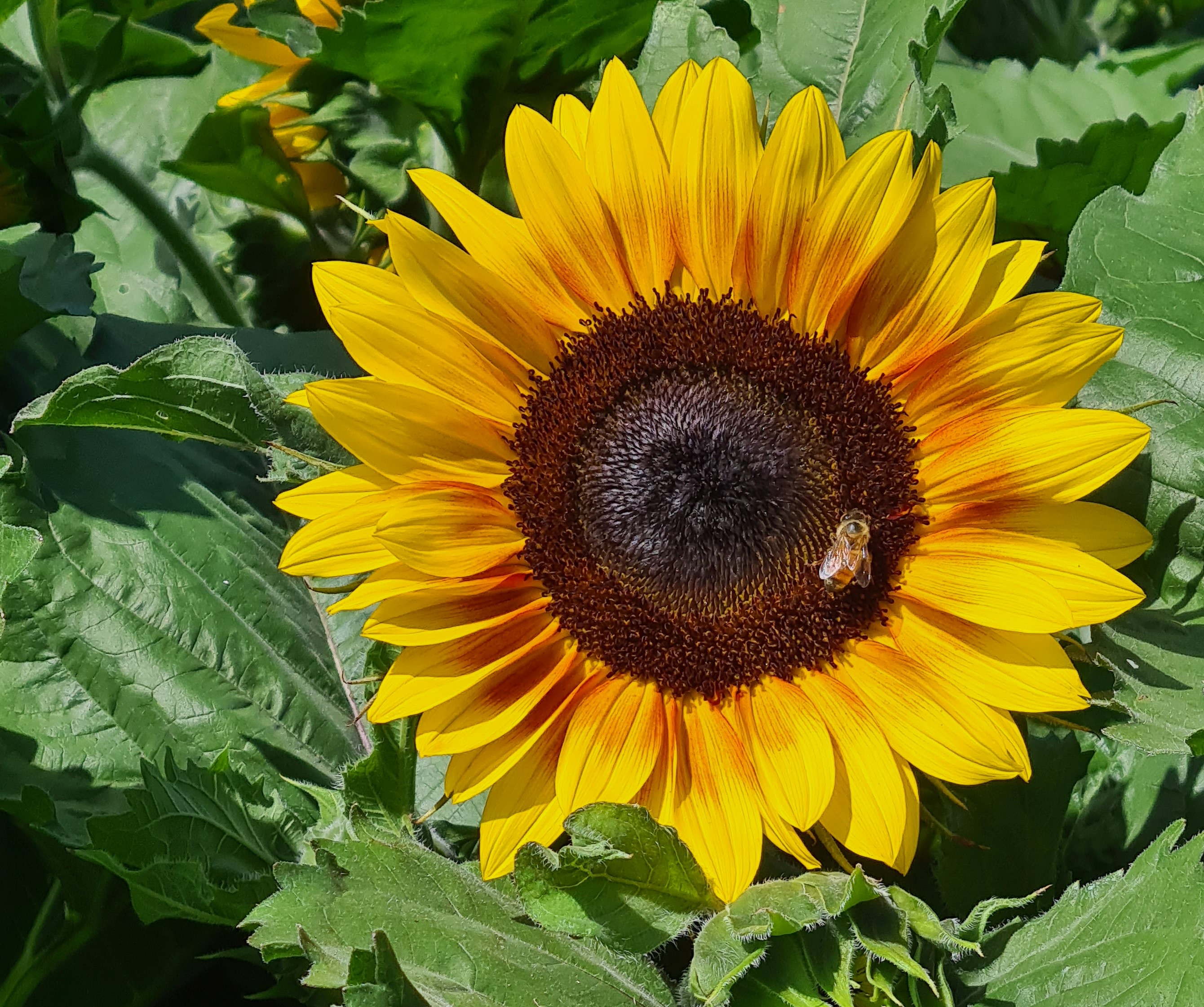

 Hello everyone, ciao tutti! Wishing you all a very happy Christmas and new year! Thank you for joining me here this past year. 💛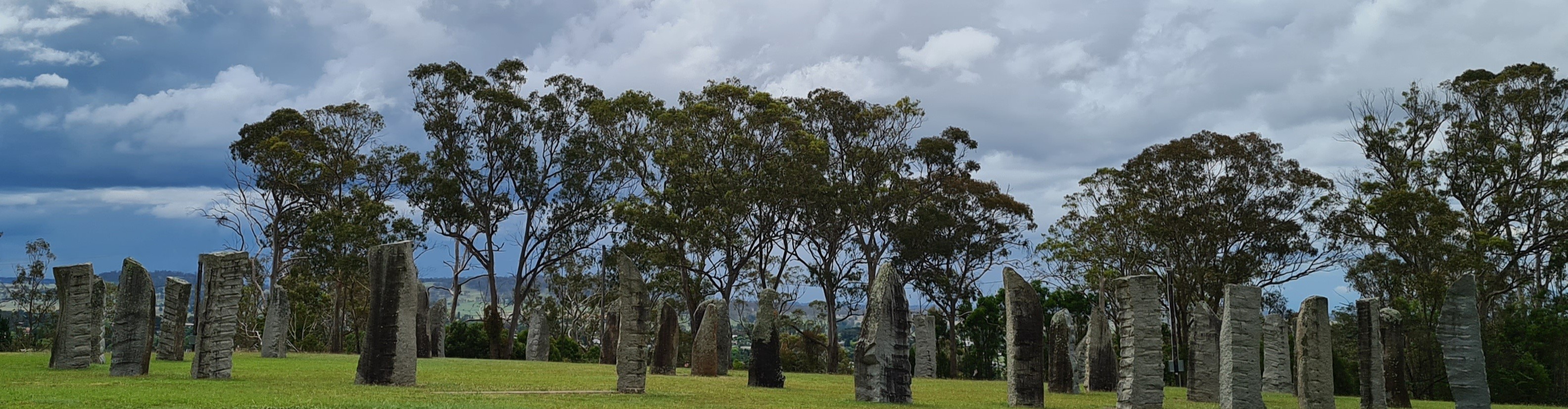
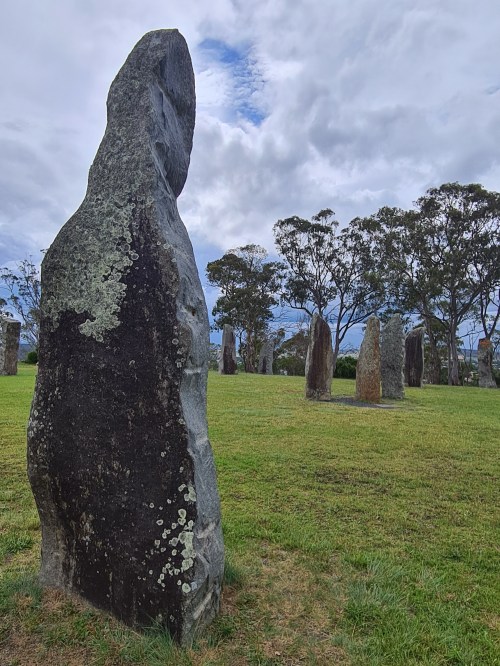 By chance, I also happened to visit these standing stones at the change of season from spring to summer and at the time of the Scottish St Andrew’s day. While I’m half Italian, I’m also about a quarter Scottish from Mum’s side and at times like this, that marked variance in cultures can feel jarring and I don’t feel I quite ‘belong’. Yet, knowing there’s standing stones in both Scotland and Italy and more recently in Australia too, somehow bridges this in a small way, also offering a link to those ancient peoples of different places.

 I’ve been ‘hunkered down’ working on the next book but so you still know I’m here, 😊 I thought I’d delve into the old photo box to see what might be nice to share and this one caught my eye. Mainly because of the wattage in Nanna Francesca’s smile. She looks so happy!
 On the kitchen table today… poppies! I happened to see these when I was getting groceries and couldn’t resist picking up a bunch. At once they made me think of being in Abruzzo in spring and seeing the hillsides covered in these flowers growing wild.
 Would you book a trip with this travel guide?! 😄 It’s the 1970s, I’m about six, tooth missing and have been raiding the ‘dress up box’ again. (Dad had these posters for his Italian night class he taught.) Who’d have thought I’d end up in Calabria myself one day seeing Nanna Francesca’s birth town or that I’d even write about it.
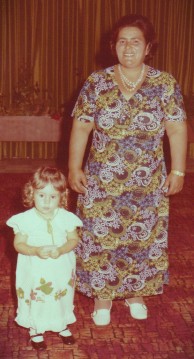 A photo taken with Nanna Francesca at my first big Italian wedding in the 1970s. (The reception venue of the day complete with champagne glass tower, doves, smoke machine and parquetry dance floor to slide across later on!)
 It is fifteen years since the 6.3-magnitude earthquake that struck Abruzzo at 3.32am on 6 April 2009, taking the lives of 309 people and leaving 70,000 homeless in around fifty-six towns. My heart is with those who lost so much… the victims, their loved ones, all those who were displaced, the many still working hard to recover and rebuild in the long years following.
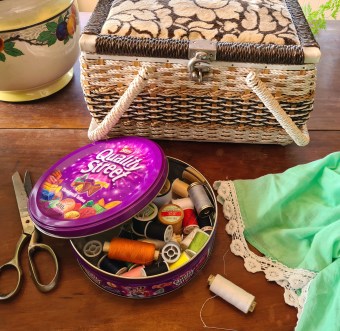 Mending… so out comes the sewing box Nanna Francesca gave me for my 8th birthday. I can’t tell you how disappointed I was to receive this as a present at that age, though I put on a happy face so not to hurt her feelings. Afterwards, I told Mum she could have it and the sewing box sat in her linen press for years. Yet, once I moved into my own house, I went and retrieved it and it has stayed with me.
 In 1974, Nonno Anni and Nanna Francesca received a knock at the front door by two policemen warning them a big flood was coming and the power was about to be cut off…
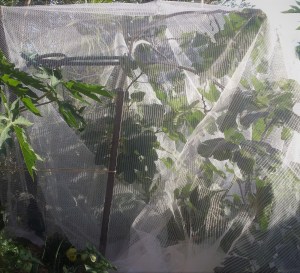
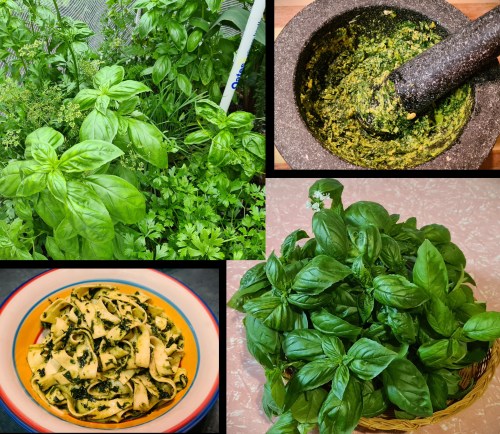 Left to themselves, the basil and parsley I planted when summer began have been relishing the rain and heat and are on a rampage to take over the vegie patch in the backyard. No fertiliser or pesticides, just tucked under the protection of netting propped up by an old mop handle (a nod to Nonno Anni!)


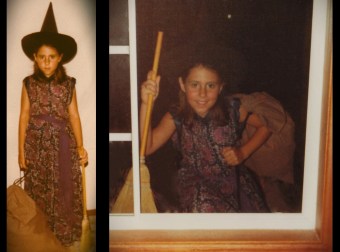 Tonight is Epiphany Eve and in Italy many children will be waiting to see what they receive from La Befana, ‘the witch’ – sweets if they’ve been good, coal if they’ve been naughty. As I wrote in, Mezza Italiana, I was chosen as La Befana for my school play, being ‘an Italian kid’, and as you can see from the first photo, I wasn’t too thrilled about it! 😄 Although, I’d warmed up to the idea by the second photo when I got to climb through a window. (As you can also see, being summer, I’m already a bit burnt from swimming at the local pool!)
 A part of my Italian-Australian life in two photos… the first one – Nanna Francesca (centre) taking her visiting cousins from Sydney to Qld’s Big Pineapple. To me, there’s something about seeing these three Italian migrant women standing in front of something so Australian, knowing how my nonna loved going there and knowing how it was a world away from their stone villages in Italy. Nanna Francesca brought me back an enormous Big Pineapple pencil with a pineapple on the end of it. I was about five (and still have it!) She also bought herself a Big Pineapple tea-towel and salt and pepper shakers.
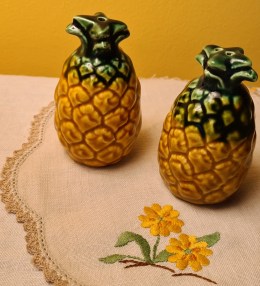 These shakers – in the second photo – sat, never used, behind glass in her ‘good’ cabinet, for decades. Then, after my grandparents had both died and the family was packing up their house of more than fifty years, I found myself standing in front of this cabinet looking at those two pineapples. Yes, they were kitschy but I couldn’t let them end up lost, so now they sit on a bookshelf in my kitchen, a little reminder of Nanna Francesca that makes me smile.
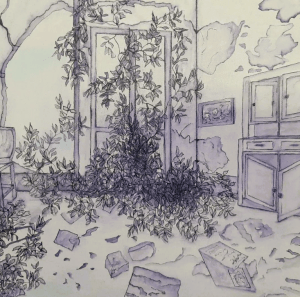
 This artwork is called, Nature Thriving by Gianna Fallavollita and if you look closely, you’ll see it is a front door in Fossa, which has been a ghost town since the 2009 Abruzzo earthquake. I have to say, it evokes many different emotions to see the town where my ancestors lived over more than six centuries, now gradually being taken over by nature, forever entwined with Monte Circolo on which it sits.
 Gianna, whose parents are from Abruzzo and who has a strong connection to her own Italian heritage, contacted me to tell me how much Mezza Italiana resonated with her and I was so touched and thrilled when she said this has also inspired her to create a series of artworks depicting my family’s town of Fossa in, ‘Where the Wild Things Thrive’, a group exhibition currently on display until Sunday 26th November, 2023 at Back2Back Gallery, 57 Bull Street, Cooks Hill, Newcastle.
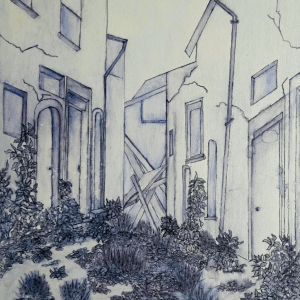 My deepest thanks to you, Gianna, and for your beautiful art. I hope so too. I’m still heartbroken about what happened to Fossa and many other beautiful towns in Abruzzo after the earthquake. Particularly that it will soon be 15 years, in April, that most residents have been unable to return to their homes in Fossa. Some of these houses, like my family’s one, which I wrote about in Mezza Italiana, have belonged to the same families for hundreds of years.
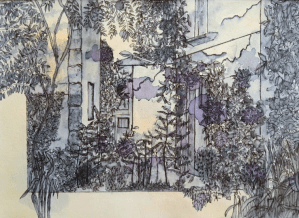 I’ve long had a love of art and it feels particularly special to discover my writing may in some small way have played a part in some of Gianna Fallavollita’s artworks. I hope that together these may convey how natural disasters continue to affect a place and its inhabitants long after the media reports have faded away.
 Nonno Anni and Grandpa Bob would’ve both turned 100 this month. I’m forever grateful to have had these two men in my life. They were there for all my significant life events, birthdays, graduations, wedding day, and, more especially, there for so much of my ‘everyday’ life as I spent many weekends and every school holidays with each of them for decades. I know I’m so, so fortunate to have been given their unconditional love, gentle guidance, care and wisdoms. They could both be very tough men at times and I received nothing but respect and love from them. I still think of them a lot and at challenging and uncertain times I think back to their ways and what they might do or advise. I’ll be writing more about each of them as they both remain an inspiration to me ❤️ – for now, I think what I wrote on page 112 of Joe’s Fruit Shop and Milk Bar, pretty well sums them up…
 A quiet Sunday, Brisbane, 1954, out front of the fruit shop and milk bar… when cousin Tony came to visit from Melbourne and everyone met there for photos since, at this time, Nonno Anni kept it open from 7am until 10pm, 363 days a year.
 In recent weeks, I’ve had some unexpected serious health news with a bit of a cancer scare. It’s all happened quite swiftly and following numerous tests, I’ve had abdominal surgery, been in hospital and am now back at home in what I’m told will be a six-week recovery. I’m extremely relieved and grateful to say that it was caught in time, I am in the clear and recovering well so far.
 On the kitchen table… fennel flowers, their little blossoms like star bursts with a slight scent of liquorice, honey and lemon. I came across some fresh fennel bulbs at the market about a month ago but life has taken over for a bit since then! These fennel were irresistible in their curviness. (Male fennel are slimmer, the female fennel more rounded and sweeter – said to be ‘like the many beautiful, curvy women of the Mediterranean shores these plants are indigenous to’!) 😘
 It’s taken me until aged fifty, to build and light a fire for the first time. Curiously, until now, it’s just so happened that the men in my life did this task. Whether it was Dad’s big, brick barbecue in the backyard (built by one of Nonno Anni’s Italian mates). The guys among friends building a bonfire on the beach. Or Roger taking care of the fire if we stayed somewhere cold that had a lovely fireplace. For whatever reasons, including living mostly in a subtropical climate, it just didn’t come about to light a fire myself.
 This old photo is pretty faded and scratched but the main reason I chose to share it with you on Mother’s Day is that it’s a rare one showing together in a row three generations of women in my family who were mothers to me – Mum, Nanna Francesca and Great-Granny Maddalena.
 On the kitchen table today… stripey carnations that take me back to Great-grandma Charlotte’s garden of her small house at Wynnum, where the breezes smelt like the sea (and the muddy flats if the tide was out). 😊
 Thinking of all those who’ve served or been affected by war. And on this ANZAC day I wish to give tribute to those women who did it very tough on farms during WW2 to feed Australians as well as Australian, British and US troops. They faced often hazardous working conditions and unfamiliar machinery, animosity, little ready money and also many of the agricultural chemicals of the time had later effects on the women’s health.
 Vale to my great-uncle, Vincenzo, Nanna Francesca’s brother, who she called, Vinchy. Some may recall I wrote about him in my first two books, especially Joe’s Fruit Shop and Milk Bar. To me, he was a quiet, gentle man for whom life was often difficult but he worked hard and was generous in giving lovely gifts with the little he had.
 I didn’t know this was a thing and didn’t expect to discover I’d become a ‘ghost sign hunter’ by seeking out these old signs in towns I’ve recently visited around central Victoria. But yes, apparently this is a form of ghost hunting that goes on throughout Australia (and no doubt other places too).
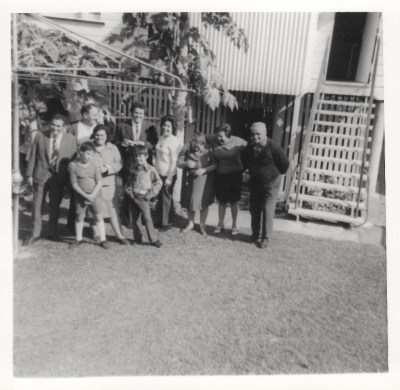 There’s so much I love about this photograph taken in the Brisbane backyard of Granny Maddalena and Nonno Vitale’s house… everyone under the Hills hoist, Granny bending over giggling, the woman’s arm around her. Nonno Anni looking over to see what they’re laughing at, Nanna Francesca always ready for the camera, holding the young boy who doesn’t look so keen to be in the photo.

 Thank you for joining me here throughout the year – for your wonderful interest in and support of my books and for sharing your own experiences and memories with me.
 Four generations of women in my family, 100 years and one significant change…
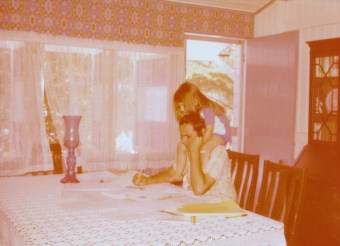 ‘Helping Dad’. 😄 (Got to love that 1970s wallpaper. And the Band-Aid on the knee!) Buona festa del papà. 💕 Warmest wishes on this Father’s Day to our fathers and grandfathers present and past, our father figures, those of us who’d hoped to be fathers and all who are caring for and protecting children. Grazie eterni, Dad. 💙 Zoe xx
 As well, it was really great to meet and chat to other authors from all different genres and backgrounds.
 Bisnonna Francesca… a companion post to the previous on Bisnonno Domenico. Likewise, I didn’t get to meet her yet each photo has a little to reveal and brings the past somewhat closer in that moment. A rare photo, circa 1930 (bottom right) shows Francesca in Palmi, Calabria with her mother, Soccorsa, the baker and her daughter (Nanna Francesca). The three who lived together for years after Domenico was in Australia. And then (top left), just Francesca and her daughter, soon to leave to join him in 1934. She and her mother had worked hard to help raise the ship fares, determined as she was to be reunited.
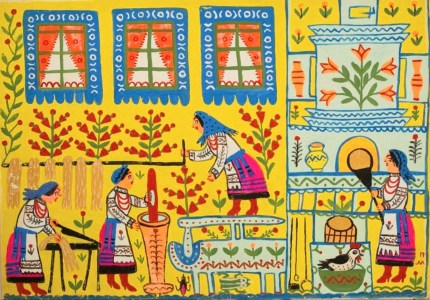 My House, My Truth, 1989 by Mariya Prymachenko (1909-1997). “My house, my truth… my mother did it all and gave me. She sewed, spun, baked bread and pounded millet.” Mariya Prymachenko.
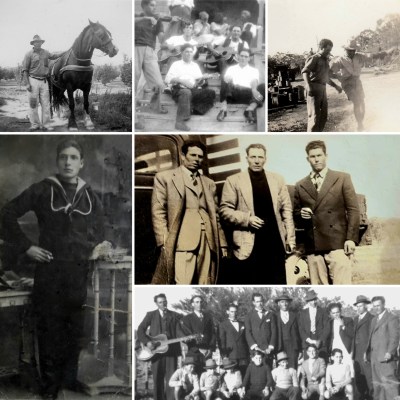 In his work clothes (top left), one knee patched, behind him his Applethorpe orchards on land he’d hand-cleared, long before he could afford the horse.

 On the kitchen table… a couple of pumpkins we bought from a farmer’s roadside ute near Esk. I love being able to buy straight from a farm ingredients that are in season at their peak and pumpkins even have autumn colours! These will help make many meals but my first thought was pumpkin and ricotta crespelle with crispy sage leaves and a little Parmigiano on top. (Luckily Roger is a fine maker of crespelle, crepes, or scrippelle as they’re called in Abruzzo.)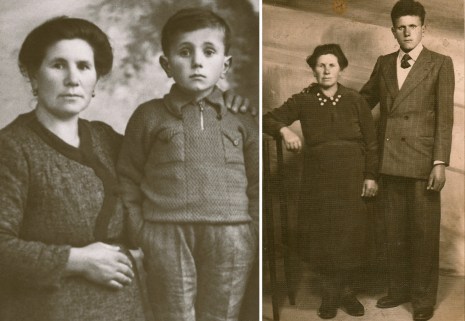
 Clockwise from top left… folk painting, ‘A Dove Has
  Minted in Australia during WW2 and officially referred to as tokens, the coins were struck in five denominations – penny, threepence, one, two and five shillings, which couldn’t be used or redeemed outside a camp. Some internees in various camps created their own currency including paper money but the Australian Department of Army distributed tokens such as this one for official camp use. (This penny was struck by R. Arendeen & Sons Pty Ltd in Malvern, Victoria. The coin dies now owned by the Royal Australian Mint.)
 It seems incredible it’s eighty years since March, 1942 when Annibale (Joe), aged only eighteen, saw dozens of Italian men picked up by police while working on farms around the Stanthorpe area. The only reason he wasn’t arrested on the spot too that day being his cheekily having fled from Ingham to avoid internment without notifying authorities of his change of address as required, but once they saw him among the others the game was up and he had to go in. How it must have felt to be taken away in the ‘internee special’ train not knowing where to, then driven around in army trucks for hours in the dead of night to confuse their whereabouts to end up in a camp seemingly in the middle of nowhere surrounded by bushland.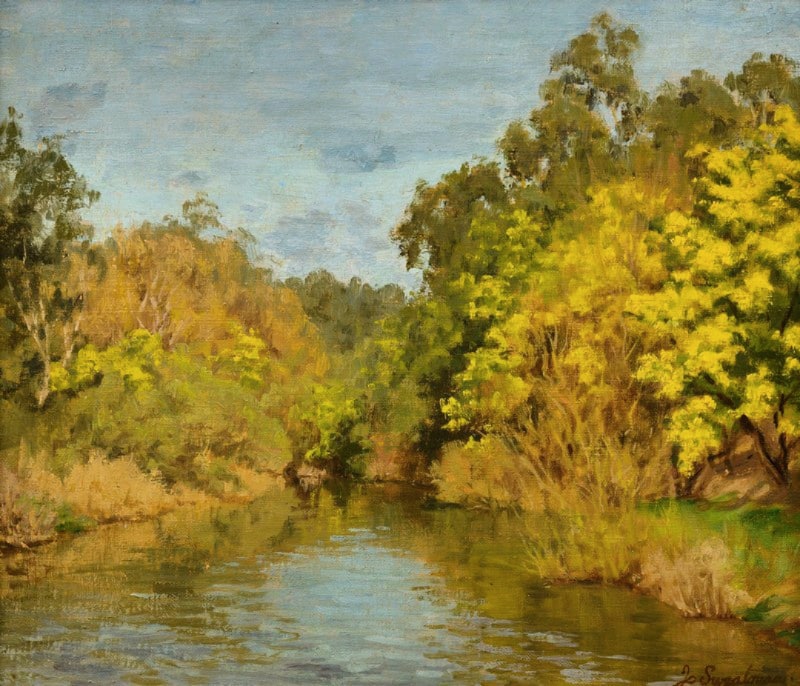
 Last Friday, I discovered this beautiful artwork by Ukrainian artist, Mariya Prymachenko (1909-1997) titled, ‘A Dove Has Spread Her Wings and Asks for Peace’, 1982. I’ve just found out that on Sunday, invading Russian forces burned down the museum that was home to dozens of Mariya’s paintings.
 Mariya painted these paintings when she was in her 70s. This one is titled, ‘Our Army, Our Protectors’, 1978. I can’t tell you how distressed I feel at what is happening in Ukraine and other parts of the world where aggression and injustice is being put above people, animals, nature, art, music, culture, food, peace – everything that makes our world such a beautiful place.
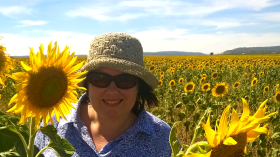 I stand in solidarity with the people of Ukraine. May they continue to stand tall, bright and independent like the sunflowers that are their national flower.
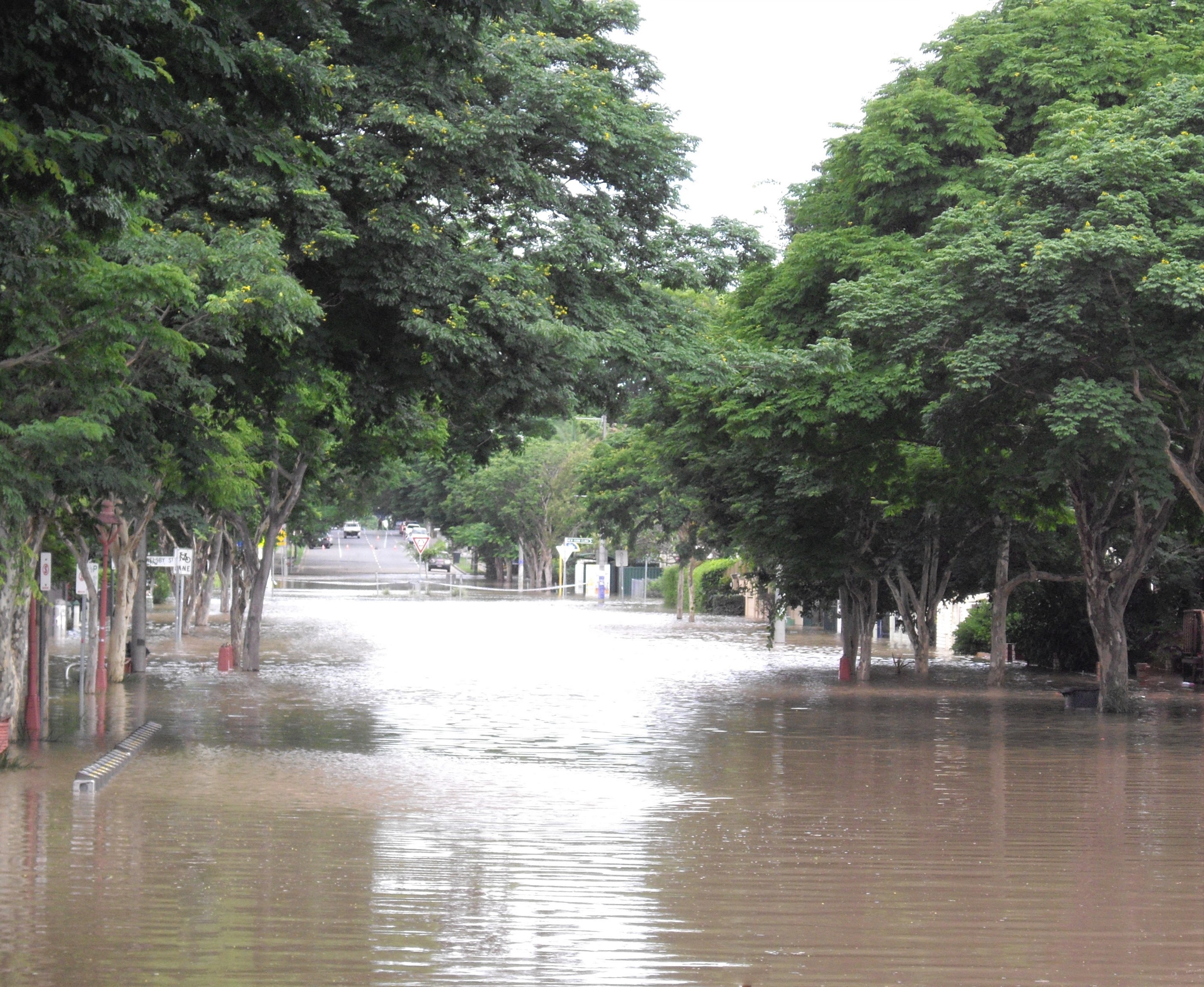
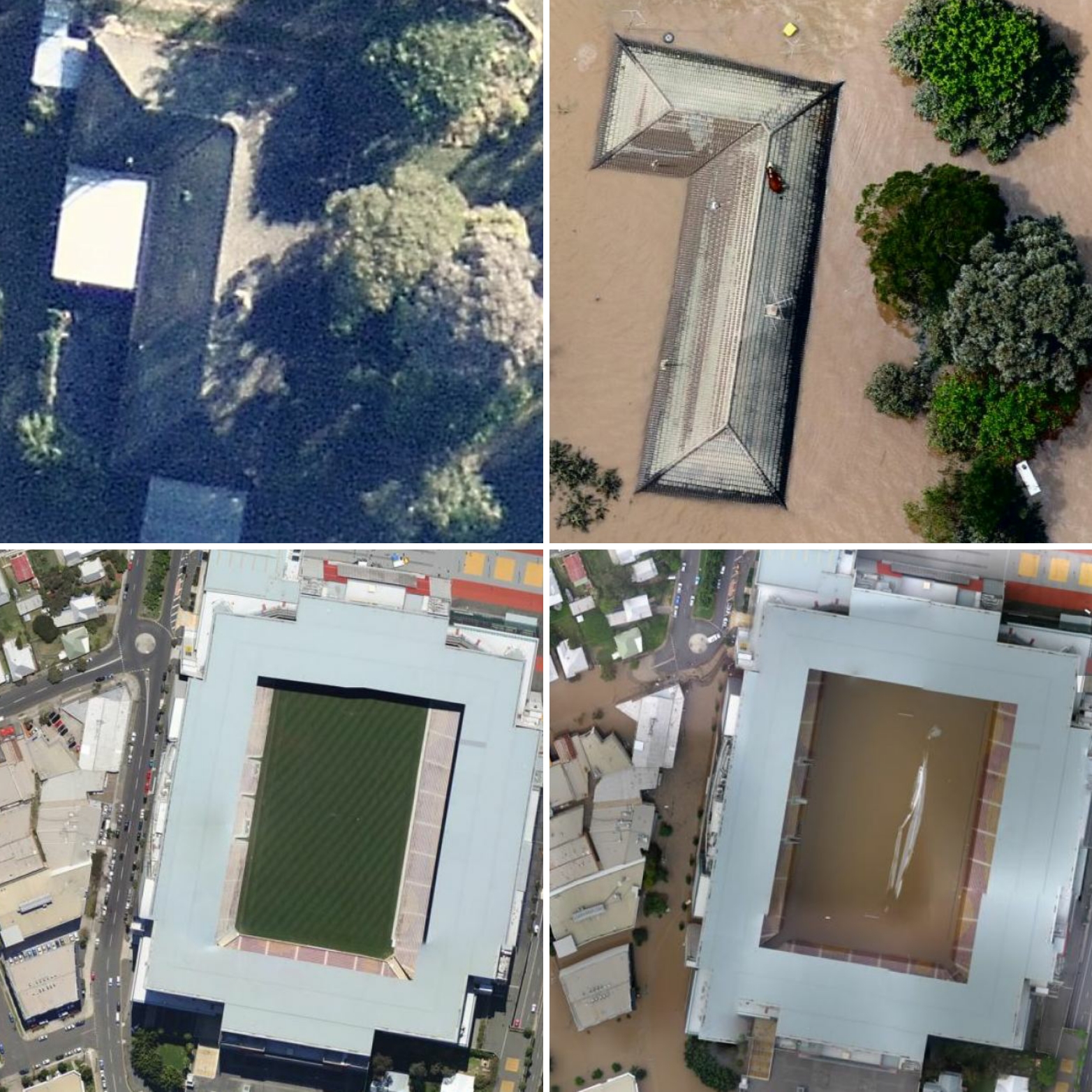
 An unexpected rain event has been unfolding in south-east Queensland. What is being described as a ‘rain bomb’ sat above for days and I happen to live in a suburb where it hovered overhead the longest. We have had non-stop torrential rain and received more than a metre of rain (a staggering 1050+mls in our rain gauge). The most we’ve ever had and I’ve lived in Brisbane close to 50 years.
 My grandpa, Bob and my grandma, Lorna met there in the 1940s when each of them were stationed in Darwin, he in the air force, she in the WNELs (Women’s National Emergency Legion), being among those involved in its clean-up and recovery. These bombings also meant the ramping up of interning Italian ‘aliens’, Nonno Anni being one of those rounded up soon after as a result of what happened in Darwin.
 As promised, the first steps in making wine this summer, taught the old-style way by Nonno Anni and older Italians…
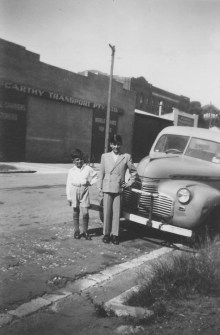 A post script – there were too many little incidents to include them all in,
  Perhaps I was a bit too sentimental in my previous post, (I can be at the best of times!) It might’ve been because Wyandra Street features so strongly in my family history and now, little remains of how the area once was and another bit will soon vanish. But I accept life keeps going on, change happens and so it is. In the meantime, we connect and live on in our stories and I feel very blessed to be able to share these stories with you and to hear yours in return. Gentile auguri! Zoe xx
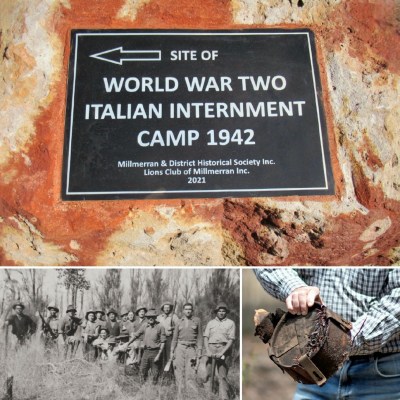 A memorial stone and plaque are now in place at the site of the secret internment camp at Western Creek. It’s been quite a twisting trail to get to this point – from writing about my grandfather being an internee there in
  I planted these in the vegie patch to attract bees yet the flowers have taken me straight back to the daisy bushes Nanna Francesca grew in her front garden. She often had us stand in front of those daisy bushes for photos and from the 1950s on, we have decades of family photos taken with the daisies. (I’m guessing I’m not the only one who has old photos taken in front of a certain plant or tree in a family garden over the years!) While those daisies are long gone now, I love how daisies will forever remind me of Nanna Francesca. (I also couldn’t resist including the photo of Bisnonno Vitale watering their front garden back when three generations of the family all lived in the house on Brunswick Street.)
 I have this one treasured photo with three generations of the Boccabella men in my life – Dad, Nonno Anni, Bisnonno Vitale (and my zio).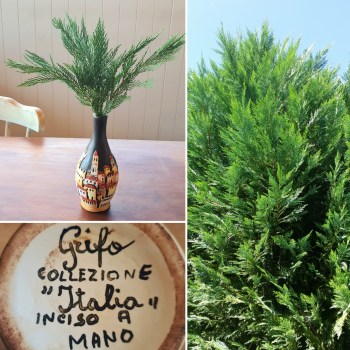
 Vale to my great-aunt, Nancy, Nanna Francesca’s sister. In Mezza Italiana, I wrote about when she was born in Stanthorpe in the 1930s and her parents named her Soccorsa, they hadn’t even left the hospital when the nurses, adamant Soccorsa was too hard to say, called her, ‘Nancy’, a name that was to stick for life.
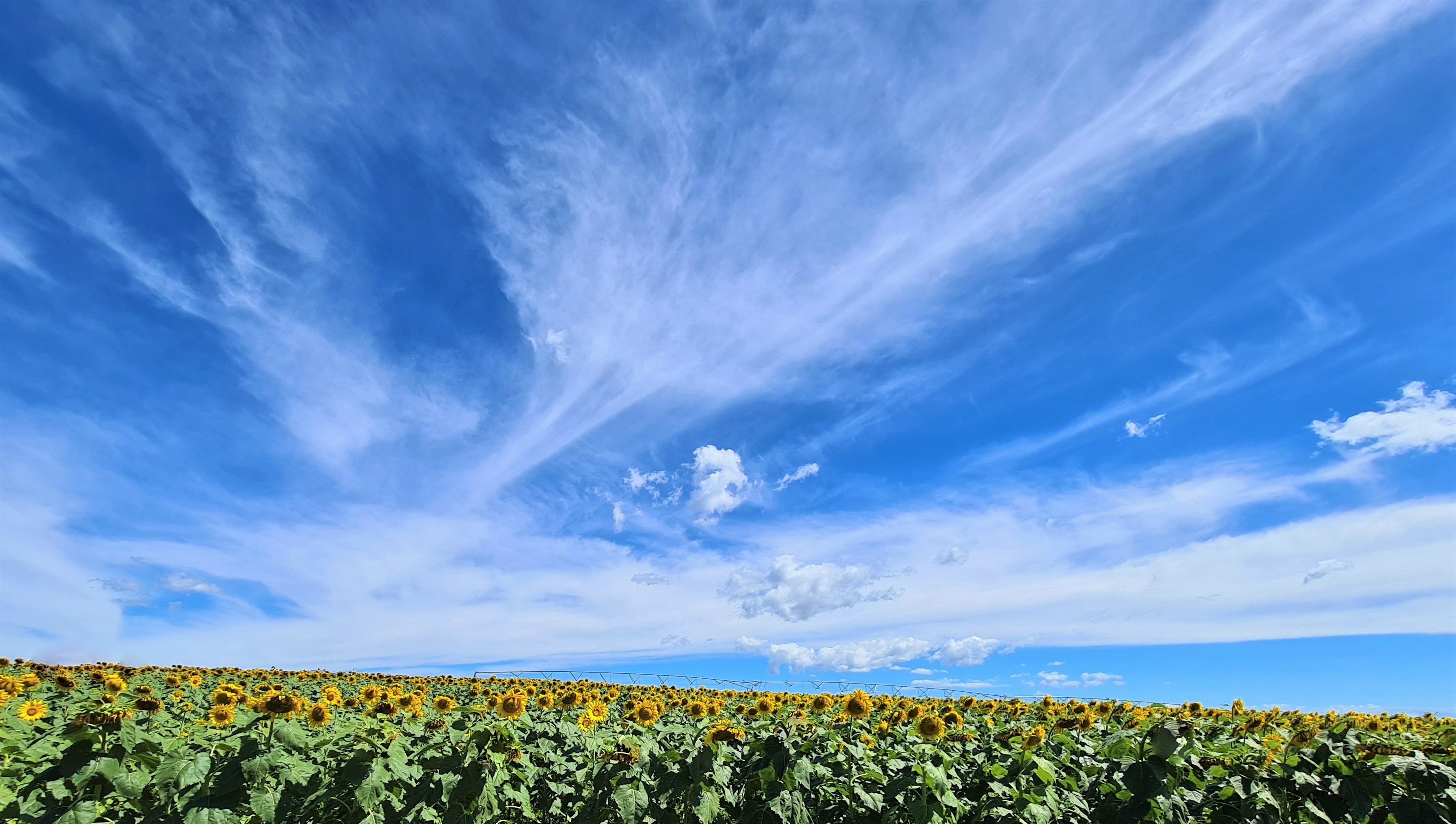
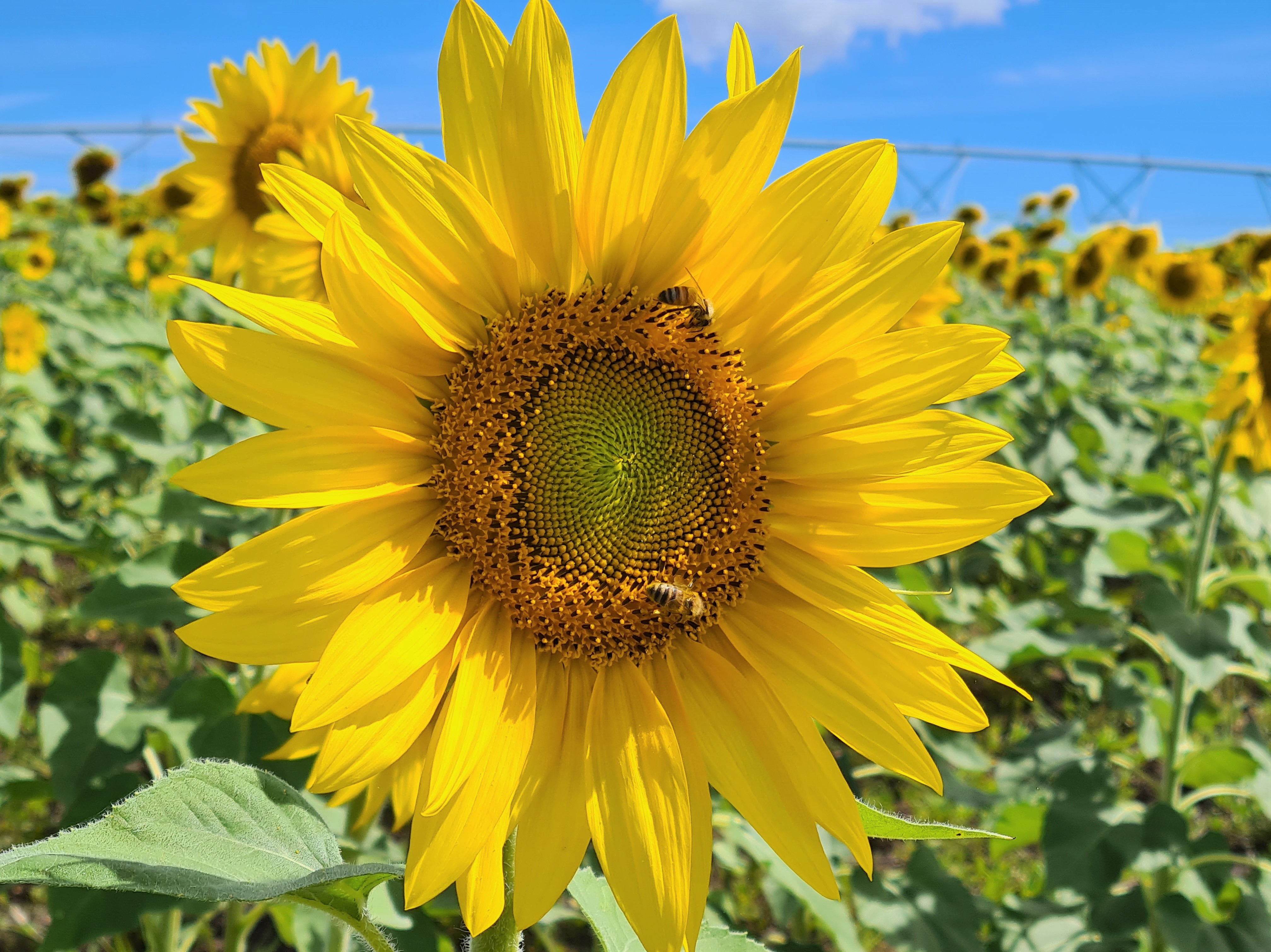 Gorgeous Sunday among the sunflowers… and an inspiring torta girandola, pinwheel tart, that shows how the Italian word for sunflower, girasole, also relates to girandola, a pinwheel or Catherine firework wheel. Love how nature so often shines through in Italian food like this torta and also girandole di carnevale fritte, pinwheel sweets. I also love how sunflowers have circadian rhythms, which mean their faces follow the sun from sunrise to sunset every day. And apart from that they are such joyful flowers that seem to pulsate light and happiness! 💛🌻
  (The torta girandola has a filling of ricotta and spinach/ wild greens and the girandole di carnevale fritte are made to the same recipe as chiacchiere.)
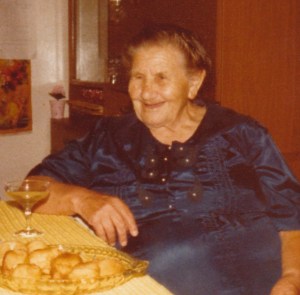 My Bisnonna, Granny Maddalena’s birthday was today and by complete coincidence, this morning I was talking to one of her relatives in Italy of her stories that I’m writing about. Like many of her era, Maddalena’s life was shaped by hard-earned experience as she lived through two wars, an earthquake, a pandemic, the depression and bringing up her sons single-handedly before she could join her husband in Australia.
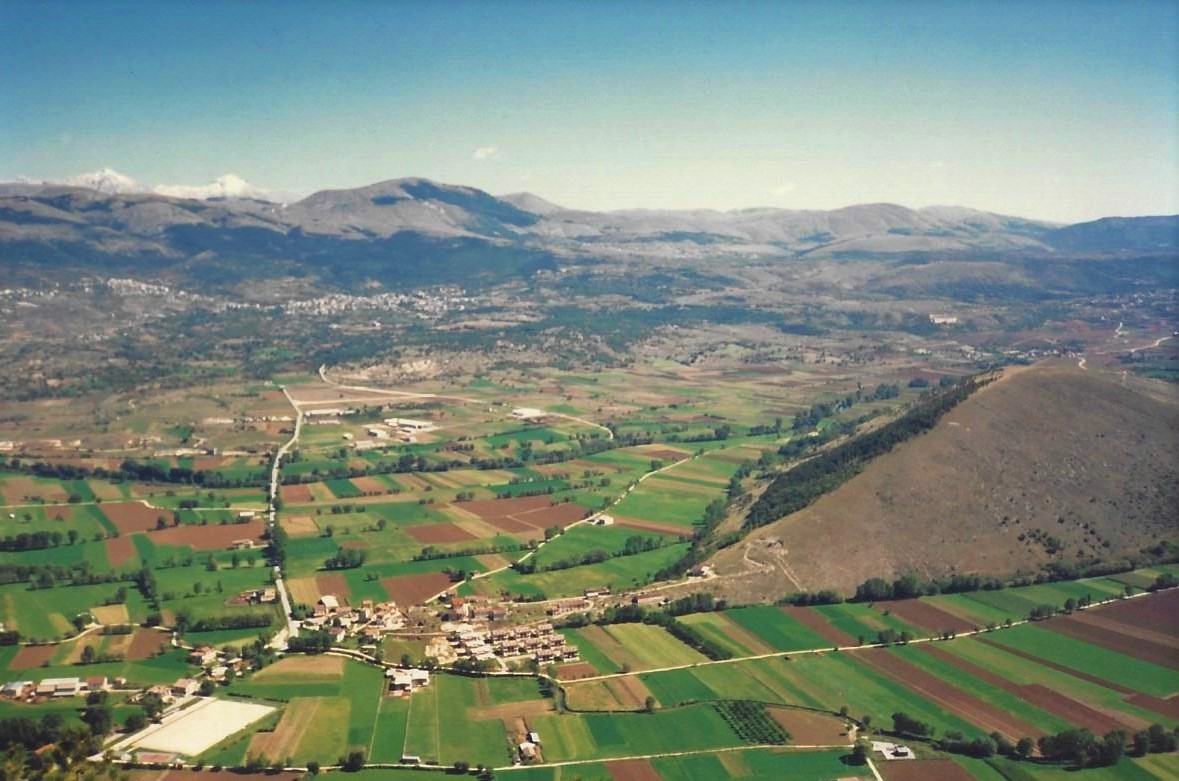
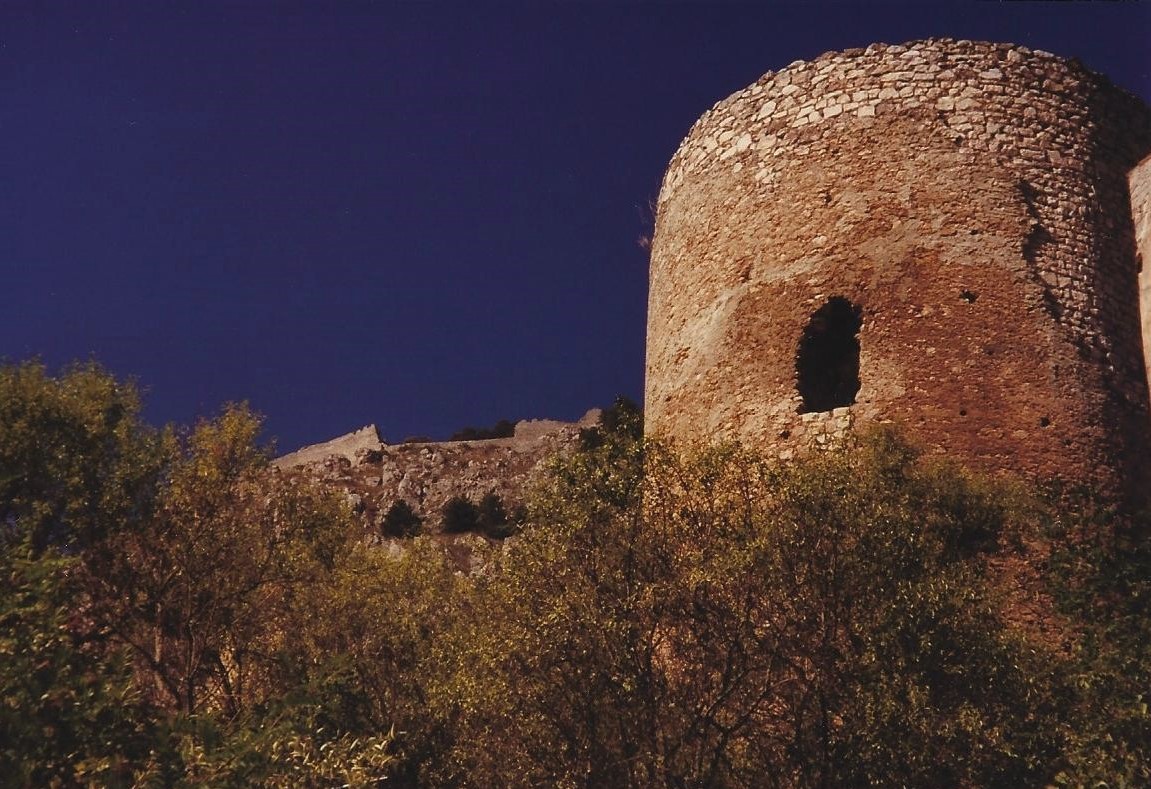

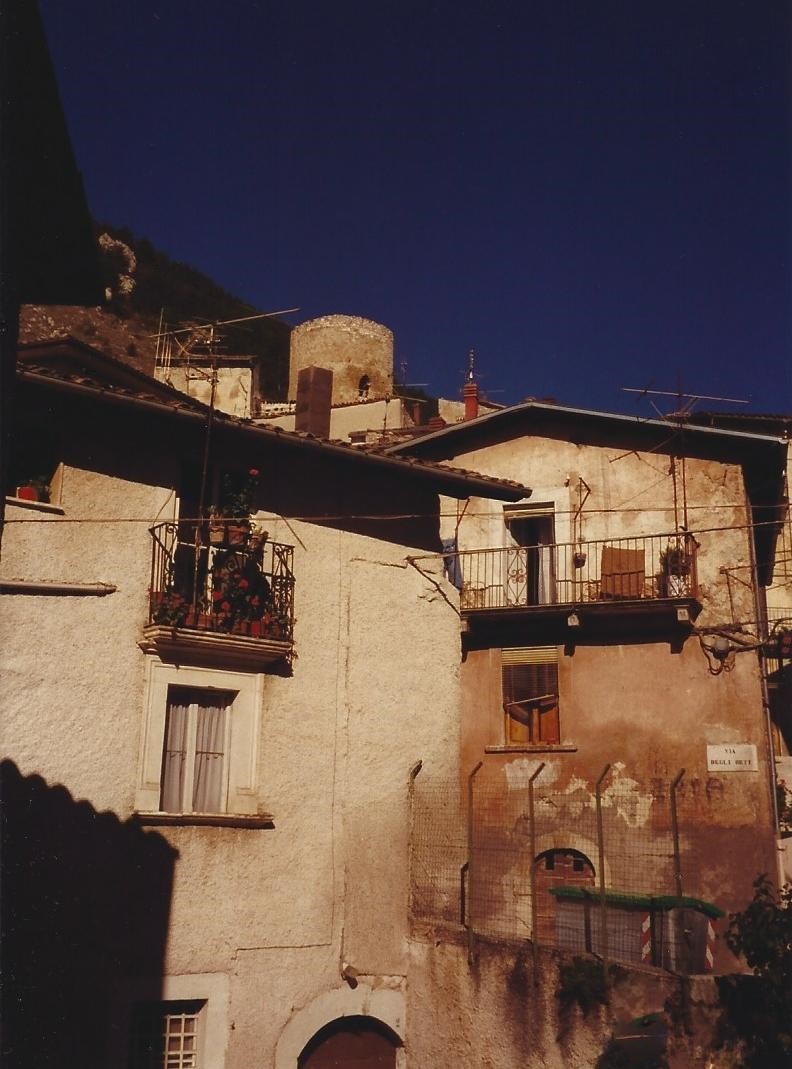
 Still, it’s lovely to look back, especially to see Nanna Francesca and Nonno Anni next to me on the front steps the day I arrived as well as beautiful Fossa when there was no hint of the earthquake to come more than a decade later. And I still can’t get over the rich blueness of the sky some days up there in the Apennine Mountains! No filters or tricks on these photos, just nature at its most exquisite. Thank you for taking the Mezza Italiana journey with me and for sharing your stories too. Grazie infinite cari amici! Zoe xx




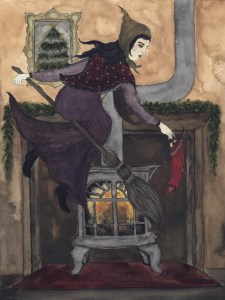
 January 6th – Epiphany and the visit of la Befana, the wise men and women and marking the end of 12 days of Christmas. Whatever your beliefs, ‘epiphany’ is a lovely word with connotations of insight, discovery and a sudden understanding of something that is very important to you.
 In another Italian tradition… after learning about Abruzzese pizze fritte – its song and secret recipe handed down from mother-to-daughter (and sometimes son), but only on New Year’s Eve – Roger and I decided to end the year by cooking these.
 Except, not knowing all of the secret recipe that contains anise and saffron, we decided to make our own version with toppings of basil pesto and crispy prosciutto, bufala di mozzarella, melanzane, tomato and basilico leaves from the garden. The fritte were also cooked in a wok and finished in the oven, which worked well, but isn’t quite traditional! Yet they were delicious and I loved thinking about their connection with Abruzzo.
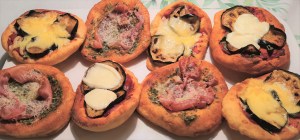 If it otherwise means not following a tradition at all because it’s too hard or the recipe is lost, perhaps it’s okay to adapt them at times. For that becomes part of our history too, all of us adapting here and there along the way over the years, while still understanding what is important overall. Tanti auguri di felicità per l’Epifania! Many wishes of happiness for Epiphany! xxx
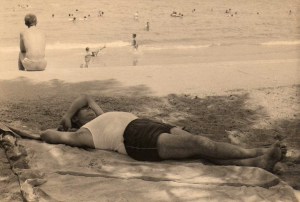 “On Boxing Day, Annibale, Francesca and the others loaded the back of the Chevrolet with cold drinks, some roast chickens and a couple of large watermelons. After several years of keeping the fruit shop and milk bar open almost every day, Annibale had decided they’d close for a couple of days over Christmas and the family would head to the beach for the day…
 Nonno Anni told me when he received an orange for Christmas during his childhood in the 1920s, he treasured it. I knew he and his Mum were poor and village life in Italy was hard at that time, especially with his father far away in Australia to seek work, but an orange… I couldn’t quite believe it when I found this out as a child in the 1970s and oranges were so easy to get then. But fresh oranges were considered treasures before refrigeration and faster transport. Especially at Christmas considering that since ancient times, oranges have been said to bring joy, good luck and to ward off evil. (What must Nonno Anni have thought once he had a whole display of oranges at his fruit shop and milk bar!)
 If I’m honest, Christmas isn’t always the easiest time for me as it feels bittersweet with the happiness of those present mingled with the quiet of those unable to be or now gone. But food is so special in that certain dishes can trigger those lovely memories of people dear to us no matter how long it may be since we’ve seen them and this year, I feel happy that oranges can bring that little bit of sunshine.
 Warmest wishes and thank you for your lovely support and messages throughout the year. May 2020 be filled with light and some happiness no matter what else it may bring! Wishing you tante belle cose – many beautiful things, Zoe xx
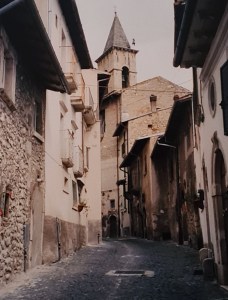
 If you have any link to Abruzzo, I warn that this footage may be hard to watch as those filming go right into the most intimate parts of homes, which may just happen to be yours or of someone you know. That said, the young men filming have done so with respect, have only entered houses where the doors were already open and have concealed the name and whereabouts of the village. (Considering my own family’s house is one of those looted since the earthquake, I appreciate this.) By the end, they also appear to be overwhelmed by all they’ve seen.
 I never usually know what ‘international day’ it is but happened to see that today it’s in honour of rural women, so thought I’d share with you this rare photo of my great-grandmother taken of her alone.
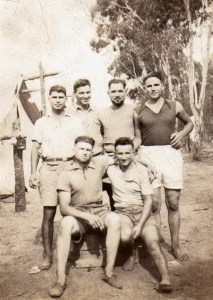 When I wrote about the secret internment camp at Western Creek in Joe’s Fruit Shop and Milk Bar, I thought that was the end of it. It took several years and almost a detective hunt to put together the information and I met many brick walls from authorities. Some refused to believe the camp that detained hundreds of innocent men during WW2 even existed, others conceded that records for such camps were often scant and, in the years afterward, destroyed. Or not kept at all. (These camps being relatively secret and hidden out in Queensland’s west in forest or bushland when official internment camps at places like Enoggera were full.)
 To me, it’s both remiss and insensitive that internees in Australia weren’t given some type of official apology like those in other countries were and, of course, for most it is too late now to hear one. Nonno Anni never bore any bitterness or ill will for his internment, he accepted it with grace as a factor of wartime, but I hope remembering what happened in this way gives back a little of what was lost.
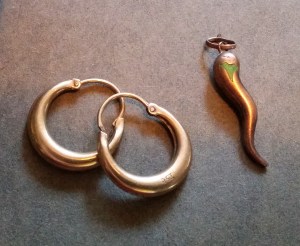 ‘Raccavallala!’ Granny Maddalena cried out if someone stepped over a child lying on the floor – step back over it! – or you’d stunt the child’s growth. I’m currently researching Italian folklore and came across this very superstition and many others like… never put your wallet on the floor or you’ll have no money. If you accidentally put your clothes on inside out in the morning it’s good luck and you’ll receive good news. Wasting food or throwing it out brings misfortune. Remove cobwebs with your left hand for good luck.
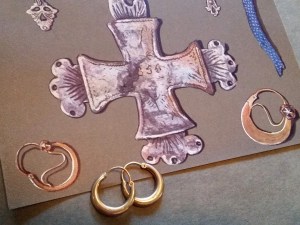 Beside Maddalena’s amulet are her gold earrings – given to young girls as gold was believed to protect against blindness and misfortune and interestingly because it symbolises the sun’s power and masculine energy. I have no idea how old these earrings are but Estella Canziani did paintings of similar earrings worn by peasants in Italy and France that she saw during her travels in the 1900s, including in the area of Abruzzo where Granny lived.


 About twenty years ago, my mother gave me a little sapling that had sprung up beneath a big, spreading tree in her backyard. She’s been gone for a long while now but that sapling is now a big, spreading tree in my backyard and to sit under it and look up to the sunlight trickling through the leaves is just magic.
 I just heard someone in the neighbourhood practising the Last Post to play at dawn for ANZAC Day tomorrow and it gave me goosebumps. As we bring to mind all those affected by war and I think especially of those men in my family who served in both world wars and Vietnam, I thought this year I’d share with you another perspective of how it was for three different women in my family during war…
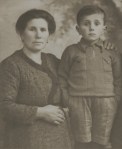
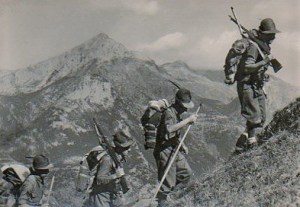 “La Spagnola” was what Great-Granny Maddalena called the Spanish influenza pandemic. When it reached Abruzzo, she was twenty-five and yet to marry, with a broken engagement behind her, and working in her parents’ butchery and grain mill in Poggio Picenze. She told my father that after the end of World War I, she remembers seeing young soldiers walking across the valley returning home to their mountain villages after years away fighting. (One of them, my Bisnonno Vitale, an Alpini soldier from Fossa, who hated war, she’d marry just a few years later.) Most of these young men were traumatised, many with missing limbs and no help from authorities for them to recover.
 As they returned to their families and small villages, many unknowingly arrived carrying the Spanish flu with them, which tragically caused more loss after their homecomings. It’s no wonder Granny Maddalena didn’t want to talk about this time much. Her father, Emidio, died that same year in 1919 and I’m not certain if it was from la Spagnola, since many doctors put pneumonia or septicaemia on death certificates instead. However, as he was only 61 and his sister and brother aged 60 and 59 both died in 1918, it’s very possible they all succumbed to what was known as the Spanish flu. From 1918 to 1920, 500 million people across the world suffered from the pandemic with the death toll being at least 50 million, though some estimate it closer to 100 million.
 There are stories across the world from this time of parents warning children to behave or “the Spanish lady will get you” and children’s rhymes that began, “I had a little bird, its name was Enza, I opened the window, and in-flu-enza…” Fortunately such fearsome ways are mostly relegated to history, however, in our present uncertain period, this Australian, 1919 drawing by May Gibbs to help children understand what was happening at the time shows perhaps a gentler way that is almost as relevant today.
 In what is set to continue to be a challenging time in coming months, I wish you forbearance, a little humour when needed, gentleness and care. For me, if there’s perhaps one thing to hold onto, judging by how people have overcome brutal times in the past including some in my own family, it’s that even when confronted by that which may seem almost impossible to face, it is possible to face it and be stronger than you thought you could be.
 Much love, Zoë xx
 Thank you to great-granny Maddalena who showed me about forbearance, cheekiness, growing vegetables and cooking minestrone and great-grandma Charlotte for her work ethic, kindness, growing gerberas and carnations and baking scones.

 Certain places give a funny feeling when you return to them decades on. Perhaps it’s something that’s more inside yourself than in the building with its recognisable, old glimpses and smells, even if these are veiled in years of change. I found myself back at the Red Hill Skate Arena for the first time since I last roller skated there when I was 13 in the 1980s. (And in another layer of family history, my Mum and Dad had a ‘skate date’ there back in 1967!)
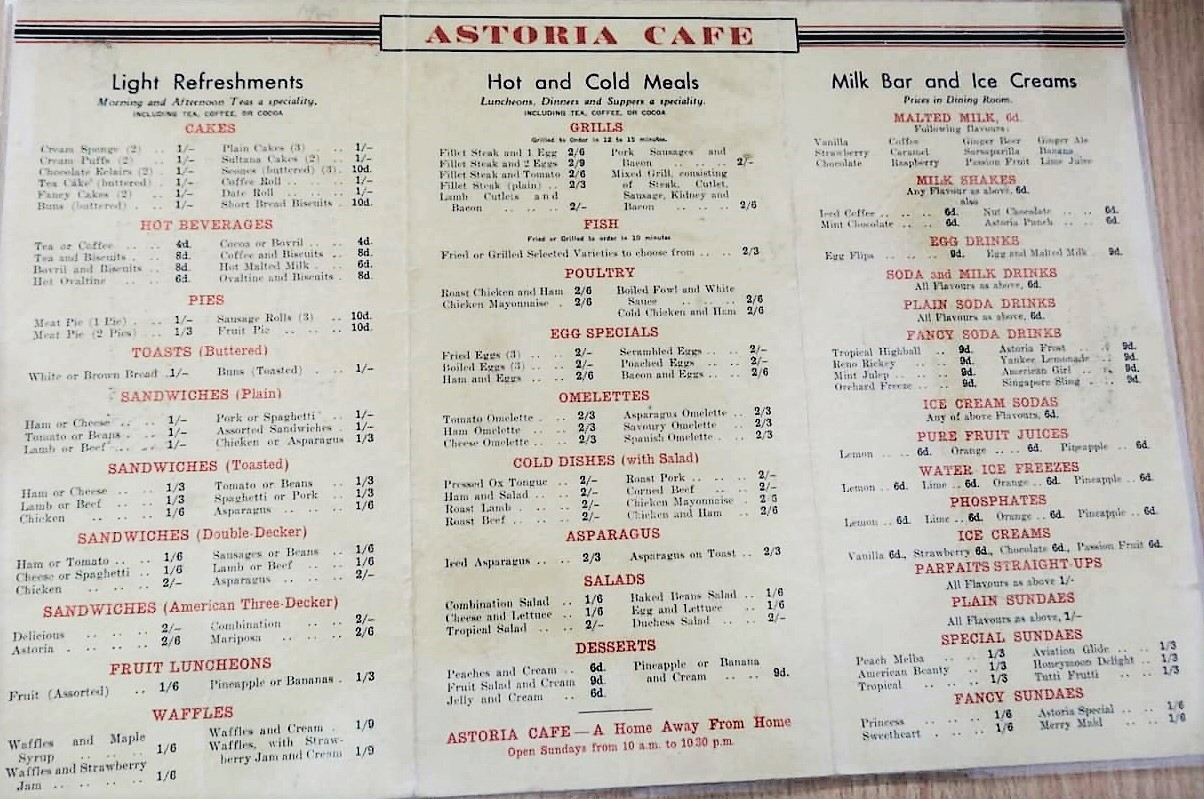
 As you may recall from, Joe’s Fruit Shop and Milk Bar, when I went to locate the places I was writing about, it was sad to find most had disappeared beneath ash, bulldozers and high-rises – the milk bar, Astoria Café, Regent Theatre and Trocadero to name a few.
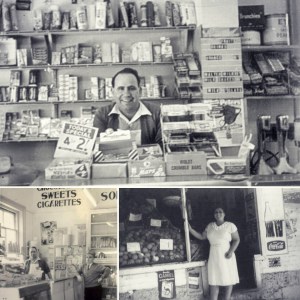 Thinking of all those volunteering and working over this time when many get to take a break. It still amazes me how my grandparents opened their milk bar and fruit shop 7 days a week from early morning ‘til late at night with only two days a year off – for 20 years straight! And then ‘scaled back’ to 5 days a week for the following years.
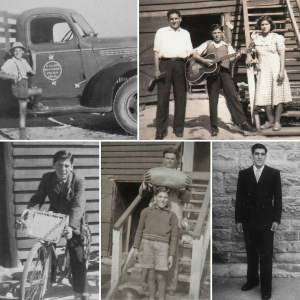 Happy 80th Birthday to my great uncle, Vince. Lovely to celebrate this milestone with him on the weekend. To me, he’s always been a gentle soul and am so glad we’ve stayed close.
 Doing things like an Italian you’d never have thought you would when growing up…

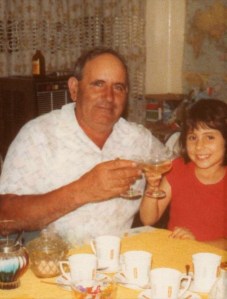 It’s Nonno Anni’s birthday in a few days so there was once a time when all the family would be getting together this weekend at my grandparents’ house. Several tables would be pushed together, Nanna Francesca would cook huge bowls of pasta and either polpette or cotolette, and of course there’d be cake, champagne and maybe Franjelico, or Sambuca with a coffee bean lit on top.
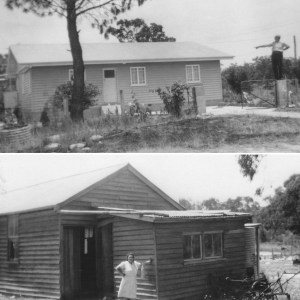 It’s been a tough past few days for those facing bushfires and an incredible effort by people banding together to fight fires and help people and animals. The resolve and grace of those who have lost so much is extraordinary.
 So lovely that Mezza Italiana has been picked in conjunction with Amazon US as one the best books to inspire a trip to Italy. Especially to be in the company of some great authors. Many thanks to Red Around the World. xx

 …no phone reception, no traffic, and then, among the serenity, come three lovely chooks to drink at the creek.


 Some lovely, spring, vegie patch colours…


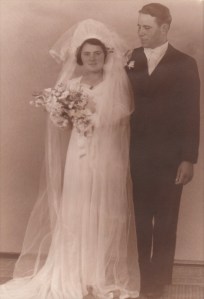 On this day 75 years ago, Francesca and Annibale (Joe) married. It was wartime, the first priest refused to marry them due to Annibale being an Italian internee, his father was interned, his mother in Italy cut-off from them in Australia. Francesca and Annibale were just 17 and 19, their partnership to be both in life and in business. The challenges to come they met with stoicism and compromise (particularly on Francesca’s part as for many women of the era).
 Came across this little bit of ‘mezza Italiana/Australiana’ at the beach on the weekend… a surf rescue boat emblazoned with the word, Arancia (orange). I realise it’s a NZ brand name but for some reason it just felt great to see this Italian word on something such a part of Australian life in beach and flood rescues.
 First flowering after five years in wait… orchids from a cutting my godmother, ‘Aunty Fred’ gave me from her garden, from a cutting that was from her mother’s garden.
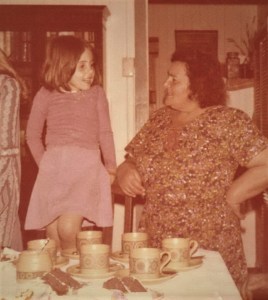 Nanna Francesca’s birth date is today, the 12th, though her birth certificate states February 19th due to its delayed lodging as her parents fought over naming her after their mothers. Tradition prevailed. She was named for her paternal Nonna in possibly the only argument won by the usually quiet, laid-back, Domenico over my grandmother’s maternal side, the indomitable Carrozza women (short, stout and strong).


 Buon anno a tutti and warmest wishes!
 Coming up this street in Fossa always feels like being ‘almost home’ whether returning from nearby L’Aquila or a long flight from Australia. For just around the next corner is my family’s house and while it has centuries of history, to me it also has that comforting feel like coming to stay at your grandparents’ house.
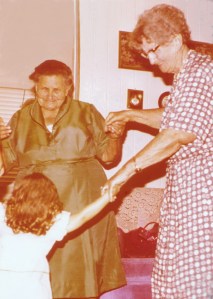 Dancing with my great-grandmothers, Maddalena and Charlotte when I was two. They were of such different Italian and English backgrounds yet had much in common in their day-to-day lives really. This is my only picture of the three of us. Apparently, from when I was very little I loved to dance and often got people up to join me!
 Came across this photograph of my family’s Applethorpe farm in the 1950s with the orchard in flower and realised when I was there doing research for Mezza and Joe’s, I happened to take a picture from almost the same spot 60 years later.
 Have some long, solitary hours ahead for a little while as I do the edit on the next book… so it was lovely to sit at my desk this morning and look out into the tree to see a honeyeater building a nest right by my window. I may even get some baby birds for company come spring!
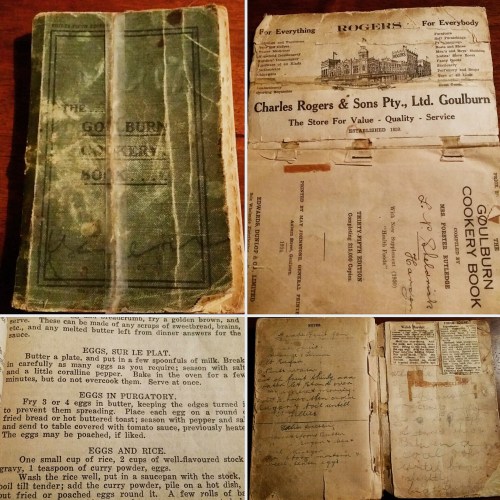 I love cooking from old cookbooks for their connection to the past and family recipes.
 Even though
  Came across this lovely linen, hand towel, circa 1940s/1950s, hand-embroidered to be a keepsake from Norfolk Island. (The picture frame is circa 1920s that I already had and happened to be a lucky fit!)
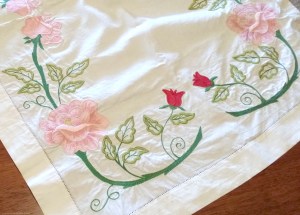 Another piece from my Italian great-grandmother, Bisnonna Francesca’s glory box… (Cesca in my books). This hand-embroidered pillow sham from 1920s Calabria travelled in the hull of a ship across the world to a new life in Australia and remained tucked away for many decades… a keepsake of another place and life that might have been.
 Swiss Italian, Aquilino Tinetti originally built this stone farmhouse at Shepherds Flat in central Victoria circa 1860. He and his wife Maria had thirteen children and the 100 acres were run as a dairy farm for the next 120 years.
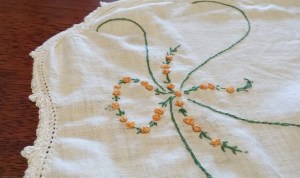 Another piece from the chest of drawers containing linens sewn by my grandmothers… since it was last a picture of my Italian great-grandmother’s initialled linen pillow cover (or pillow sham) from 1920s Calabria, it seemed fitting this time to take out this doily with embroidery hand-stitched by my Australian grandmother, circa 1950s in Brisbane – mezza italiana/mezza australiana….
 Chatting over the fence my Sicilian neighbour, who is in her eighties, recommended to put a lemon leaf under polpette (those Italian slightly egg-shaped meatballs) when frying them in olive oil in the pan – not necessarily to eat the leaf but for it to impart flavour during cooking. I haven’t tried that yet however seeing these fresh young leaves I might need to give it a go.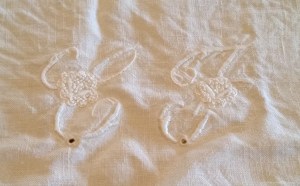
 Today it is 70 years since my Italian grandparents, Nonno Anni and Nanna Francesca signed the lease on premises to start up their fruit shop and milk bar in Australia.
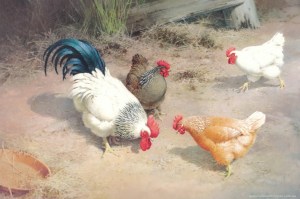 Perhaps it’s old-fashioned but I still have a wall calendar where I write up all that’s happening. This year it features paintings by William T. Cooper (1934-2015) an Australian artist who painted mostly natural subjects, especially birds. He painted with extreme precision so if there were a certain number of a certain colour feathers then that is exactly what he depicted.
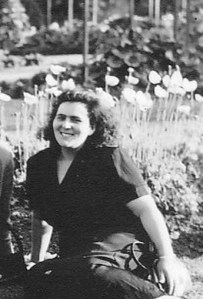 Today, my Italian grandmother, Francesca, would have been 90 years old. This is one of my favourite photographs of her, taken with friends in the Botanic Gardens circa 1950s.
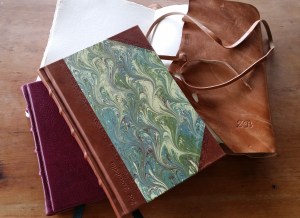 In Bendigo not long ago, I came across a bookbinding shop that is the most similar I’ve found in Australia to the one I came across in Florence (p.212 Mezza Italiana). I couldn’t resist these handmade books and the owner kindly offered to emboss my name on them.
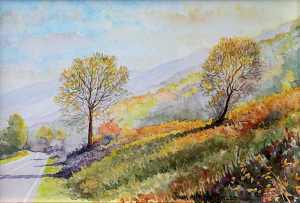 A new year stretches ahead and there is something thrilling and also sobering in not knowing where our paths may meander as the months unfold. Hope this year is a wonderful one for you that brings much happiness! I couldn’t go past this beautiful painting by L’Aquila artist,
  I have been in central Victoria doing research for part of the next book and am completely taken by all the beautiful, historic buildings still being utilised and looked after in so many towns. This hotel in Trentham was badly damaged by fire a decade ago and yet rather than being given up on, it is great to see it brought back to its former self. Seeing the new corrugated iron roof you can almost imagine it when first built back in the 1860s…
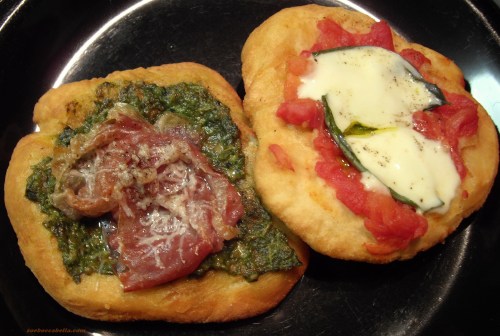 A decadent version of little pizzas with the fluffy dough fried then oven-baked – pizzette fritte. {Apparently, considered the way pizzas were first made.} They are very light and if made well in the traditional way, should not absorb the olive oil.
 The Astoria Café in Brisbane, where my grandparents worked in the 1940s, had long been demolished by the time I wrote about it. I relied on my grandparents’ stories and old pictures and wished it had still been around for me to see.
 Nonno Anni behind the counter of the milk bar – one of very few photographs taken inside. Great to see the milkshake machines to the right. It is difficult to decipher some of the brands of sweets, cigarettes and biscuits around the counter though I can see Mars chocolates {first made in 1932}, Violet Crumbles {since 1913} and a sign for Peters ice-cream {since 1907}.
 So many traditional Italian dishes were created by combining leftovers, which I love as I can’t stand wasting good food by tossing it out. And while I know I would definitely not be the first to try this, it was a happy discovery when faced with some leftover prosciutto to fry it, sprinkle it and taste for the first time – basil pesto orecchiette with crispy prosciutto.
 A beautiful, mosaic artwork is emerging along Mercers Lane in Ingham, Queensland to commemorate the history of the local sugarcane industry. Really inspiring to discover around 2000 local volunteers and tourists so far have taken part in creating the mosaic and it’s wonderful to see local history recorded in art like this, particularly all the different cultures that have been a part.
 Recently, I have been travelling in southwest Queensland for research for the next book. In the main street of Laidley, I happened across this beautiful old building that was originally a bakery when it was built back in 1905. It is currently empty and seemed to be being renovated inside. Lovely how so many country towns value and utilise their historic buildings. Seeing the words ‘Soft Drinks’ in faded paint across the glass over the front entrance, I could not help imagining turning it into an old-style, 1950s milk bar…
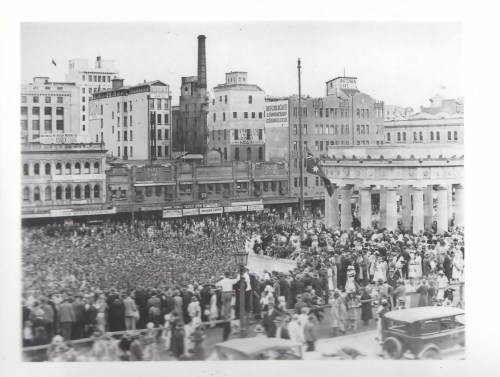 Official opening of Anzac Square in Brisbane on 25th April, 1930 (taken from Ann St looking towards Adelaide St).
 … ‘meat and veg Italian-style’ – polpette, melanzane e piselli in passata con due formaggi – meatballs, eggplant and peas in passata with two cheeses.
 ….as it looked when my grandfather, Annibale arrived alone in Australia at the age of 15. Met by his father, Vitale, who took him straight from the ship dock to this street to buy some new work boots. The very next day, they left Brisbane for Annibale to commence work at a farm 200km away. After seven years apart, father and son got to spend just 24 hours together.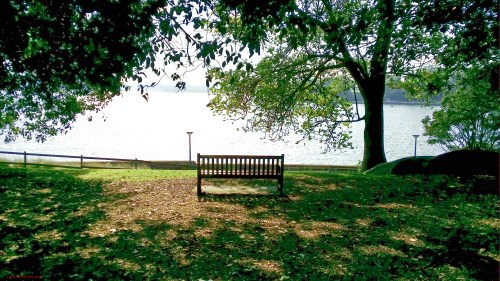
 My Italian grandmother made these all the time so I thought it fitting to serve them on one of her Florentine, painted wooden serving trays on the terrazzo table that sat on my grandparents’ patio for decades.
 Happened across this gorgeous
  Along the Hermitage Foreshore track in Sydney Harbour National Park a couple of Sunday mornings ago…. absolute magic!
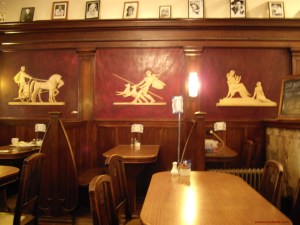 I cannot visit Katoomba in the Blue Mountains without going to the Paragon Café. Said to be the oldest café in Australia – trading since 1916 – it has retained its art deco, Greek café form since 1926 and still has its milk bar!
 Spring in Australia starts today {although the equinox is a few weeks off yet}. I wish I’d grown these myself but I took this picture during the northern hemisphere’s spring – in Beutelsbach, Baden-Württemberg, Germany, where I was doing research for a future book. It seemed every window box and garden were growing beautiful red flowers.
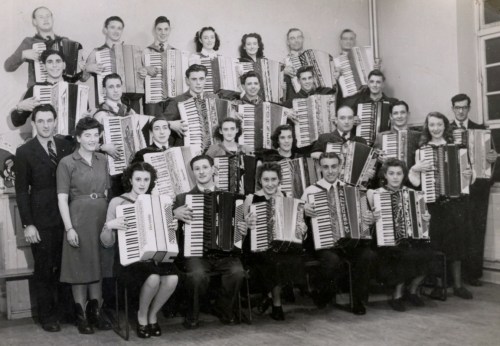 For the first time, we recently saw a piano accordion orchestra concert. It was great, some of the music taking me back to attending those big Italian weddings when I was a child and also our family gatherings when my uncle sometimes played the piano accordion. Of course, there were a couple of classics played, including Volare and Funiculi Funicula.

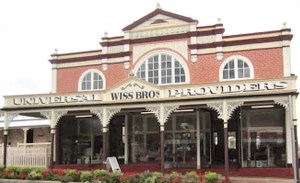 One Sunday morning, we came across the


 Zoë Boccabella