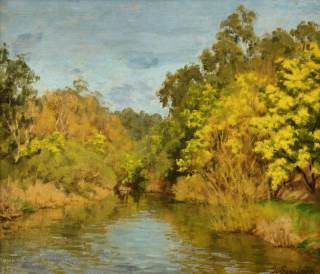
 Italian feminists first chose the mimosa (wattle) flower as a symbol to mark the first International Women’s Day after the end of World War II in 1946. They chose it for its bright colour, scent and plentiful availability at the time of year and their tradition spread across the world.
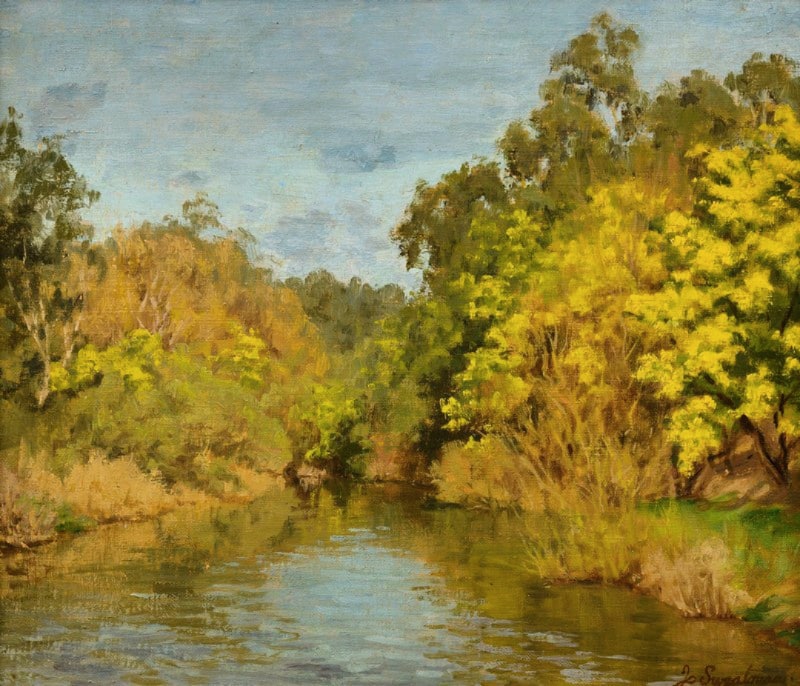
Estelle Mary (Jo) Sweatman (1872- 1956) is considered to be one of Australia’s most famous painters of wattle (mimosa). (Like most women artists, her name and artworks were not made as well-known like many male artists of the same era.)
First thing this morning, I received this text…
Happy International Women’s Day Zoë !
I hope you can enjoy a little time today to reflect on the achievements of all the other great women.
Dad xx
It made my day. Especially knowing Dad grew up in an era that was so very different for women. And while Mum has been gone a very long time now, I can also hear her voice in his words. I’m so grateful for all the inspirational women who have kept on despite all the setbacks put in front of them because of their gender, yet who persevered to achieve changes, both small and large, that overall make a great difference.
There was a time a woman couldn’t get a book published, then had to publish under a male name and there was also a time that as a woman with a migrant surname it would have been even harder for me to have my writing published. I really appreciate and am thankful for how far women have come and for continuing to persist and also to the strong, just, kind men who support them and keep doing so. Auguri per la Festa della Donna! 💛
Wattle trees on the Riverbank, c.1910s-20s, oil on canvas by Estelle Mary (Jo) Sweatman (1872-1956).


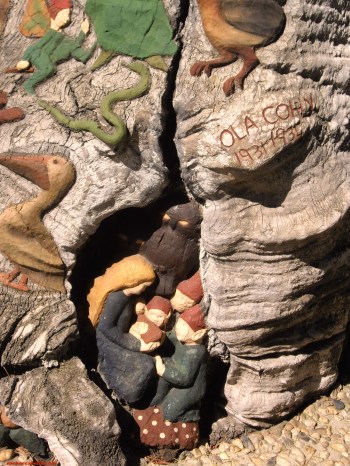 Part of The Fairies Tree in Fitzroy Gardens, carved in the early 1930s by sculptor Ola Cohn {1892-1964} as a gift to the children of Melbourne. Though my own childhood is distant, I found myself rushing through the gardens to find it. And while there were plenty of beautifully carved tree folk to capture, I was taken by this little group hiding in a notch near the base of the trunk, and especially like the owl.
 A gift to the children of Melbourne…


