
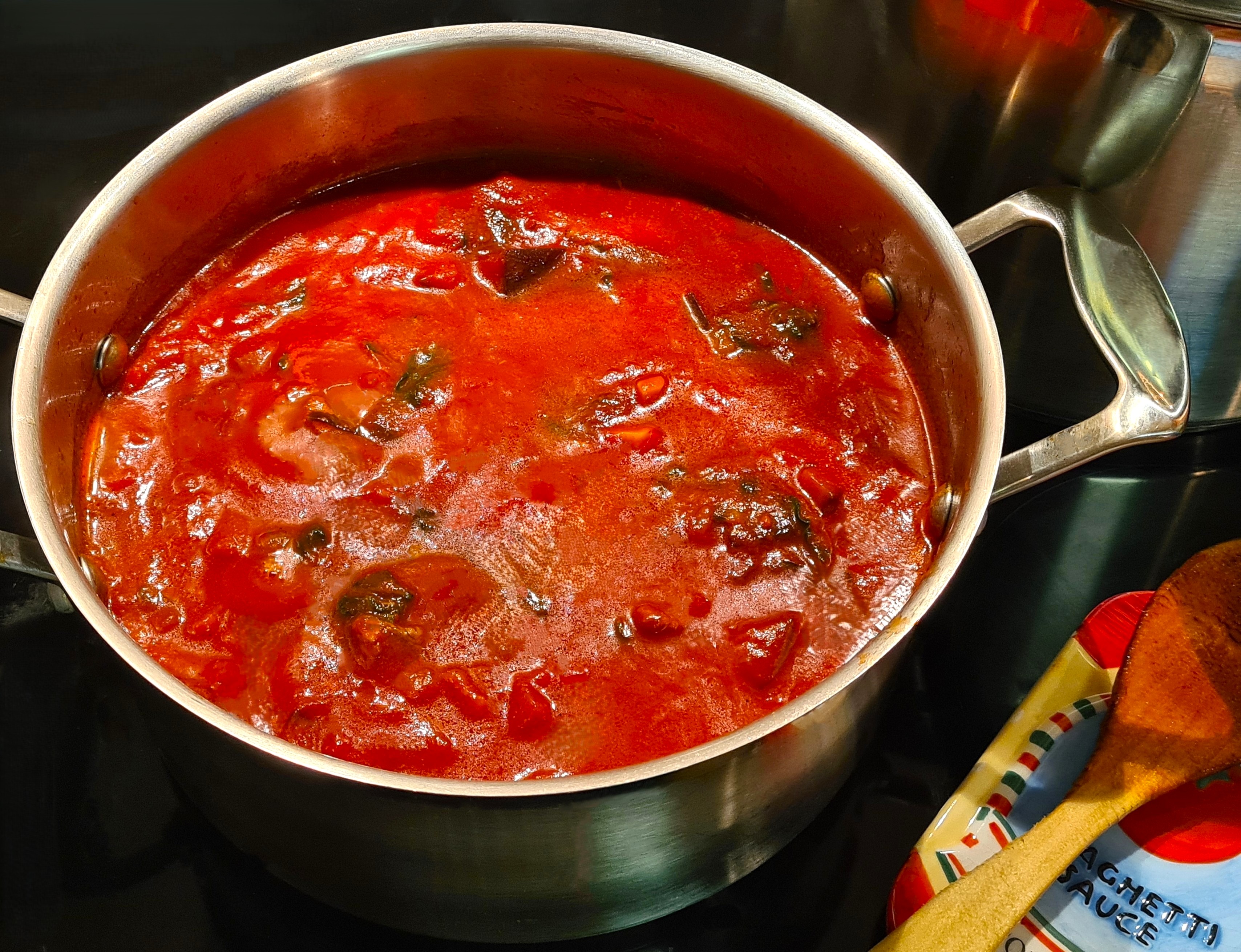
 First pasta sauce for the year (now the freezer shelf is bare of the last container from the previous batch – so many dinners from one pot!)
Each time the recipe ends up a little different, but for this one there is…
- Passata for past ‘tomato days’ when three generations made the sauce together.
- Olive oil – a symbol of peace and the heart of Italian food.
- Onion for the layers of life (and tears shed).
- Garlic for health and protection from the Malocchio (evil eye).
- Bietola, silverbeet for nourishment and connection to the land.
- Chuck steak for strength (and a link to as a kid I had to carry home that paper-wrapped parcel from the butcher shop up the road back to Nanna Francesca’s kitchen).
- Diced and crushed tomatoes for passion and the blood of independence.
- A dash of balsamic vinegar for patience (and quality, slow craftsmanship over fast mass production).
- A teaspoon of sugar for love, generosity and the sweetness of life.
- Salt for the sea of southern Italy (and the tide to go out in the pot).
- A handful of lentils for good fortune and a prosperous year ahead.
Hopefully, I haven’t forgotten anything but the next one will have its own story anyway. Buon appetito. 🍝 ✨
– – – – – –
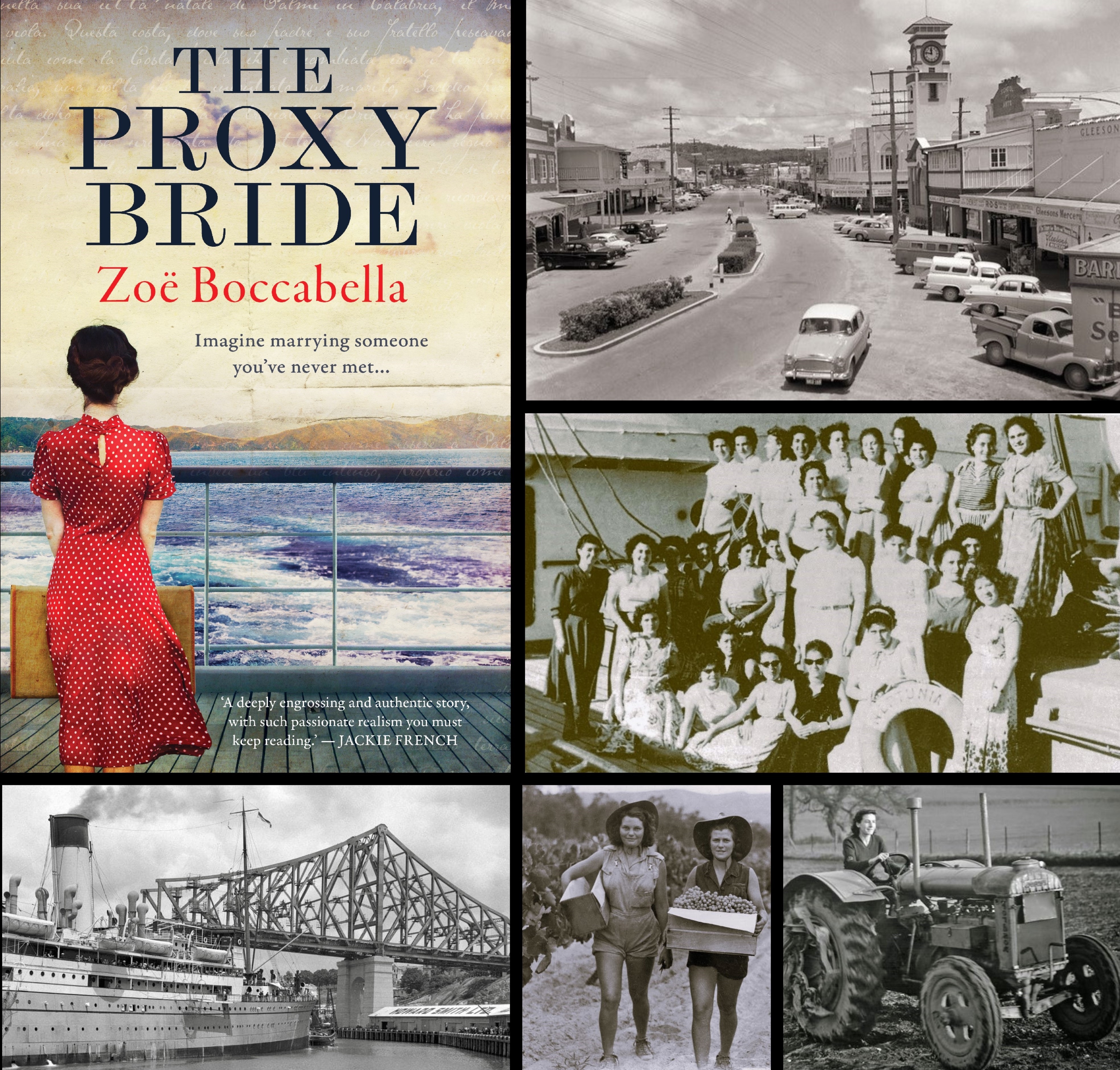
❤️ Anche… my heart goes out to all those in southern Italy and its surrounding areas recovering from the devastation of the cyclone at present. Including the seaside town of Palmi where Nanna Francesca’s side of our family is from (and where I wrote about in, The Proxy Bride). Auguro a tutti voi forza, cuore e coraggio. Zoë xx
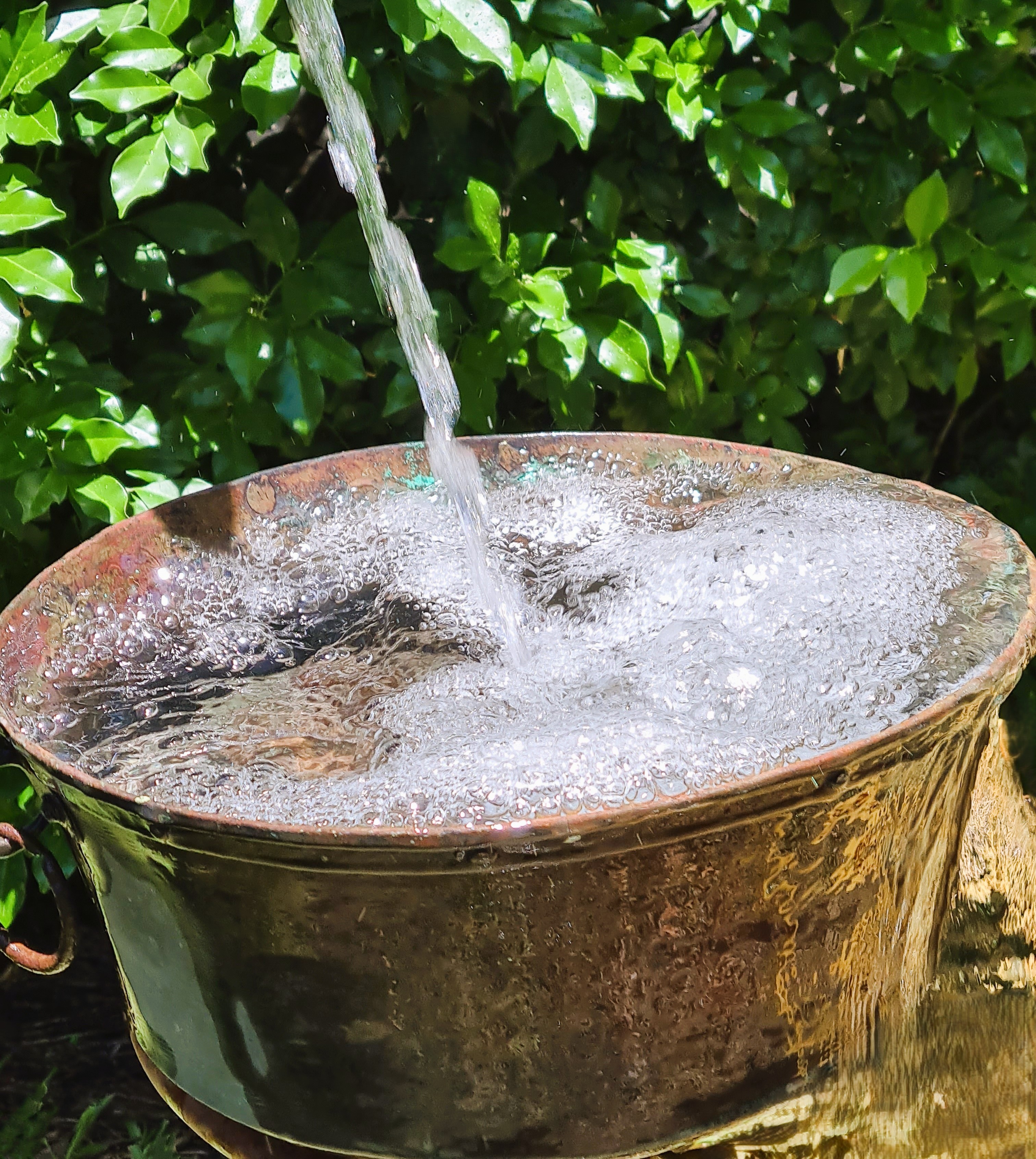 Years ago, when it wasn’t common to have running water at home in Abruzzo, on the first day of a new year, women would go to the village fountain to collect clean water in their copper conca or basin and take it to friends and neighbours as a gift.
 It’s Capetièmpe in Abruzzo – that special time of year from all hallows eve for about twelve days when the kitchen table is laden with delicious food from harvest time and places set for both the living and the dead. When there are candles and bonfires of endings and renewal, picnics in cemeteries and masked children go to each house collecting treats from the laden tables to share with their poorer families.
 The spring daisies are out at present in the garden 🌼🤍🐝 and they’ll forever remind me of Nanna Francesca and the daisy bush in her Brunswick Street front yard that she often asked me to stand next to for a photo. (There were actually daisies on this little green dress Grandma Lorna had sewn for me but they’re little hard to see as Nanna Francesca’s photos could be a bit ‘hit and miss’ and blurry if she pushed the camera button too hard!)
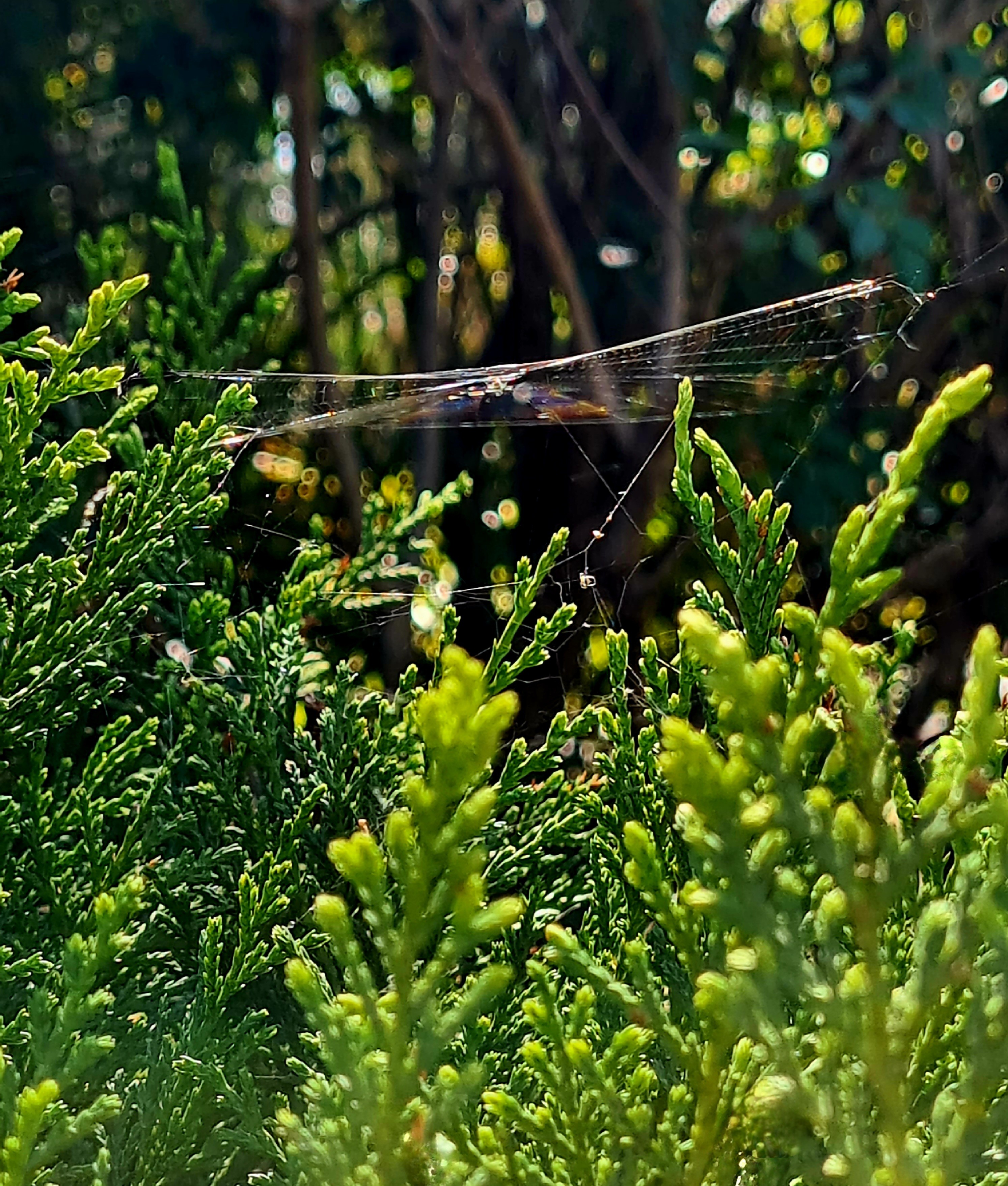 It’s taken months since Cyclone Alfred (in March) to see spiders in my garden again. I’m so pleased they’re back! It’s funny but the older I get, the more I find myself by chance doing things my nonni did, like taking more notice of what’s going on in the garden.
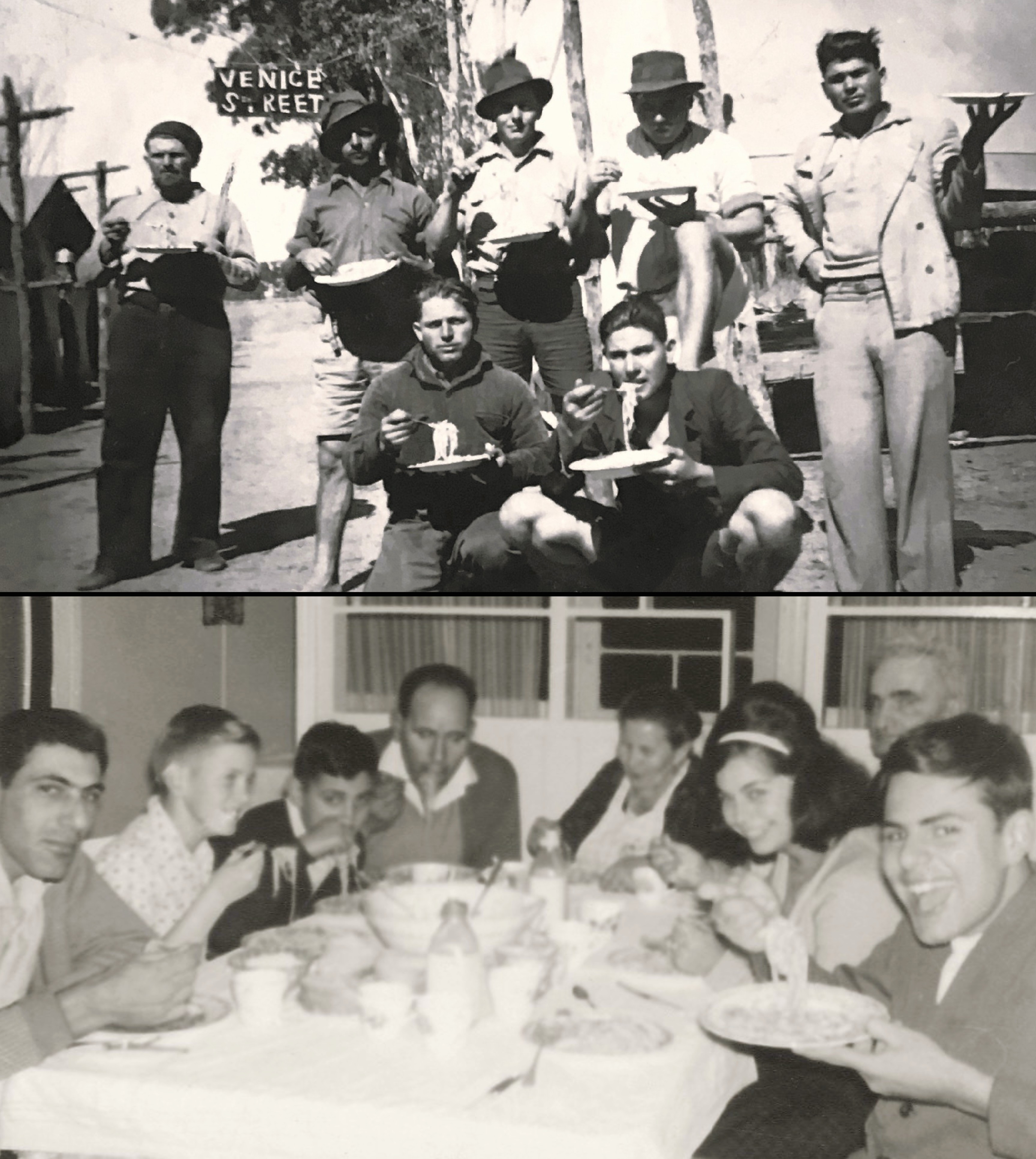 An incredible thing happened recently… I’m working on the next book, in particular, a part of it that’s an update on the internment camp Nonno Anni was in, when out-of-the-blue, I’m contacted by someone whose father was in the same camp. (The secret camp authorities said never existed, though any of us who had family in there know that’s not true.)
 The wedding bonbonniere trinkets in Nanna Francesca’s ‘good’ cabinet were out-of-bounds when I was a kid. Though I’d look at them through the glass, some still with the teeth-cracking sugared almonds – confetti, as they’re called in Italy – that represent ‘health, happiness, wealth, luck and fertility’.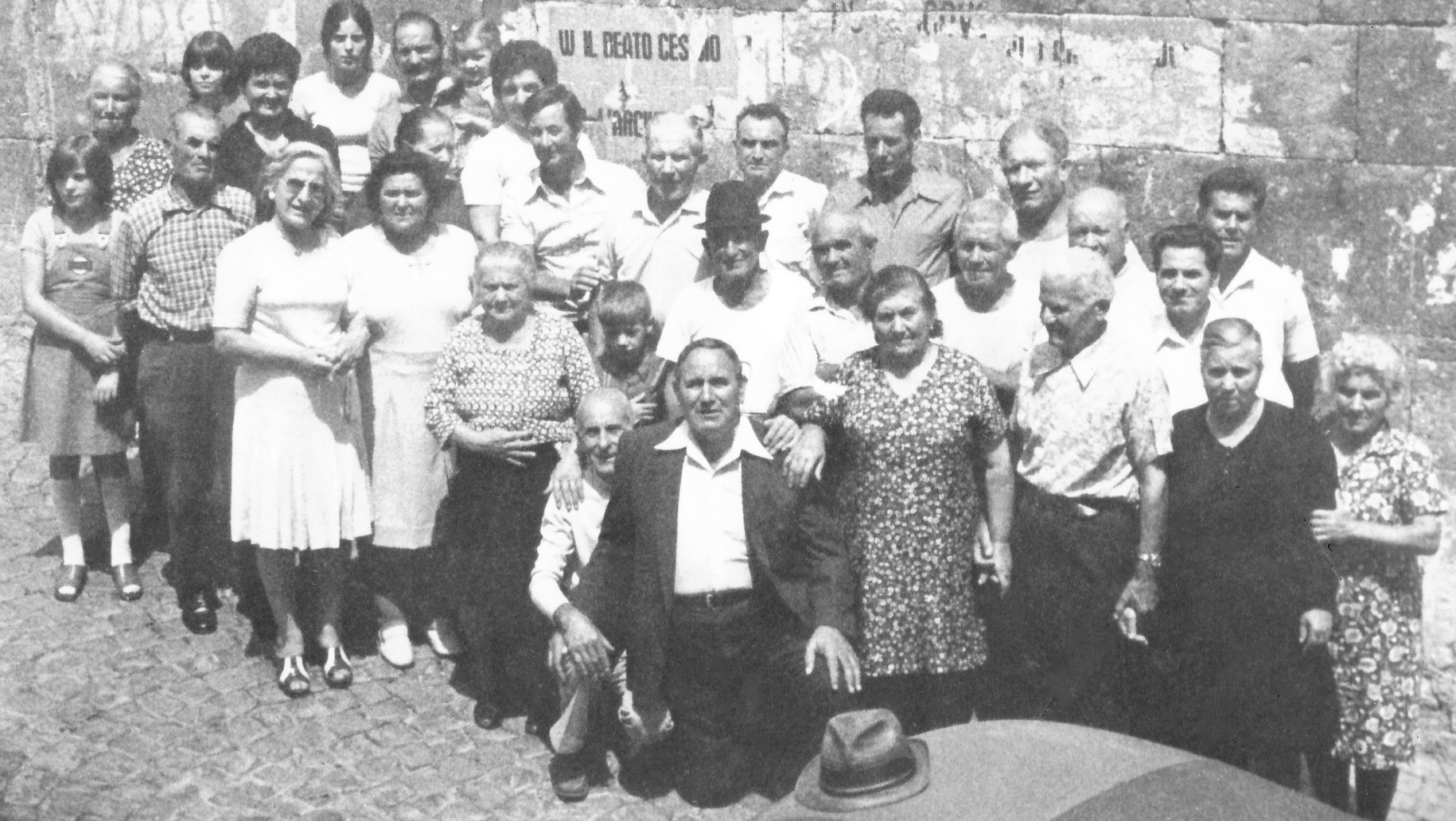
 It’s fifty years this year since Nanna Francesca and Nonno Anni took their ‘big trip’ overseas. And what a trip it was – to several countries in Europe and the UK as well as America. It was also the first holiday they treated themselves to after decades working in their fruit shop and milk bar every day from 7am until 10 or 11pm, with only Easter and Christmas days off.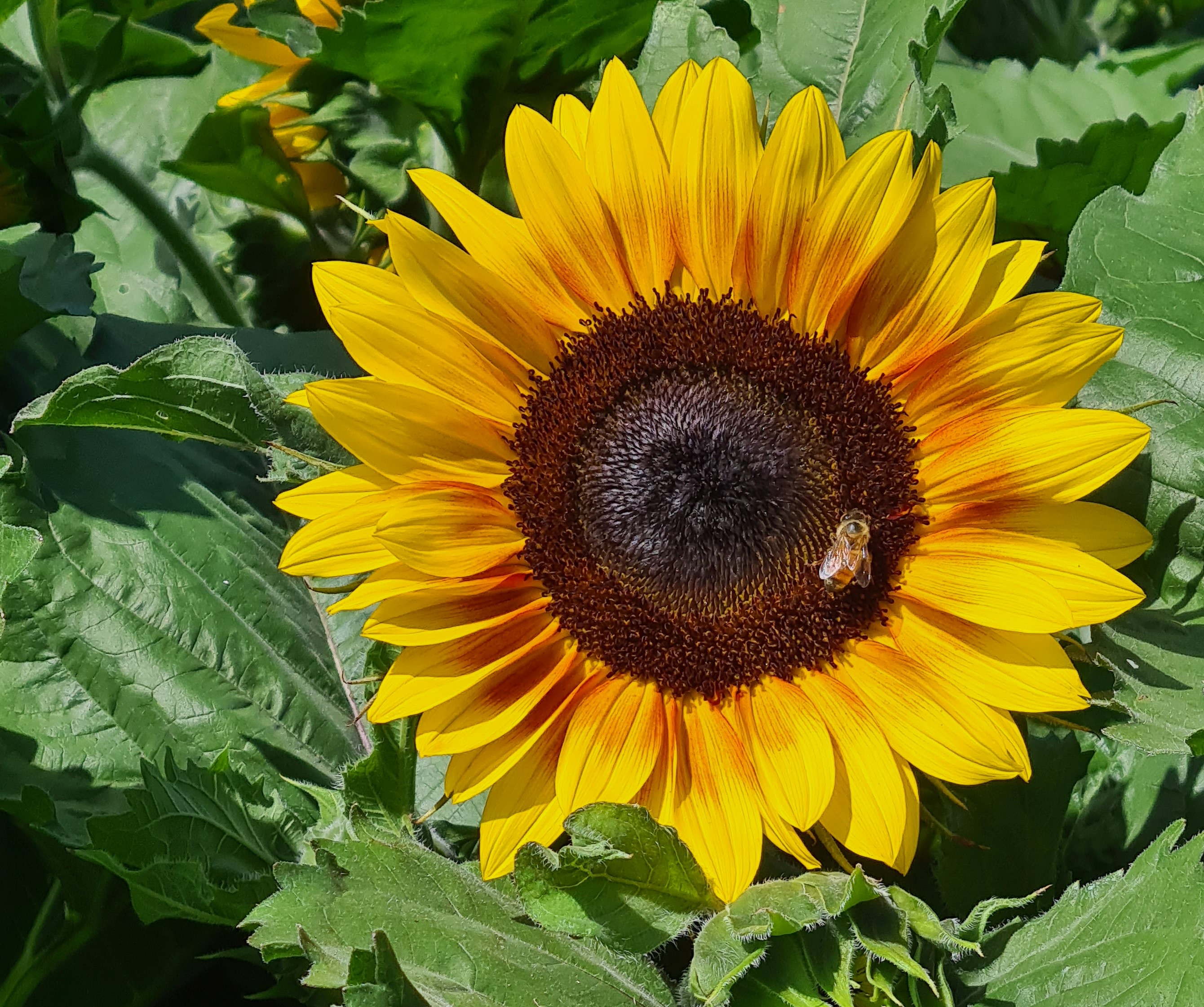
 Hello everyone, ciao tutti! Wishing you all a very happy Christmas and new year! Thank you for joining me here this past year. 💛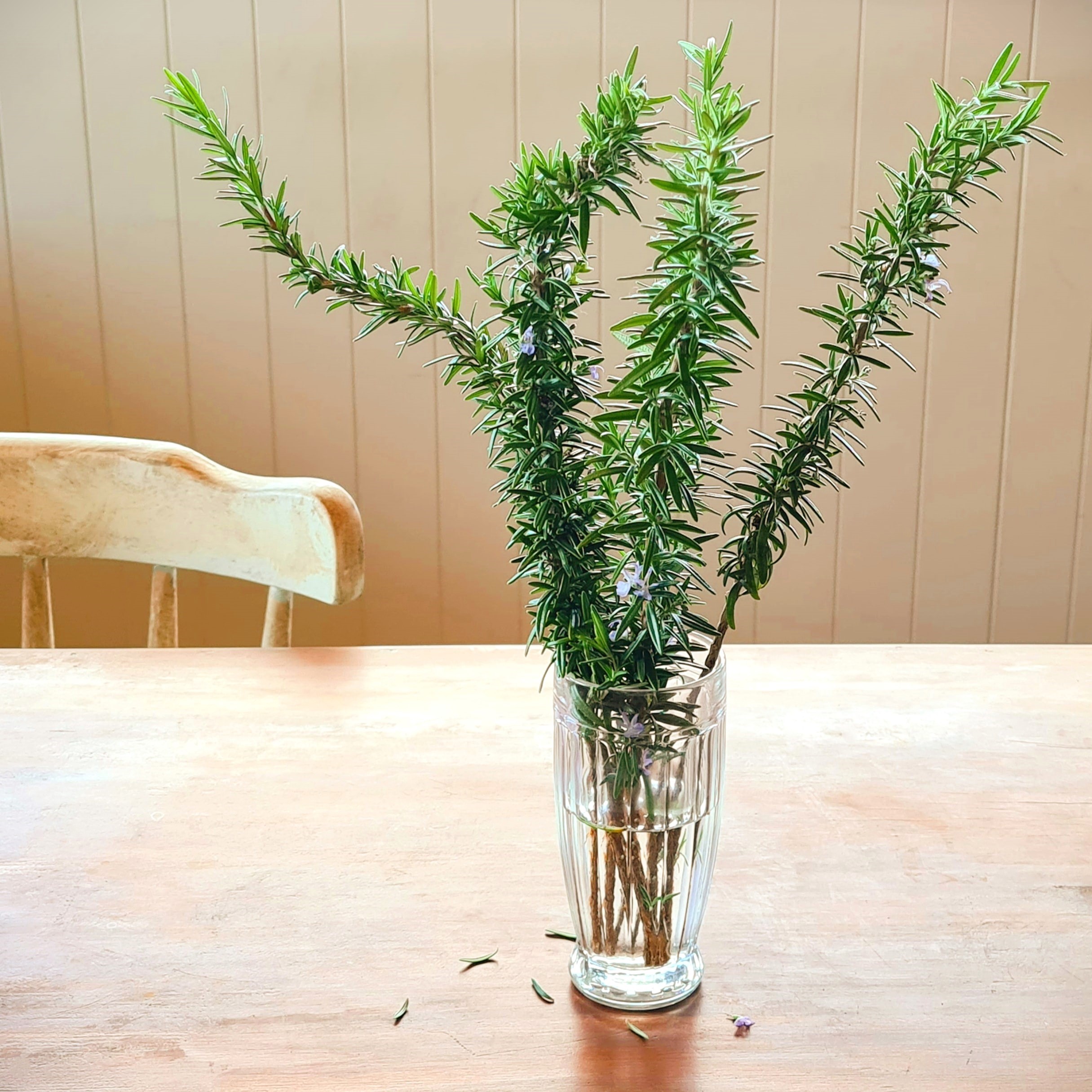
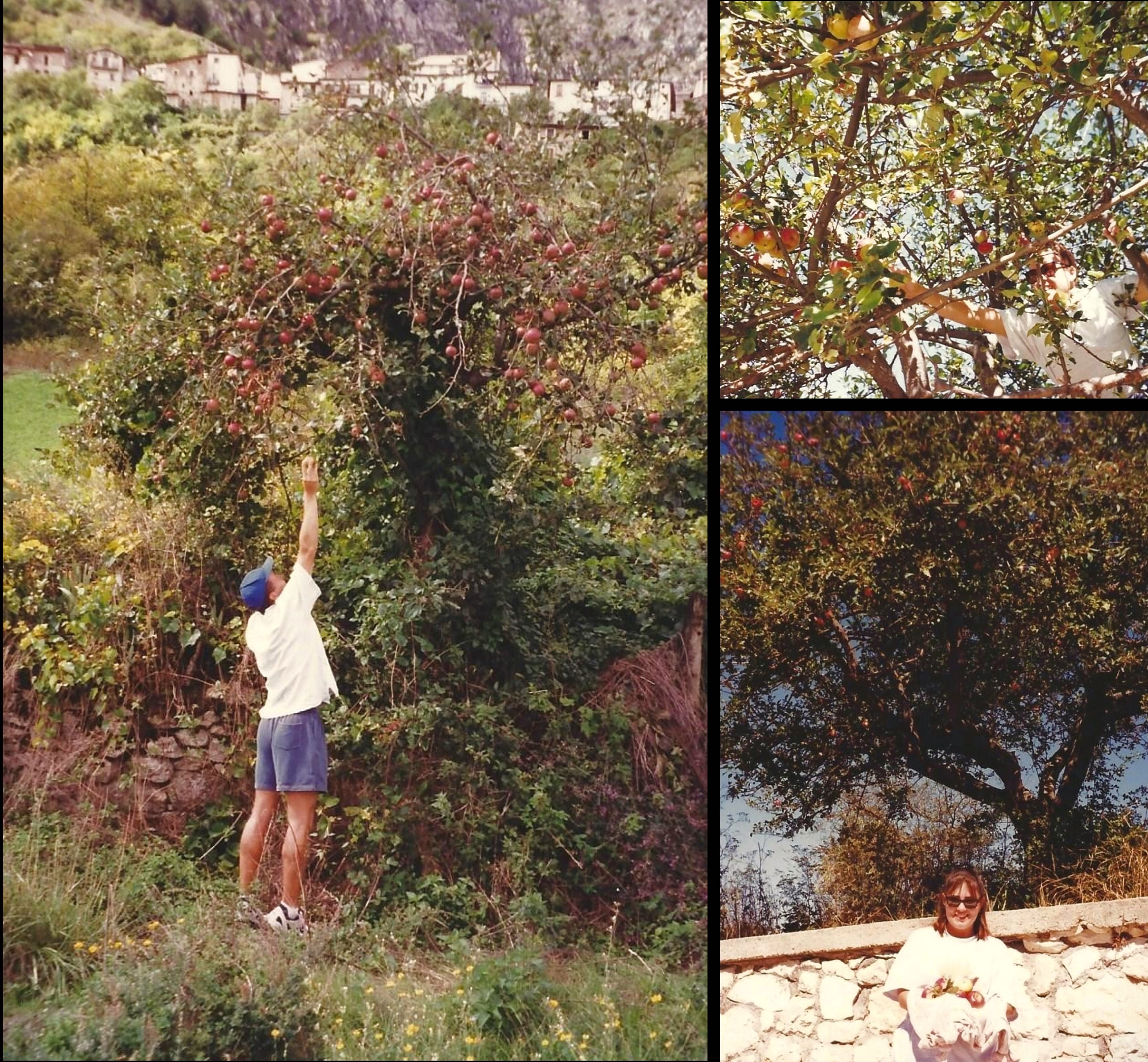

 I’ve been ‘hunkered down’ working on the next book but so you still know I’m here, 😊 I thought I’d delve into the old photo box to see what might be nice to share and this one caught my eye. Mainly because of the wattage in Nanna Francesca’s smile. She looks so happy!
 On the kitchen table today… poppies! I happened to see these when I was getting groceries and couldn’t resist picking up a bunch. At once they made me think of being in Abruzzo in spring and seeing the hillsides covered in these flowers growing wild.
 Such stunning skies this time of year when the seasons overlap… these ripples of undulating cloud said to portent that – change is on the way. Known to many as ‘mackerel skies’ for their pattern like mackerel skin, in Italy they’re called pecorelle, little sheep, or cielo a pecorelle, ‘sheep sky’. (In The Proxy Bride, when they’re looking at the clouds, Nonna Gia says that Italian saying, Nuvole a pecorelle, pioggia a catinelle.)
 Would you book a trip with this travel guide?! 😄 It’s the 1970s, I’m about six, tooth missing and have been raiding the ‘dress up box’ again. (Dad had these posters for his Italian night class he taught.) Who’d have thought I’d end up in Calabria myself one day seeing Nanna Francesca’s birth town or that I’d even write about it.
 A photo taken with Nanna Francesca at my first big Italian wedding in the 1970s. (The reception venue of the day complete with champagne glass tower, doves, smoke machine and parquetry dance floor to slide across later on!)
 “Ricordo del 26 July 1950 sulla spiaggia di Palmi – Memory of 26 July 1950 on the beach of Palmi…”
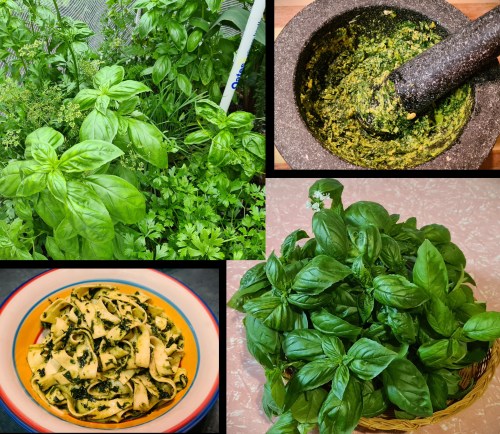 Left to themselves, the basil and parsley I planted when summer began have been relishing the rain and heat and are on a rampage to take over the vegie patch in the backyard. No fertiliser or pesticides, just tucked under the protection of netting propped up by an old mop handle (a nod to Nonno Anni!)


 Tonight is Epiphany Eve and in Italy many children will be waiting to see what they receive from La Befana, ‘the witch’ – sweets if they’ve been good, coal if they’ve been naughty. As I wrote in, Mezza Italiana, I was chosen as La Befana for my school play, being ‘an Italian kid’, and as you can see from the first photo, I wasn’t too thrilled about it! 😄 Although, I’d warmed up to the idea by the second photo when I got to climb through a window. (As you can also see, being summer, I’m already a bit burnt from swimming at the local pool!)
 On the kitchen table today… olive twigs from the backyard. I planted this olive tree as a sapling with Nonno Anni, almost twenty years ago now, one March on San Giuseppe day (Italian Father’s day), and it’s stayed a lovely connection to him and, of course, Italy. That said, it’s never given one single olive in Brisbane’s subtropical humidity 😄 but it seems happy and its leaves are a beautiful pale green. (With many health benefits too – I’ve discovered a sprig of olive leaves can be added to soups, stews and even to the water used to boil pasta! Might give it a go and see.)
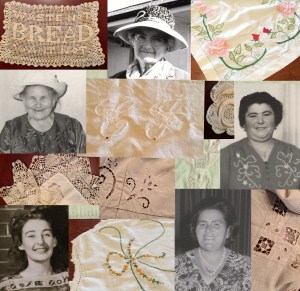 I never expected to end up with a collection of linens that span four generations of women on both sides of my family. Especially since, as a teenager, I’d hope for the latest record for my birthday only to be disappointed when Nanna Francesca gave me tablecloths ‘for my Glory box’. Again. For years these sat unused along with the tea towels, doilies and other items I also had no interest in then.
 In recent weeks, I’ve had some unexpected serious health news with a bit of a cancer scare. It’s all happened quite swiftly and following numerous tests, I’ve had abdominal surgery, been in hospital and am now back at home in what I’m told will be a six-week recovery. I’m extremely relieved and grateful to say that it was caught in time, I am in the clear and recovering well so far.
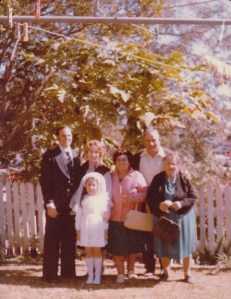 This old photo is pretty faded and scratched but the main reason I chose to share it with you on Mother’s Day is that it’s a rare one showing together in a row three generations of women in my family who were mothers to me – Mum, Nanna Francesca and Great-Granny Maddalena.
 Also, since I mentioned in my last post that Nanna Francesca would’ve been especially happy to see, The Proxy Bride in the Australian Women’s Weekly, I thought I should mention the same might’ve been for Nonno Anni regarding a recent article about my books appearing in the Italian Australian newspapers, Il Globo and La Fiamma (full article in Italian online). I have lovely memories of him at the kitchen table often reading one of these newspapers with a morning coffee (International Roast boiled on the stove in the enamel pot, of course!)
 Today’s the day!
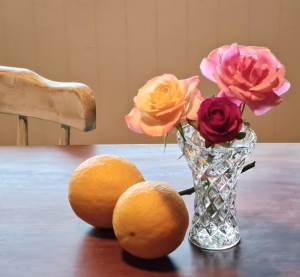 On the kitchen table today… roses and lemons from a friend’s garden. (With glorious fresh, crisp and sweet musky scents!) The vase came from Nanna Francesca’s ‘good cabinet’ and was a bonbonniere from a 1970s or 80s Italian wedding. (Some will remember those!) It’s
 Spaghetti squash… a sunny winter vegetable. It grows on a vine like pumpkin and has yellow, star-shaped blossoms that only open for one day. Love how, once tender, you can gently fork the strands from the sides to create spaghetti in its own bowl.
 Winter circles… kitchen, garden, lovely moon and of course, coffee (thanks to Roger’s barista skills!) It’s the best time for my favourite type of slow and oven cooking and the dishes pictured include (top right) ricotta gnocchi baked in the pan and (bottom left) a serpente of mushrooms and wild greens (but the snake got away on me a bit!)
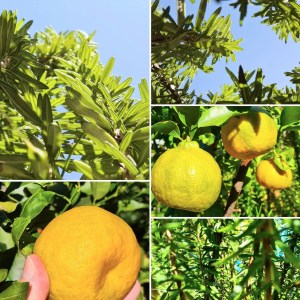 The shortest day of the year and the garden’s winter light seems crisper, a dryness to the cool air. As I get older, I realise more and more my gardening is taking on aspects of the Nonnos and Nonnas among us, as if by osmosis… checking each day, touching the plant leaves, saving seeds, happiness at seeing healthy worms in the freshly turned over soil. Perhaps one day I’ll even start planting by the moon like many Italian gardeners do, instead of plonking plants in and hoping for the best.
 It’s usually feast or famine in my garden and while I’ve always wanted to be one of those people who have lots of magnificent flowers growing, it seems they never bloom much and then move on to the next life.
  I’m so thrilled that,
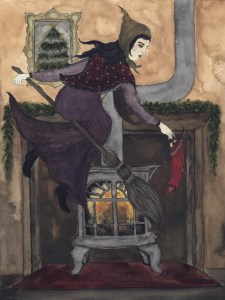
 January 6th – Epiphany and the visit of la Befana, the wise men and women and marking the end of 12 days of Christmas. Whatever your beliefs, ‘epiphany’ is a lovely word with connotations of insight, discovery and a sudden understanding of something that is very important to you.
 In another Italian tradition… after learning about Abruzzese pizze fritte – its song and secret recipe handed down from mother-to-daughter (and sometimes son), but only on New Year’s Eve – Roger and I decided to end the year by cooking these.
 Except, not knowing all of the secret recipe that contains anise and saffron, we decided to make our own version with toppings of basil pesto and crispy prosciutto, bufala di mozzarella, melanzane, tomato and basilico leaves from the garden. The fritte were also cooked in a wok and finished in the oven, which worked well, but isn’t quite traditional! Yet they were delicious and I loved thinking about their connection with Abruzzo.
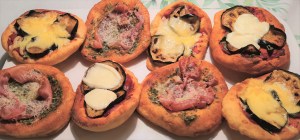 If it otherwise means not following a tradition at all because it’s too hard or the recipe is lost, perhaps it’s okay to adapt them at times. For that becomes part of our history too, all of us adapting here and there along the way over the years, while still understanding what is important overall. Tanti auguri di felicità per l’Epifania! Many wishes of happiness for Epiphany! xxx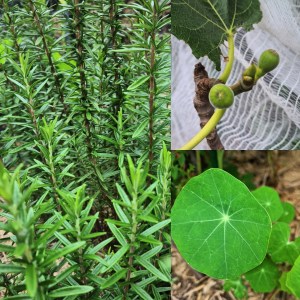
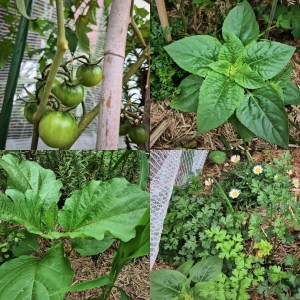 My vegie patch has been going well this spring – I’ve counted 36 tomatoes on the plants so far – and also coming along well is the corn (my first try growing it) and there’s eggplant, pumpkin, figs, plenty of pawpaws, lots of different herbs, nasturtiums, daisies and sunflowers on their way for the bees.
 Really hoping the severity of the storms forecast doesn’t eventuate so that not just the garden but people and animals stay safe too. I’ve used this fine, white netting that is best for protection from hail as well as hungry visitors. (The other netting pictured that is black with larger holes is not very effective and it’s cruel as birds and flying foxes can’t see it as well and also get caught up in it and break their wings.)
 Thank you to great-granny Maddalena who showed me about forbearance, cheekiness, growing vegetables and cooking minestrone and great-grandma Charlotte for her work ethic, kindness, growing gerberas and carnations and baking scones.
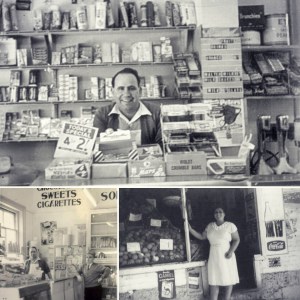 Thinking of all those volunteering and working over this time when many get to take a break. It still amazes me how my grandparents opened their milk bar and fruit shop 7 days a week from early morning ‘til late at night with only two days a year off – for 20 years straight! And then ‘scaled back’ to 5 days a week for the following years.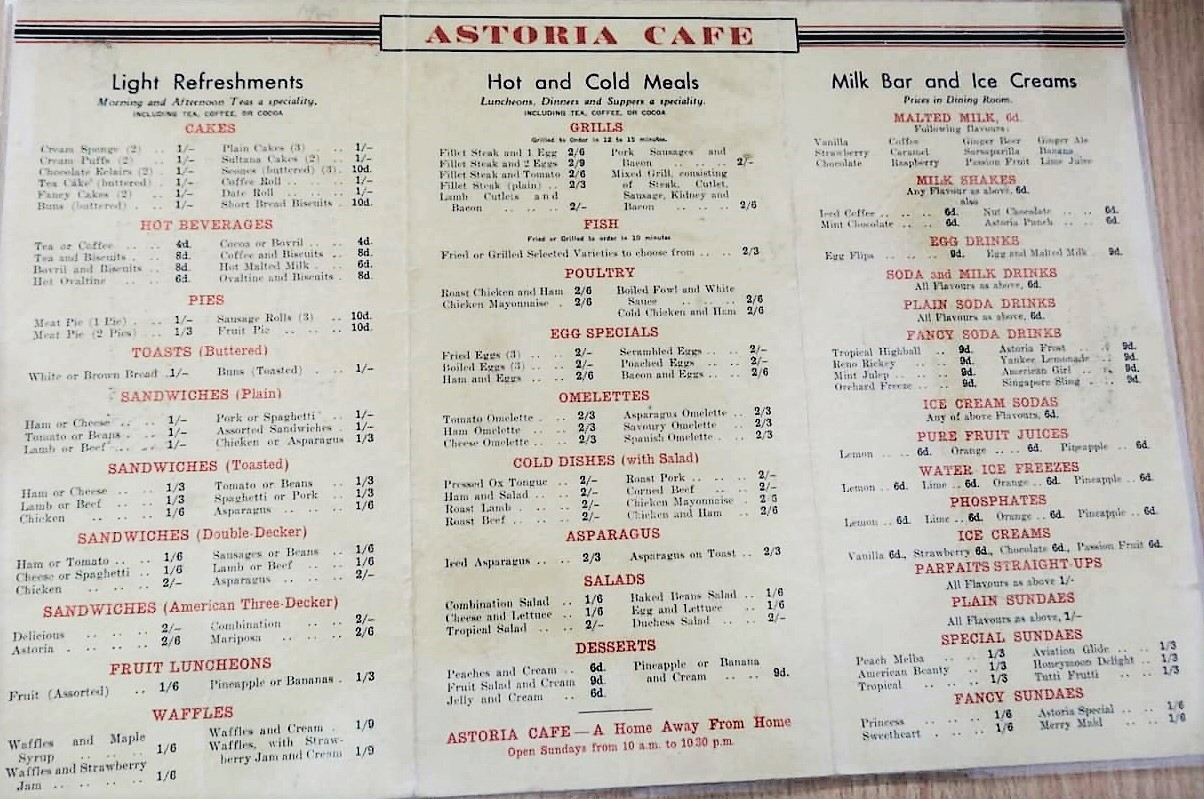


 Granny Maddalena harvesting from her vegie garden before going inside to cook for all the family. Sometimes it’s the simplest things…
 The “good” cabinet – filled with items only to be used for special guests, certainly never for family. These were Nanna Francesca’s modest, glass-fronted cabinets of hi-ball glasses, espresso cups, coffee pots and bonbonniere of figurines and sugared almonds (left) in the late 60s and (right) in the early 70s with me, Mum and Nanna Francesca (same Christmas tree).
 Joe’s Fruit Shop and Milk Bar continues each weeknight on ABC Nightlife – thank you to all who’ve sent messages upon discovering the book – lovely to hear from you!
 Came across this little bit of ‘mezza Italiana/Australiana’ at the beach on the weekend… a surf rescue boat emblazoned with the word, Arancia (orange). I realise it’s a NZ brand name but for some reason it just felt great to see this Italian word on something such a part of Australian life in beach and flood rescues.
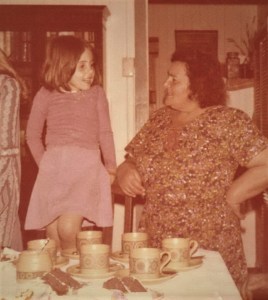 Nanna Francesca’s birth date is today, the 12th, though her birth certificate states February 19th due to its delayed lodging as her parents fought over naming her after their mothers. Tradition prevailed. She was named for her paternal Nonna in possibly the only argument won by the usually quiet, laid-back, Domenico over my grandmother’s maternal side, the indomitable Carrozza women (short, stout and strong).
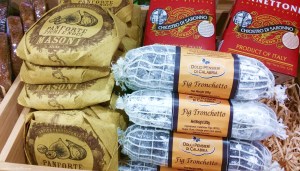 Couldn’t resist taking a quick picture of these Italian products I saw as part of a Christmas display in the general supermarket of a country town in Australia. And both northern and southern Italy represented!
 When I came across cherry tomatoes selling cheap a little while back, I couldn’t resist. This was my mini ‘tomato day’, well, couple of hours, not with all the family but just me, and not to make passata but to make ‘sun-dried’ cherry tomatoes.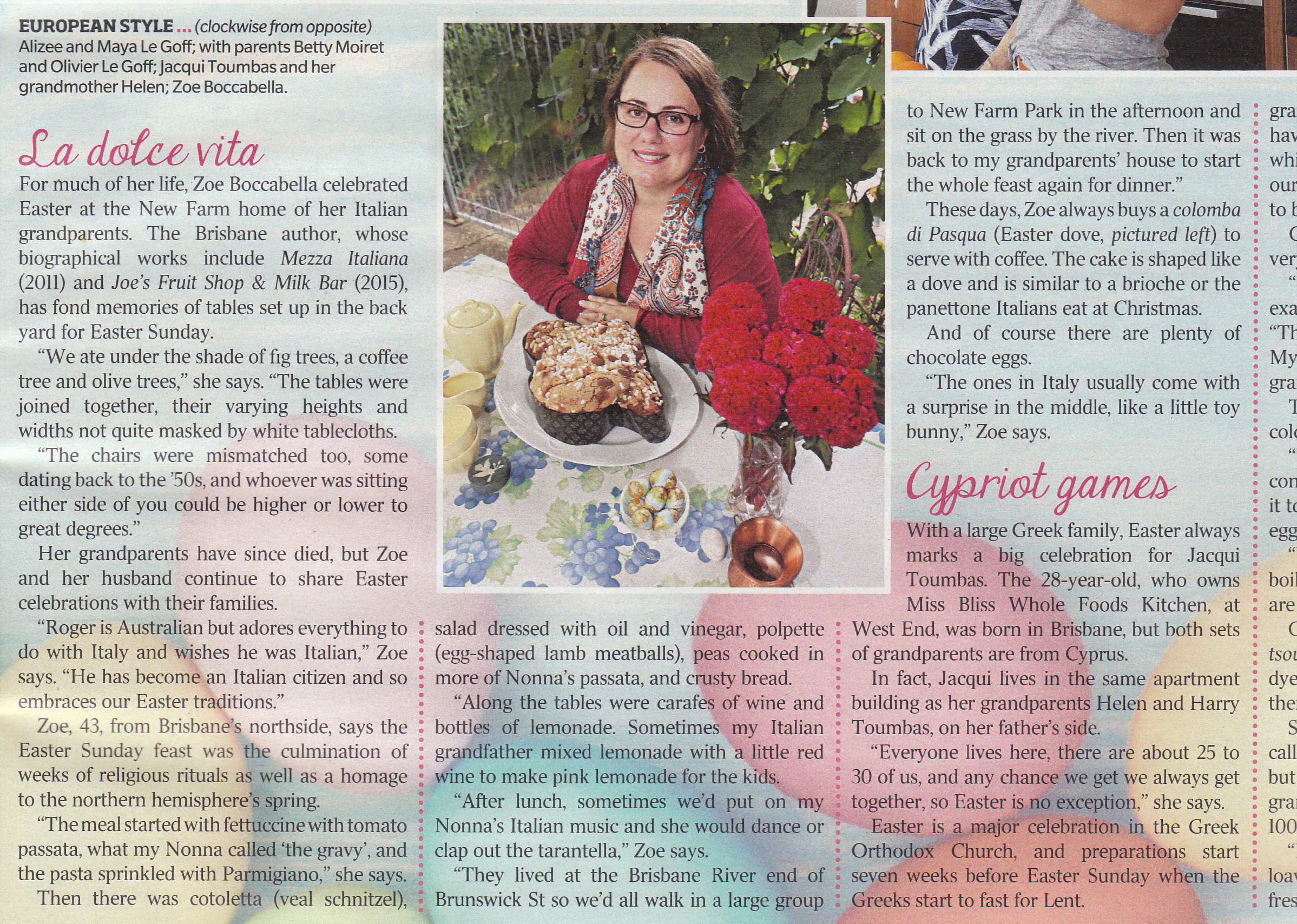
 From the Isabella vine that grows over the pergola, some of the grapes harvested this year (in one of Nanna Francesca’s salad bowls circa 1960s/70s.) Each year the grapevine yields enough to make about half a dozen bottles of wine…a modest, homemade vintage but a tiny bit of Italy in an Australian suburban backyard.
 This sign might be familiar to those who have bought a bus or lottery ticket, tobacco or, until recent years, salt in Italy. Yes, the traditional ‘Sali e Tabacchi’ or ‘Salt and Tobacco’ shop was for a long time the only place to buy salt while it remained a monopoly of the state, (a nod perhaps to ancient times when salt was worth as much as gold!)
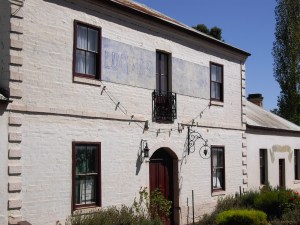 The Lucini macaroni factory (circa 1859) is said to be the oldest building in Australia built by Italian-Australians. There are 150-year-old frescoes inside that unfortunately remained hidden as it was closed the day we came by. Sitting in the main street of Hepburn Springs in Victoria, the building was also the location for Jan Sardi’s film,
 It is claimed that arancini originated in Sicily as far back as the 10th century. The balls of rice with various fillings are shaped, crumbed and fried, resembling an orange – the Italian for orange being arancia. (Rice cooked the day before and cooled in the fridge works best.) In Messina, they can be more cone shaped, while in Naples they are pall’e riso (rice balls) apparently. I think ours (made 11 centuries later in Australia!) ended up being influenced a little by both cities.
 The Maremma Sheepdog is indigenous to central Italy, particularly Abruzzo and the Maremma area in Tuscany and Lazio, and has been used for centuries by Italian shepherds to guard sheep from wolves.
 Next step in the coffee process – the beans (or seeds) from inside the coffee cherries have been washed and are now drying.
 Autumn means chestnuts, castagne and I always think of my Italian grandfather, Nonno Anni whenever we roast them. In the Abruzzo in the 1930s, Nonno Anni harvested chestnuts beneath Gran Sasso, later taking them to turn to flour at the stone mill with the wooden water wheel on the canal below his village of Fossa.

 Zoë Boccabella