
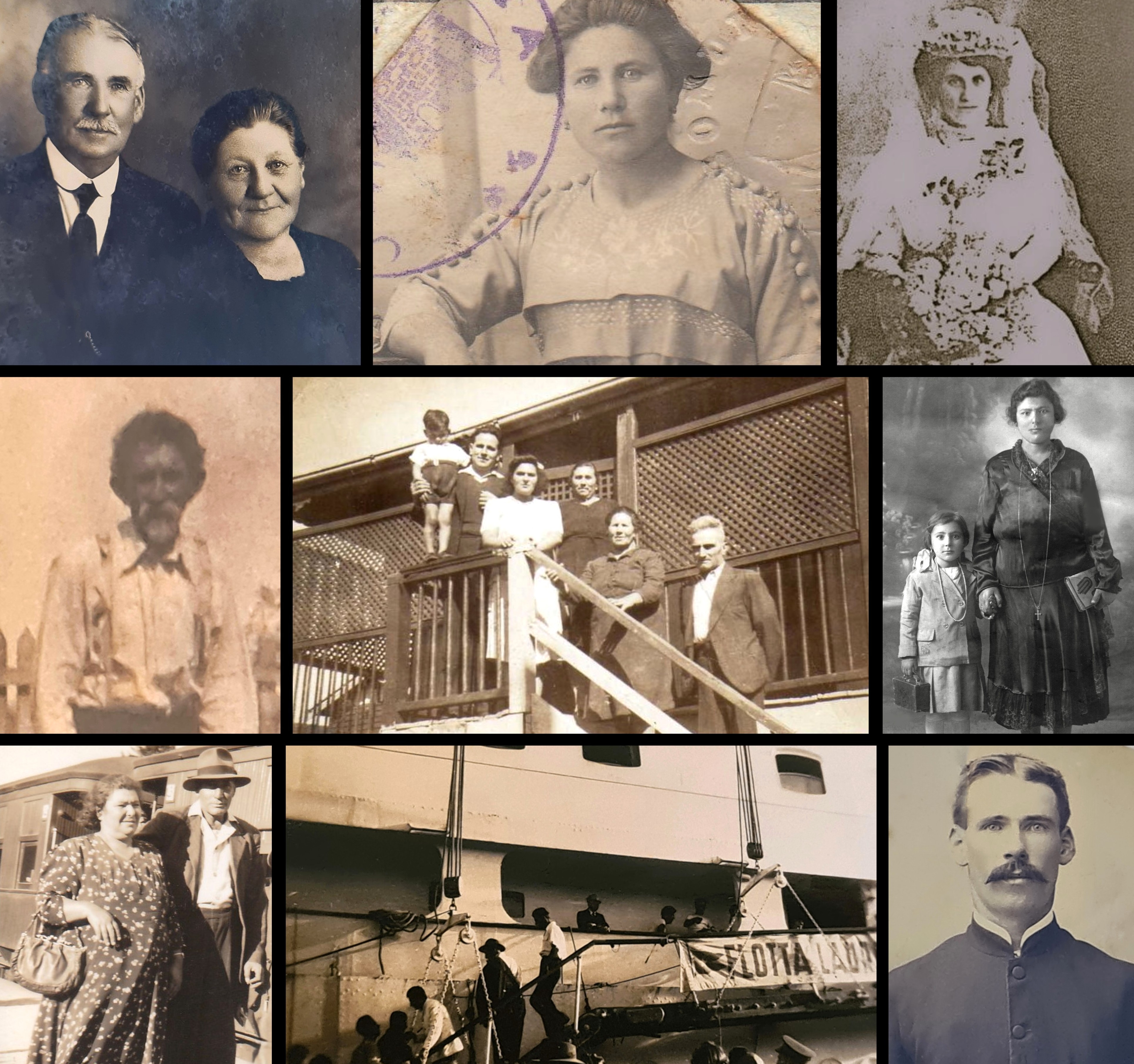
 Whether it be from my past books or as I continue learning of and writing new stories for the next book, one thing that keeps showing itself over and again is that migration has many stories and different faces, even just in my own family –
William and Katherine, he from Ireland, her background, German who met in Australia and married in 1893, ahead of their time for cross-cultural marriages. The two Francescas, mother and daughter, leaving southern Italy to join Domenico in Australia, father and daughter strangers at first. Fred and Charlotte who took a chance leaving England for Australia’s ‘sunshine’. Vitale and Maddalena, kept apart for years by war and poverty. Wilhelm and Friederike who endured a terrible ship journey, Annibale who travelled across the world alone aged fifteen…
Between 1854 and 1948 they came to Australia, all from poor, hardworking backgrounds – farmers, labourers, vinedressers, coal miners. All had to leave behind loved ones, never to see them again. Some were sought out and persuaded to leave by Australian migration agents. Others were told by parents to go, or did of their own volition, all prepared to work hard to break from crippling poverty.
They did their best to make the most of this new opportunity and worked long hours, made new friends, created new homes, even learnt new languages. They stayed for the rest of their lives, were loyal to Australia, fought in wars for it, even despite the resistance shown by some to their different sounding names, accents or cooking.
And the thing is, it’s possible to love two countries in the same way it’s possible to love two parents, or more than one family member, or friend. It’s an honour to come from people who took calculated risks, were hard workers, who showed strength and compassion having gone through trying times and sacrifice, who showed true courage and resilience. Each face, each story might be inherently different, yet in many ways they are also the same. ❤️
 Nanna Francesca with my dad (far left) and other residents at 157 Leichhardt Street, Spring Hill, inner-city Brisbane. For several years, one of the flats here was my grandparents’ home when they first started their fruit shop and milk bar. ‘Stonehenge’ – with its flats and serviced rooms where so many migrants, especially Italians, stayed ‘when they first got off the boat from Italy’.
 It’s fifty years this year since Nanna Francesca and Nonno Anni took their ‘big trip’ overseas. And what a trip it was – to several countries in Europe and the UK as well as America. It was also the first holiday they treated themselves to after decades working in their fruit shop and milk bar every day from 7am until 10 or 11pm, with only Easter and Christmas days off.
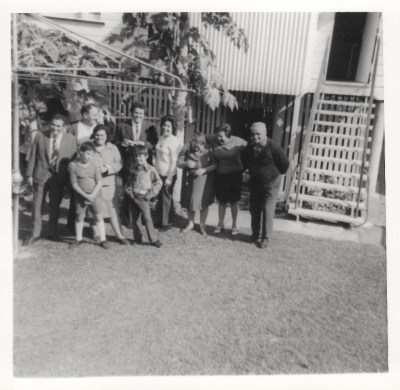 There’s so much I love about this photograph taken in the Brisbane backyard of Granny Maddalena and Nonno Vitale’s house… everyone under the Hills hoist, Granny bending over giggling, the woman’s arm around her. Nonno Anni looking over to see what they’re laughing at, Nanna Francesca always ready for the camera, holding the young boy who doesn’t look so keen to be in the photo.
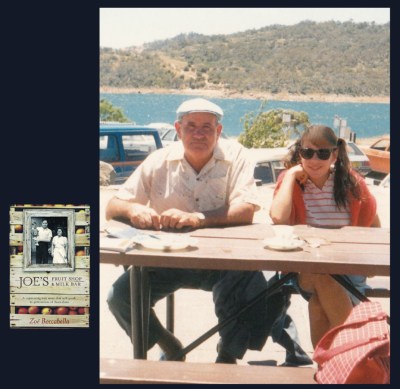 It was actually Nonno Anni who originally gave me the idea for, The Proxy Bride. When I was talking to him about his life for Joe’s, he mentioned by chance that during WW2 when he and other Italian men were taken from farms around Stanthorpe and sent to internment camps, the women and children suddenly left alone did it very tough. He later heard they were given no assistance and with curfews and restrictions weren’t allowed to drive, many didn’t know how to use the farm equipment or ride a horse and faced poverty and starvation. He mentioned this group of women who banded together to keep their farms going. That really struck me and I felt I’d come back and write about it. When I learnt that some of these women were also proxy brides, it opened up more to the story.
 Today’s the day!


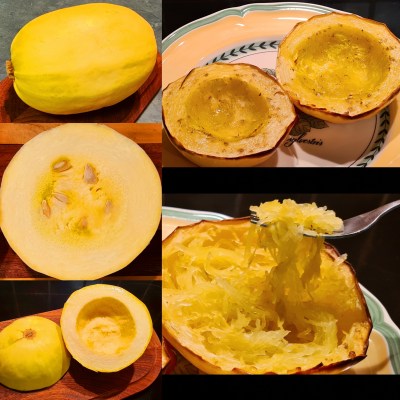 Spaghetti squash… a sunny winter vegetable. It grows on a vine like pumpkin and has yellow, star-shaped blossoms that only open for one day. Love how, once tender, you can gently fork the strands from the sides to create spaghetti in its own bowl.
 “In 1939, Giacinta sets sail from Italy to Australia. Decades later, a granddaughter discovers the true story of her family… A stunningly crafted novel of family, secrets and facing adversity.
 A post script – there were too many little incidents to include them all in,
  Perhaps I was a bit too sentimental in my previous post, (I can be at the best of times!) It might’ve been because Wyandra Street features so strongly in my family history and now, little remains of how the area once was and another bit will soon vanish. But I accept life keeps going on, change happens and so it is. In the meantime, we connect and live on in our stories and I feel very blessed to be able to share these stories with you and to hear yours in return. Gentile auguri! Zoe xx
 I planted these in the vegie patch to attract bees yet the flowers have taken me straight back to the daisy bushes Nanna Francesca grew in her front garden. She often had us stand in front of those daisy bushes for photos and from the 1950s on, we have decades of family photos taken with the daisies. (I’m guessing I’m not the only one who has old photos taken in front of a certain plant or tree in a family garden over the years!) While those daisies are long gone now, I love how daisies will forever remind me of Nanna Francesca. (I also couldn’t resist including the photo of Bisnonno Vitale watering their front garden back when three generations of the family all lived in the house on Brunswick Street.)
 I’m so thrilled that,
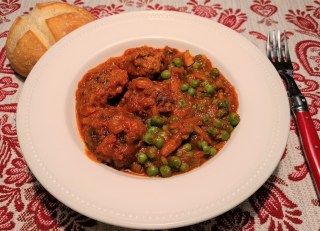
 Polpette and peas in gravy, such an ‘Australitaliano’ combination – meatballs and peas in tomato sauce. Comfort food at its best. Nanna Francesca cooked this a lot (and when I was a kid, I found it a bit confusing that, being southern Italian, she called the tomato passata or sugo – ‘gravy’ considering my Australian Mum called gravy a deep-brown liquid accompanying a roast). Nanna Francesca would’ve been 95 today so it seems fitting to cook her polpette e piselli in gravy. We always celebrated her birthday on the 12th, the day she was born though the official date on her birth certificate was the 19th (lodged late as her parents argued who to name her after). Tradition won, as did her father, and being the first-born, Francesca was named after her paternal grandmother.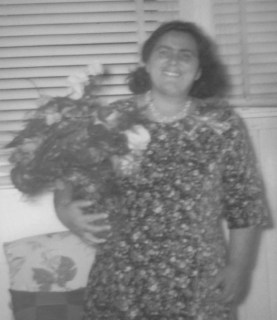
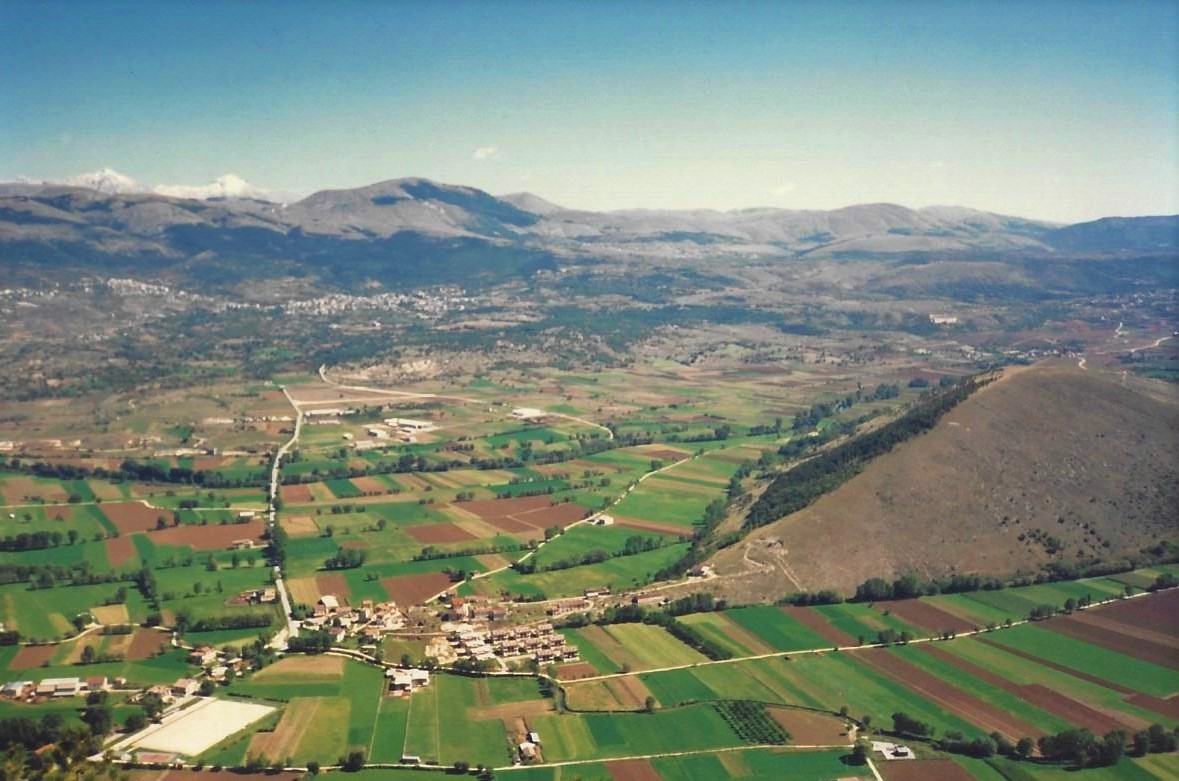
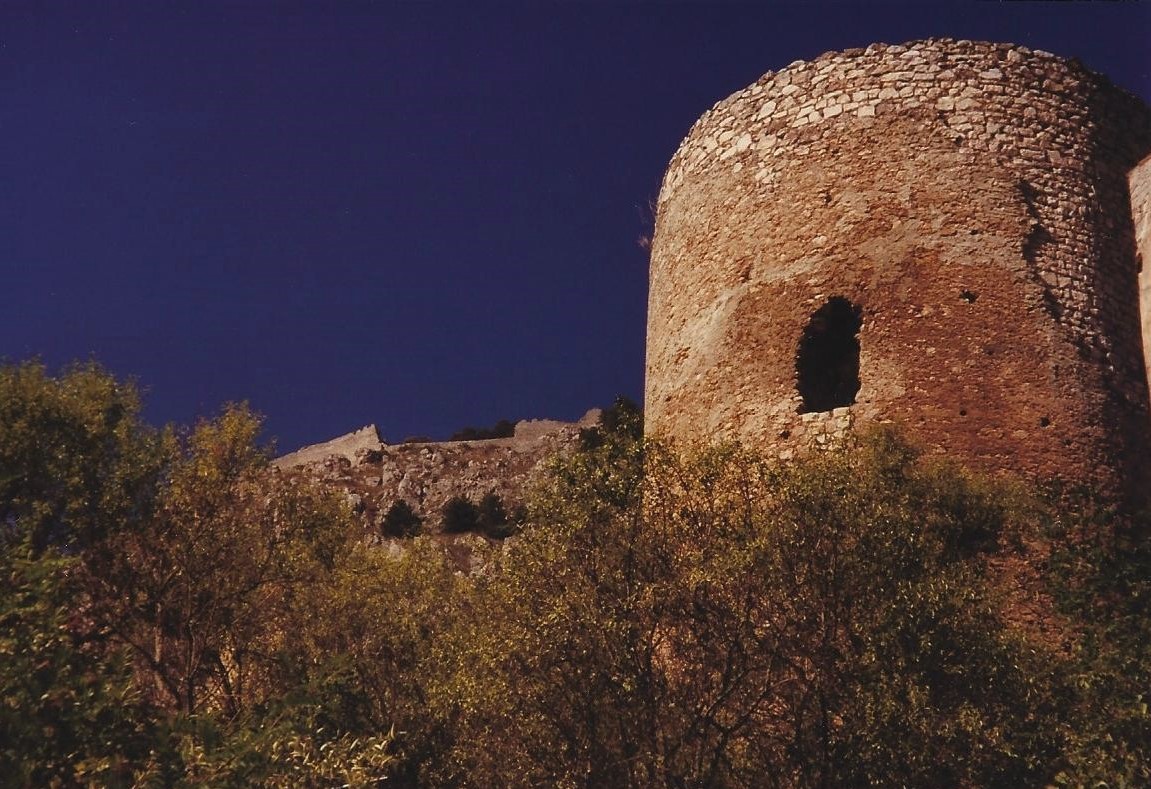

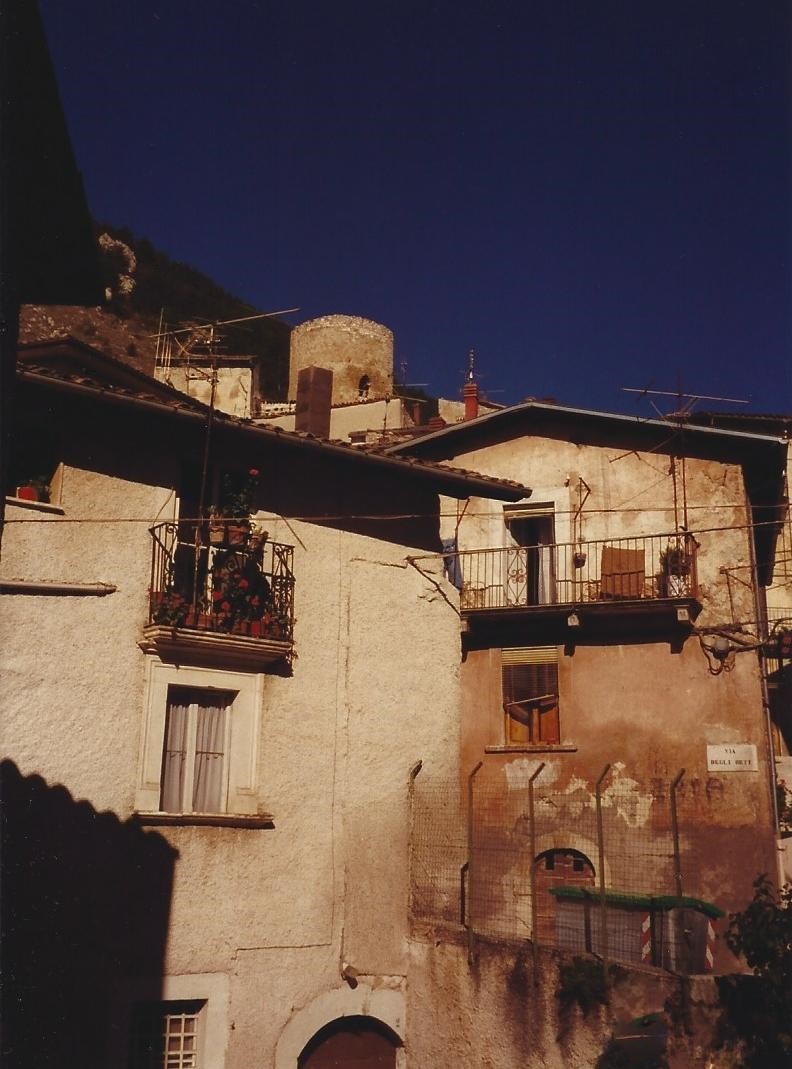
 Still, it’s lovely to look back, especially to see Nanna Francesca and Nonno Anni next to me on the front steps the day I arrived as well as beautiful Fossa when there was no hint of the earthquake to come more than a decade later. And I still can’t get over the rich blueness of the sky some days up there in the Apennine Mountains! No filters or tricks on these photos, just nature at its most exquisite. Thank you for taking the Mezza Italiana journey with me and for sharing your stories too. Grazie infinite cari amici! Zoe xx

 “On Boxing Day, Annibale, Francesca and the others loaded the back of the Chevrolet with cold drinks, some roast chickens and a couple of large watermelons. After several years of keeping the fruit shop and milk bar open almost every day, Annibale had decided they’d close for a couple of days over Christmas and the family would head to the beach for the day…
 Nonno Anni told me when he received an orange for Christmas during his childhood in the 1920s, he treasured it. I knew he and his Mum were poor and village life in Italy was hard at that time, especially with his father far away in Australia to seek work, but an orange… I couldn’t quite believe it when I found this out as a child in the 1970s and oranges were so easy to get then. But fresh oranges were considered treasures before refrigeration and faster transport. Especially at Christmas considering that since ancient times, oranges have been said to bring joy, good luck and to ward off evil. (What must Nonno Anni have thought once he had a whole display of oranges at his fruit shop and milk bar!)
 If I’m honest, Christmas isn’t always the easiest time for me as it feels bittersweet with the happiness of those present mingled with the quiet of those unable to be or now gone. But food is so special in that certain dishes can trigger those lovely memories of people dear to us no matter how long it may be since we’ve seen them and this year, I feel happy that oranges can bring that little bit of sunshine.
 Warmest wishes and thank you for your lovely support and messages throughout the year. May 2020 be filled with light and some happiness no matter what else it may bring! Wishing you tante belle cose – many beautiful things, Zoe xx
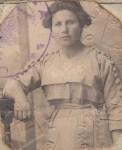
 I never usually know what ‘international day’ it is but happened to see that today it’s in honour of rural women, so thought I’d share with you this rare photo of my great-grandmother taken of her alone.
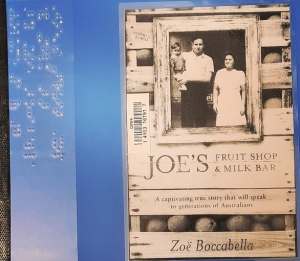
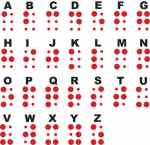
 So pleased I can share with you that Mezza Italiana is going to be broadcast on ABC radio’s, Nightlife from early December and into January. The audio book is voiced by actor and voice-over artist, Marcella Russo, who was fantastic to work with. I also recently found out that, Joe’s Fruit Shop and Milk Bar is to be translated into braille, which is a wonderful surprise. A few years back, I had the opportunity to do a literary talk at a luncheon at NSW Parliament House to support the Royal Institute for Deaf and Blind Children and I’m really thrilled that this translation has come about.
 In other book news I’m gradually coming toward the end of what has been a massive project of writing two books back-to-back including a lot of research over the past few years. I’m not yet sure what effect the current pandemic situation is going to have on this and to be honest it does feel a bit overwhelming and uncertain to be in the arts at present, but when the time comes that I have more news I can share with you, I will do so straightaway! In the meantime, I hope you are well, especially those who have been enduring longer lockdowns than others. My heart and thoughts stay with you and am wishing you hope, more fortitude and some light in your day, even if it is something as small and special as a bird popping by the window. In bocca al lupo. Zoe xx
 Thinking of all those volunteering and working over this time when many get to take a break. It still amazes me how my grandparents opened their milk bar and fruit shop 7 days a week from early morning ‘til late at night with only two days a year off – for 20 years straight! And then ‘scaled back’ to 5 days a week for the following years.
 It’s been a tough past few days for those facing bushfires and an incredible effort by people banding together to fight fires and help people and animals. The resolve and grace of those who have lost so much is extraordinary.
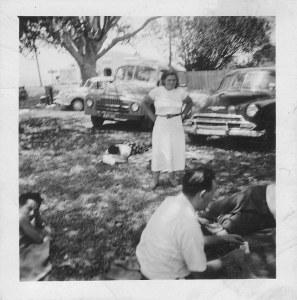 …small moments of beauty.
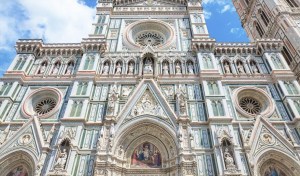 So lovely that Mezza Italiana has been picked in conjunction with Amazon US as one the best books to inspire a trip to Italy. Especially to be in the company of some great authors. Many thanks to Red Around the World. xx
 Came across this in an old, cardboard box of photographs of my grandmother’s:
 Joe’s Fruit Shop and Milk Bar continues each weeknight on ABC Nightlife – thank you to all who’ve sent messages upon discovering the book – lovely to hear from you!

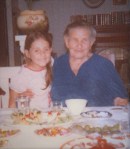
 Buon anno a tutti and warmest wishes!
 Coming up this street in Fossa always feels like being ‘almost home’ whether returning from nearby L’Aquila or a long flight from Australia. For just around the next corner is my family’s house and while it has centuries of history, to me it also has that comforting feel like coming to stay at your grandparents’ house.
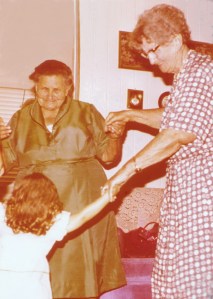 Dancing with my great-grandmothers, Maddalena and Charlotte when I was two. They were of such different Italian and English backgrounds yet had much in common in their day-to-day lives really. This is my only picture of the three of us. Apparently, from when I was very little I loved to dance and often got people up to join me!
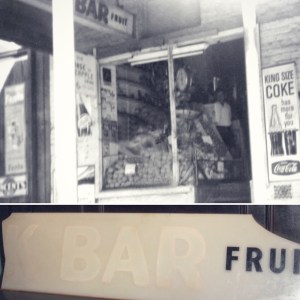 In this photograph of my family’s fruit shop and milk bar in its earlier days, it’s apparent how it began very modestly with my grandparents standing on the footpath in Ann Street selling produce from a ‘hole in the wall’ before they expanded the space to include a milk bar. Visible in the top left is some of the sign that hung over the footpath from around the early 1950s. It was white with ‘milk bar’ in red Perspex letters and lit up at night.

 Zoë Boccabella