
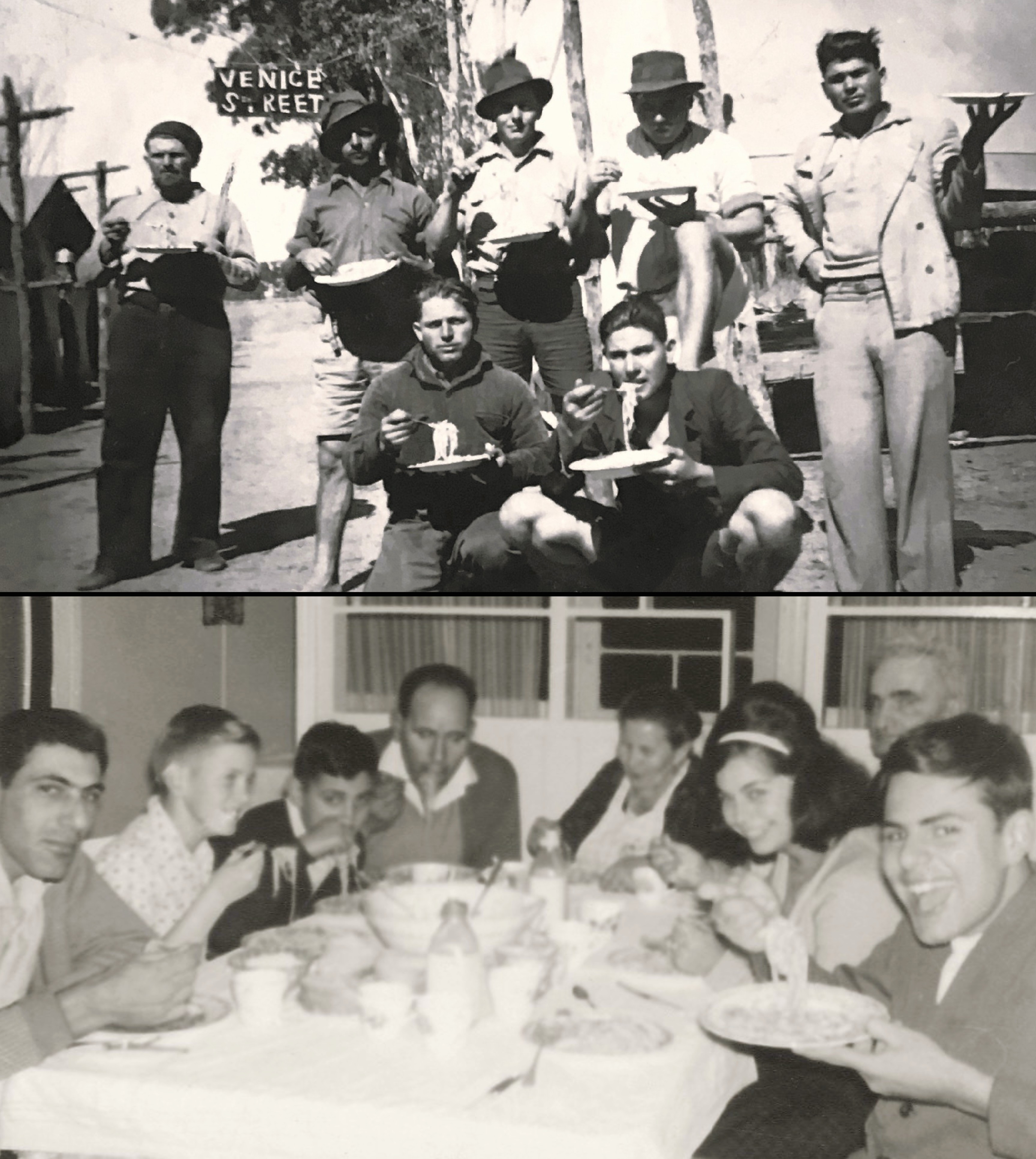
 An incredible thing happened recently… I’m working on the next book, in particular, a part of it that’s an update on the internment camp Nonno Anni was in, when out-of-the-blue, I’m contacted by someone whose father was in the same camp. (The secret camp authorities said never existed, though any of us who had family in there know that’s not true.)
For privacy, I won’t say who contacted me but I’m so grateful as she also sent me photos I’ve never seen before from inside the camp, including of ‘Venice Street’ between their tents and also of Nonno Anni!
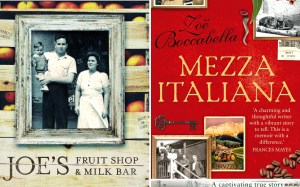
Then it struck me, here’s Nonno Anni aged nineteen, bottom right in the first photo holding up a forkful of pasta, and two decades on, there’s Dad aged nineteen, same position bottom right, also holding up pasta for a photo. (The same photo that’s on the cover of Mezza Italiana.)
What a difference twenty years after the camp made for Nonno Anni – married, a family, a house, a milk bar and fruit shop. And what a gift to discover more internment camp photos all these years after I wrote about it in, Joe’s Fruit Shop and Milk Bar. (It remains a mystery why or how photos were even taken inside the camp since by 1942 in WW2 cameras were confiscated from Italians in Australia. It seems the guards likely took them.)
Truly, the absolute best thing about writing is hearing from all of you and your own connections with these stories. Thank you. I better get back to work as I’m deep in the next book but I just had to share with you this little bit of ‘serendipity with spaghetti’. 💛
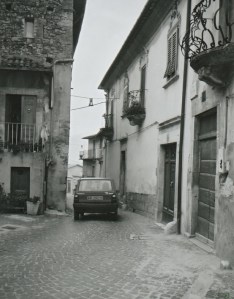
 It’s pretty quiet here at present while I work on the next book, so here’s a look back to Italy when I was in Abruzzo and wrote Mezza Italiana. The day I hung the freshly-washed sheets out on the old pulley clothesline at the house in Fossa. It’s such an iconic image in Italy, a busty woman suspended half out a window, hanging her sheets on these pulley lines. However, any romantic notions were quickly quashed!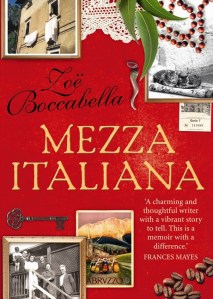

 Tonight is Epiphany Eve and in Italy many children will be waiting to see what they receive from La Befana, ‘the witch’ – sweets if they’ve been good, coal if they’ve been naughty. As I wrote in, Mezza Italiana, I was chosen as La Befana for my school play, being ‘an Italian kid’, and as you can see from the first photo, I wasn’t too thrilled about it! 😄 Although, I’d warmed up to the idea by the second photo when I got to climb through a window. (As you can also see, being summer, I’m already a bit burnt from swimming at the local pool!)
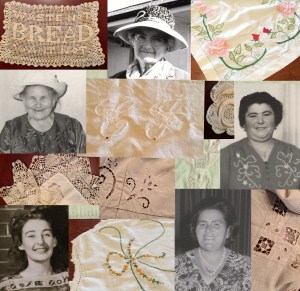 I never expected to end up with a collection of linens that span four generations of women on both sides of my family. Especially since, as a teenager, I’d hope for the latest record for my birthday only to be disappointed when Nanna Francesca gave me tablecloths ‘for my Glory box’. Again. For years these sat unused along with the tea towels, doilies and other items I also had no interest in then.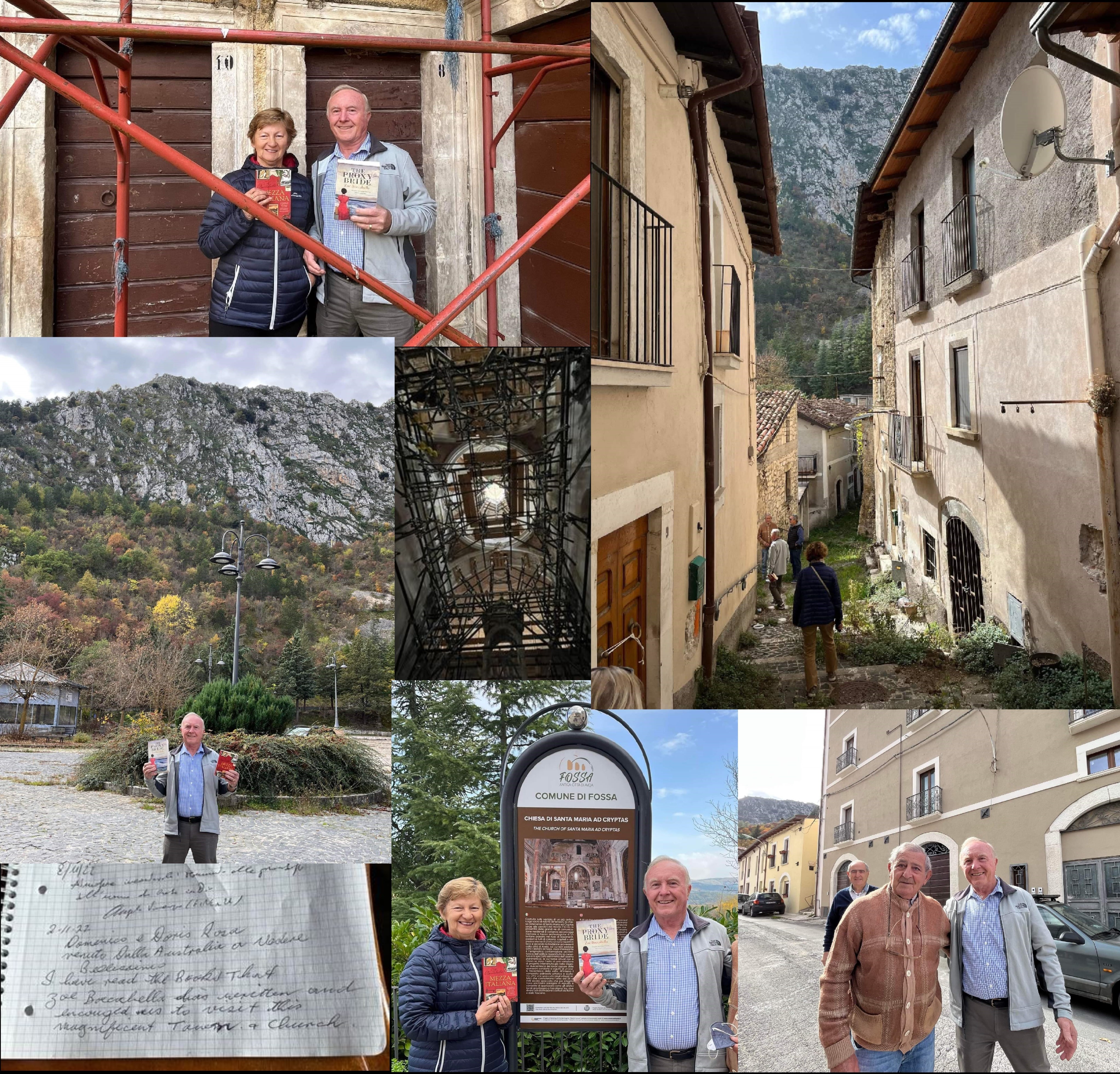
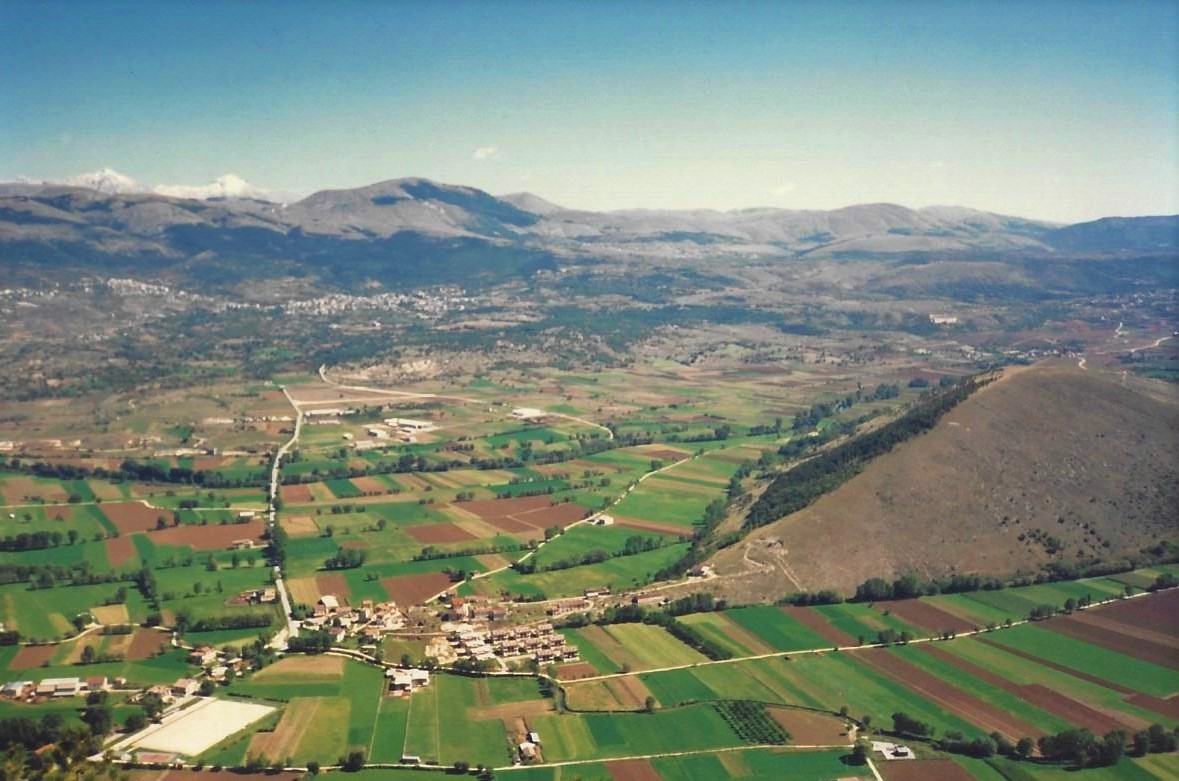
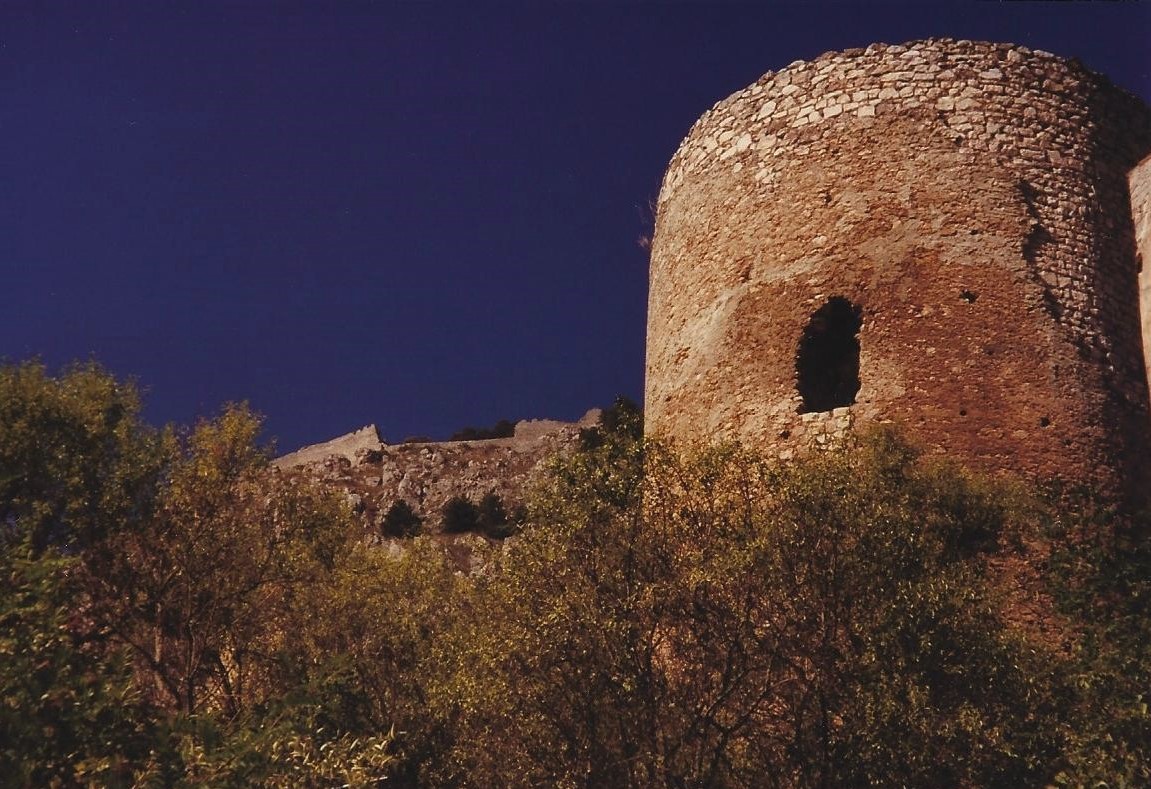

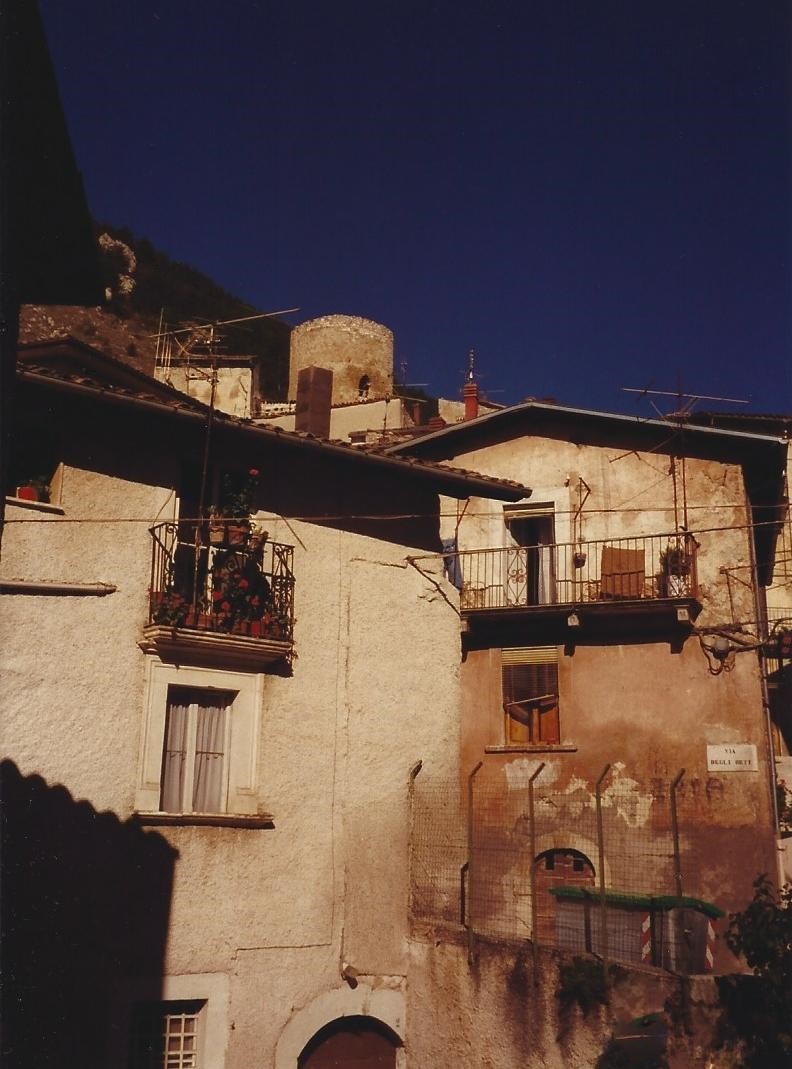
 Still, it’s lovely to look back, especially to see Nanna Francesca and Nonno Anni next to me on the front steps the day I arrived as well as beautiful Fossa when there was no hint of the earthquake to come more than a decade later. And I still can’t get over the rich blueness of the sky some days up there in the Apennine Mountains! No filters or tricks on these photos, just nature at its most exquisite. Thank you for taking the Mezza Italiana journey with me and for sharing your stories too. Grazie infinite cari amici! Zoe xx

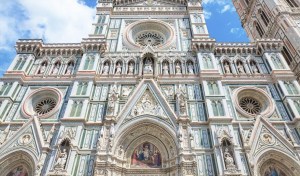 So lovely that Mezza Italiana has been picked in conjunction with Amazon US as one the best books to inspire a trip to Italy. Especially to be in the company of some great authors. Many thanks to Red Around the World. xx


 This is one of the first photographs I chose that I hoped would make the cover of Mezza Italiana (it’s on the back). Taken in the 1960s, it was dinner for my uncle’s birthday and one of the rare times the family got to eat together since one of my grandparents were usually doing a shift at their milk bar.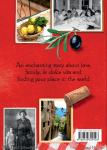

 … at around dawn while most of the village still slept.


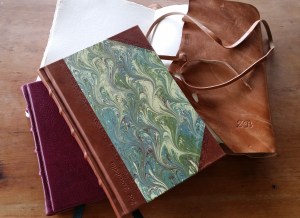 In Bendigo not long ago, I came across a bookbinding shop that is the most similar I’ve found in Australia to the one I came across in Florence (p.212 Mezza Italiana). I couldn’t resist these handmade books and the owner kindly offered to emboss my name on them.
 Time for some Italian Christmas treats… these poco zeppole {zippoli} are flavoured with citrus zest and Boronia Marsala {yes, the bottle with the little horse and cart on the label for those in the know}.
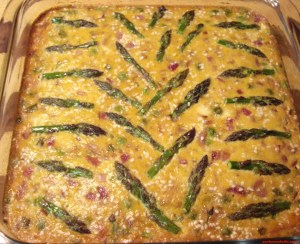 For my Great-Granny Maddalena’s frittata, the main ingredients were eggs, some salt and flat-leaf parsley. She also used a lot of olive oil (her frittata never stuck to the pan!)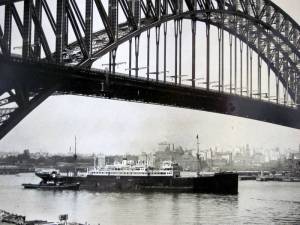
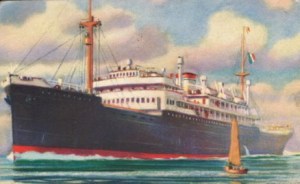 The Italian ship, ‘Remo’, which is linked to four generations of my family… my great-grandfather, Vitale arrived in Australia for the second time aboard it in 1932, my grandfather, Annibale sailed from Italy in it when he was just 15 in 1939, my father was named after it, and my nephew shares with it his second name.
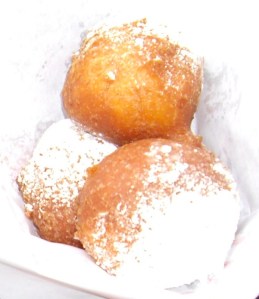 These little doughnut balls are also known as zippoli, zeppole or sfingi in Italy depending on the region where they are cooked. (I’ve also tasted the German version quarkbällchen – known too as ‘Bavarian snowballs’ – from a roadside stall not far from
  Autumn means chestnuts, castagne and I always think of my Italian grandfather, Nonno Anni whenever we roast them. In the Abruzzo in the 1930s, Nonno Anni harvested chestnuts beneath Gran Sasso, later taking them to turn to flour at the stone mill with the wooden water wheel on the canal below his village of Fossa.
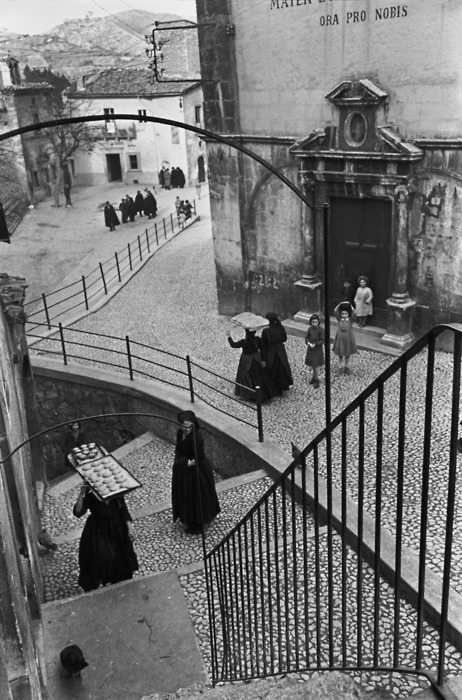 For many centuries, baking in most Italian villages took place mostly once a week or even a fortnight. Both my grandparents told me how they recalled the women of the village taking their dough to the forno (often the only oven in the entire village), and that each piece of dough had an identifying mark on it for when the women came back to collect their baked bread.

 Zoë Boccabella